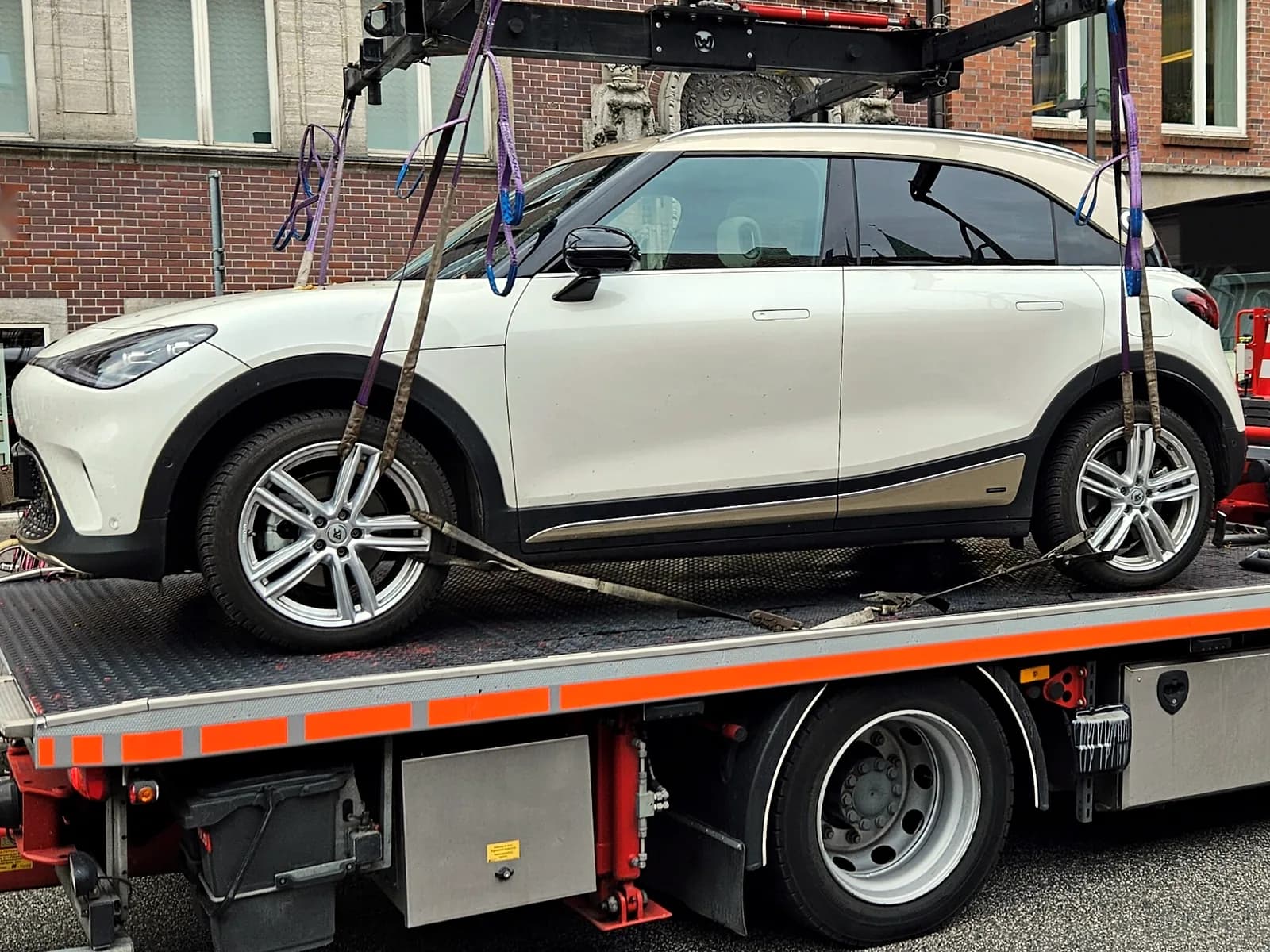
How the pouch protects a keyless key
The pouch works like a Faraday cage: a metal layer sewn into the fabric lets no signal in or out. A keyless car sends a question to the key, and the key answers. A key in the pouch does not hear that question and does not answer.
Thieves steal a keyless car in pairs: one picks up the signal of your key with a device, and the other relays it to the car. The car thinks the key is next to it, unlocks and starts. When the key is in the pouch, the thief has nothing to relay. More about keyless theft
In shops the pouch is also called a Faraday bag or an RFID pouch.
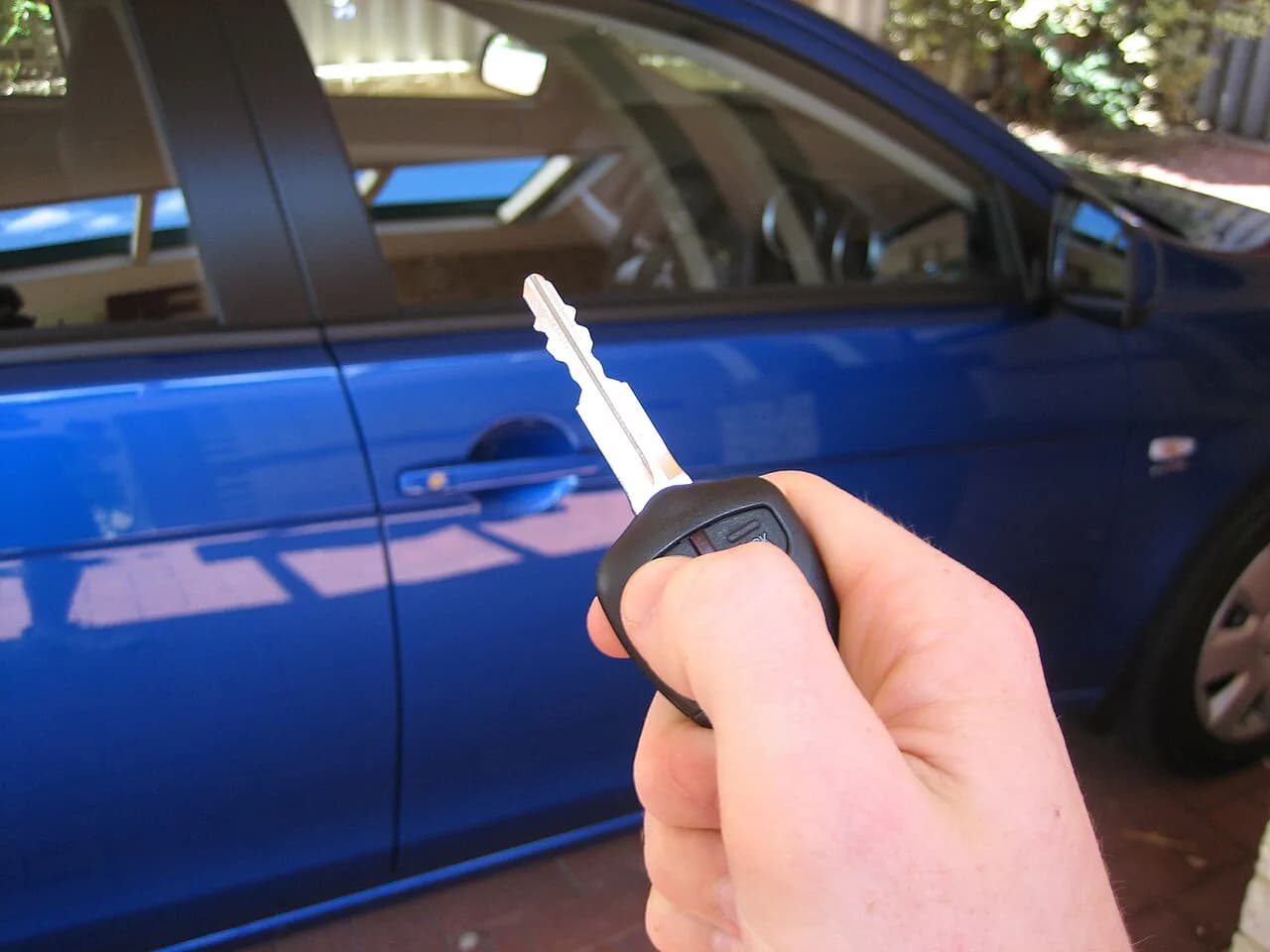
The pouch is for a keyless key. If the car unlocks when you grab the handle while the key is in your pocket, you have keyless. The same applies if the car starts with a button, without putting the key in the ignition.
How much you need a pouch depends on the key
- The car unlocks and starts while the key is in your pocket: the pouch protects the most, because without it a thief drives the whole car away.
- The car only unlocks without the key: a thief gets into the car.
In a test of about 700 keyless cars, a signal relay device opened more than 90% of them. So keep the key in the pouch whenever you are not driving, at home and away from it.
When the pouch does not protect
The pouch protects only while the key is in it and the pouch is intact. A thief still gets through in these cases:
- The key is outside the pouchThe thief picks up its signal as if there were no pouch. Take the key out only when you drive.
- The pouch is not closed all the wayThe signal gets out through the gap.
- The pouch is overfilledThe flap does not close flat, so the signal leaks.
- The key is in the outer pocket of the pouchSome pouches have a pocket without the metal layer, and the key easily ends up in it.
- The metal layer is wornThe layer wears over time, and gaps appear at the fold and the flap. The signal gets through them.
- The spare key is outside the pouchIt sends a signal too, so the thief can pick it up. All keys go in a pouch.
The thief does not need the key signal
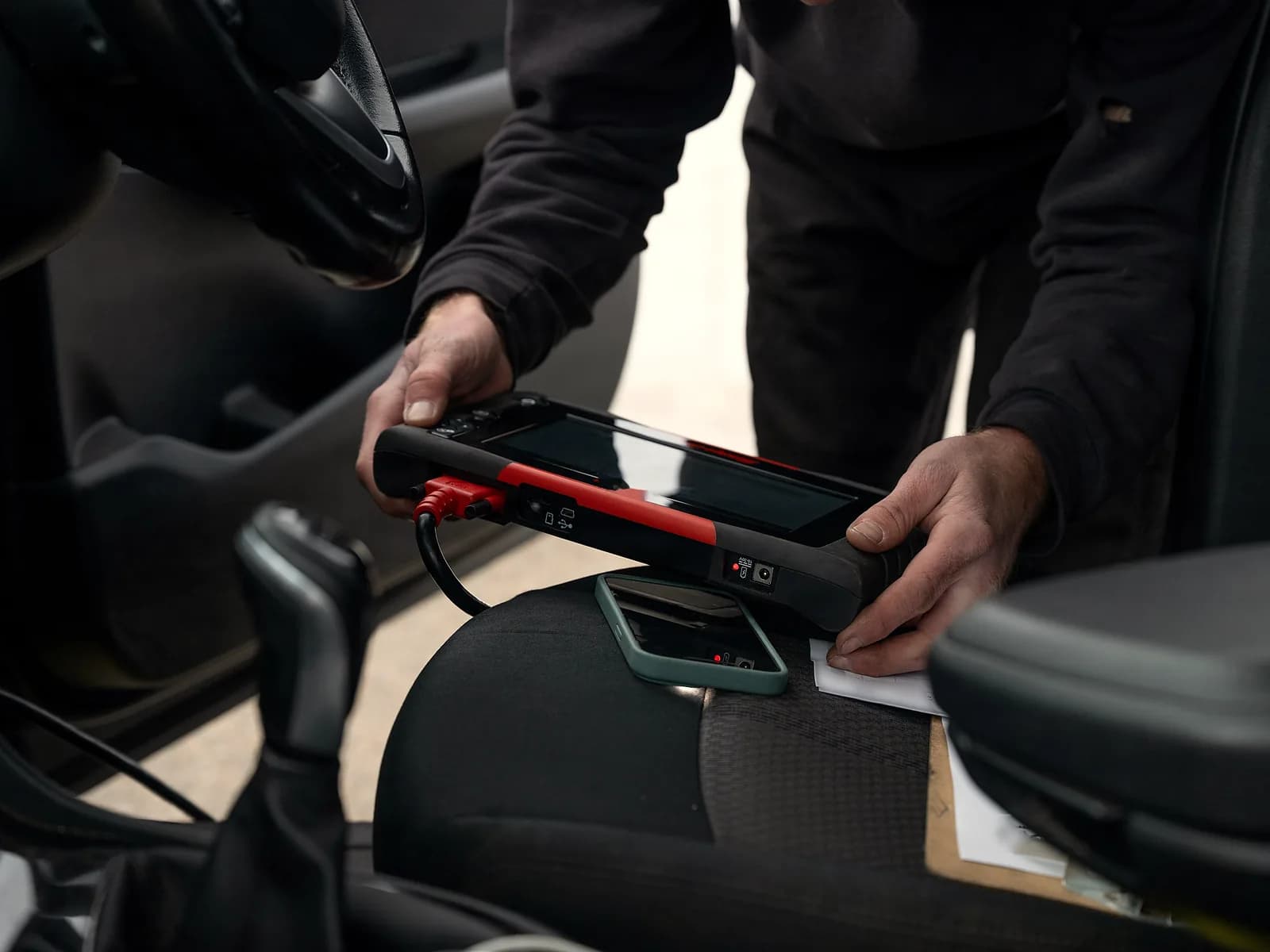
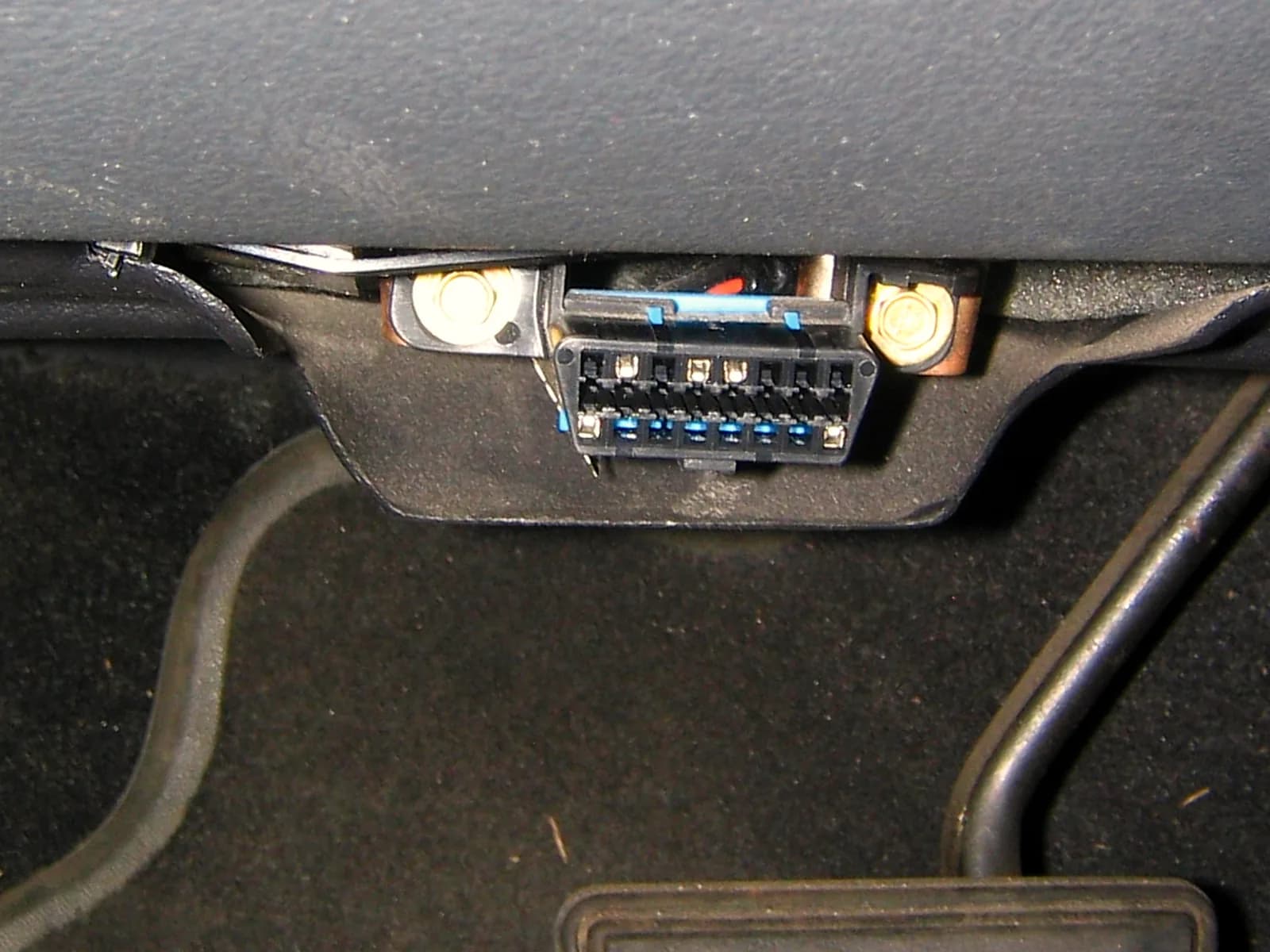 The thief makes a new key through the OBD portThen he does not need the signal of your key. OBD protection stops this. More about OBD protection
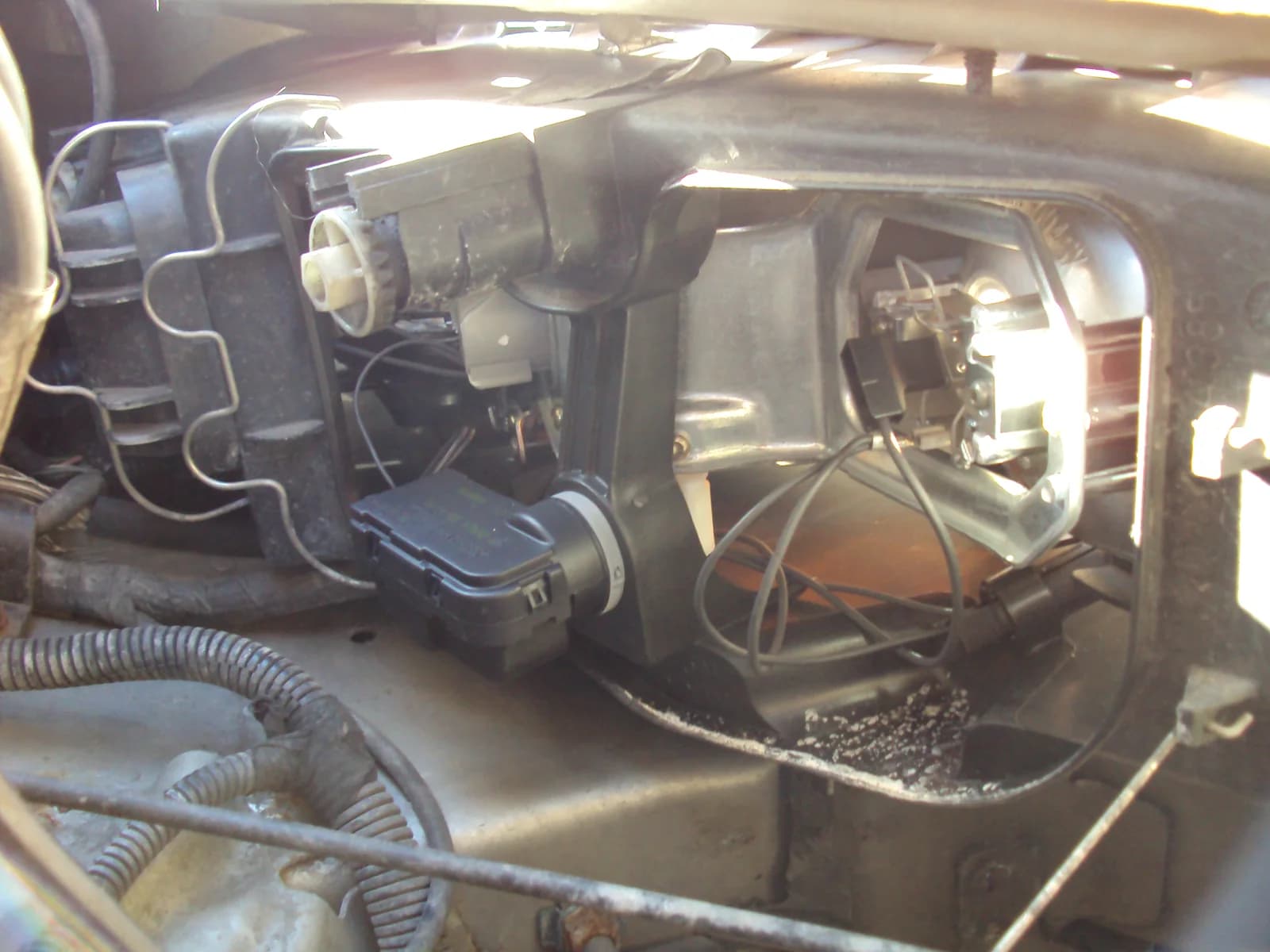 The thief attacks through the headlight wiringHe sends the car a fake message that the key is genuine, without your key. More about the headlight attack
The immobiliser covers these cases too. It is a small unit we fit next to the factory protection: the engine starts only when the car has both the right key and your confirmation.
You do not have to switch the immobiliser on, so it protects even when you forget the key outside the pouch. The confirmation can be a small fob you carry in your pocket, a code you enter with buttons in the car, or a phone. More about the immobiliser
How to check that the pouch works
Test the pouch on your own car, with your own key:
- Lock the car with the button on the key.
- Put the whole key in the pouch and close it all the way.
- Stand next to the car with the pouch in your hand or pocket.
- Pull the handle or press the button on the handle.
- If the car starts with a button, take the key out, unlock the car with the button on the key and sit down. Put the key back in the pouch and close it. Press the brake, and with a manual gearbox the clutch, then the start button.
The pouch works when the car does not unlock or start while the key is in it, and works normally without the pouch. If the car unlocks or starts, the pouch does not block the signal and you need a new one.
If the car does not open even with the key out of the pouch, the problem is not the pouch. More about what to do when keyless does not work
Repeat the test regularly, because the metal layer weakens over time. Replace a pouch that fails the test straight away.
Which pouch to buy
- With a wide flap and Velcro. The flap covers a larger key too. One pouch with a magnet kept popping open in a test.
- One the whole key fits into, with the key ring. The flap must close flat, because an overfilled pouch leaks the signal.
- With one pocket. An outer pocket sometimes has no metal layer, and the key easily ends up in it.
- Sturdy and well made. A flimsy pouch wears out sooner and stops blocking the signal.
- One for each keyless key. Or one that holds both keys without overfilling.
The price does not tell you whether a pouch blocks the signal. In a test one of the cheapest pouches blocked the signal as well as the most expensive one. So try it on the car right after you buy it, while it can still be returned.
Where to keep the key at home
A thief picks up the key signal even through a wall, door or window. Do not leave the key by the front door or next to a window.
Keep it away from them, in a pouch.
If you keep the key in a metal box, check it with the same test as a pouch. In a test a tin did not always block the signal when it was right next to the car. Any box must close all the way.