When you lose a key, do this
- Think of everywhere you have been and call those places. Someone may have handed the key in.
- If you think the key was stolen, report it to the police.
- If you have comprehensive insurance, contact the insurer before a new key is made. Ask what proof they need.
- Have a new key made and ask for the lost one to be deleted from the car. After that the lost key no longer starts the engine.
- Bring all the keys you have. A key that is not with the car while the keys are being deleted stops working afterwards.
With some insurers, after losing a key you must replace the locks, keys and anti-theft devices at your own cost. Without that, comprehensive insurance does not pay for theft.
How the car recognises the key
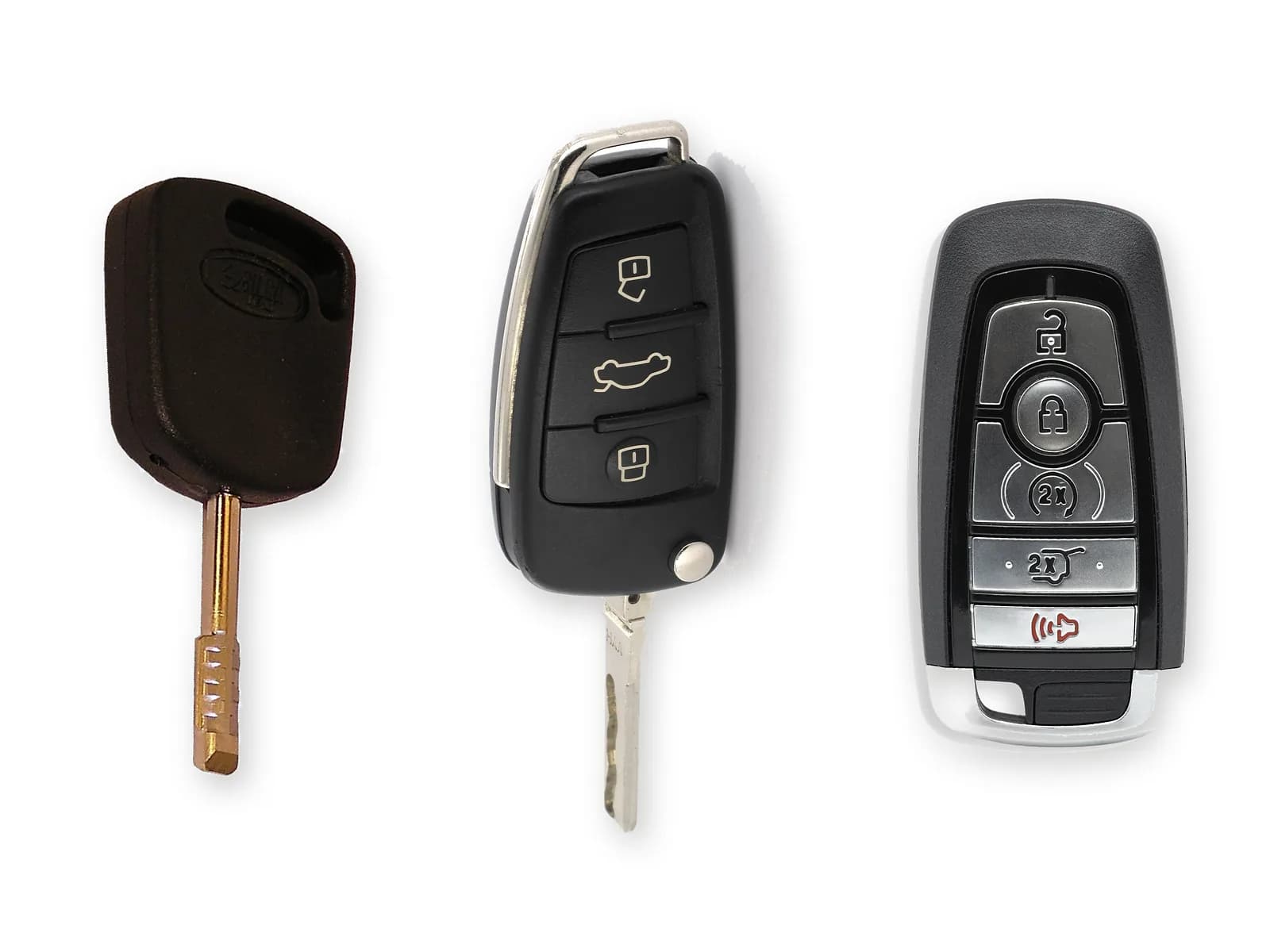
There is a small chip with a code in the key. The chip needs no battery: the car powers it through the ignition lock. The car remembers the codes of its keys and starts the engine only when it recognises one of them. This system is called the immobiliser.
Most cars made after 1995 have a chip in the key. That is why a new key has to be registered in the car, not just cut.
The buttons on the key are a separate part, the remote. The remote locks and unlocks the doors, and the chip lets the engine start. More about how the immobiliser works
How we make a new key
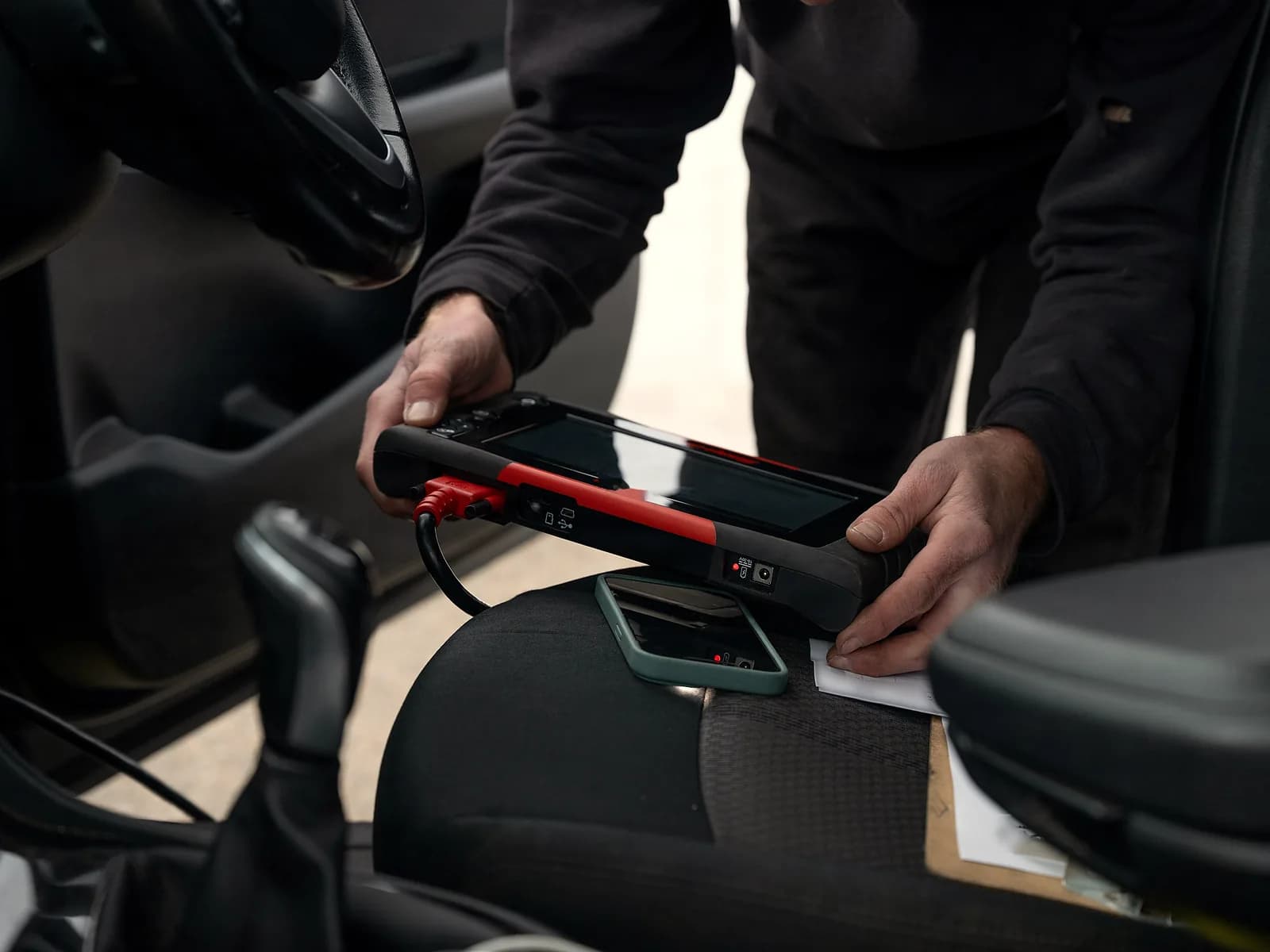
A new key is cut for your model and registered in the car through the OBD port under the steering wheel, the same port used for diagnostics. The keys you do not have are deleted, so they no longer start the engine. This needs the registration certificate and your ID card.
You lost your only key
A new key: it depends on whether you have another one
- You have another key that works: the new key is programmed alongside it.
- You lost your only key: the key is made from the make, model and chassis number on the registration certificate. The job is harder and more expensive, and some cars need a code from the manufacturer or a new computer.
So have a spare key made while you still have one: we make it and register it in the car together with the key you have.
If you cannot drive the car without a key, call and we will agree how to make the key. When the car is locked, we unlock it where it is parked. More about the car locksmith
A key that is only cut does not start the car
A key copy is only a cut metal blade and does not start the engine when the car key has a chip. The engine starts only with a key whose chip is registered in the car.
What the price of a new key depends on
There is no single price, because every car needs a different key and different work. The price depends on the make, model and year, on the type of key (chip only, with a remote, or keyless) and on whether you have another key that works. With some insurers, comprehensive insurance does not pay for a new key, because keys are not counted as part of the car.
The key does not unlock the car: battery, water or a fault
 A flat batteryThe buttons on the key stop working, but the key still starts the car in the ignition lock. On some keyless cars the engine starts when you hold the key against the start button. The car's manual says exactly how.
 The key fell into water or brokeIt often stops working. We replace the key battery and housing, and we register a faulty key in the car again. Bring the spare key too, so we can check it as well.
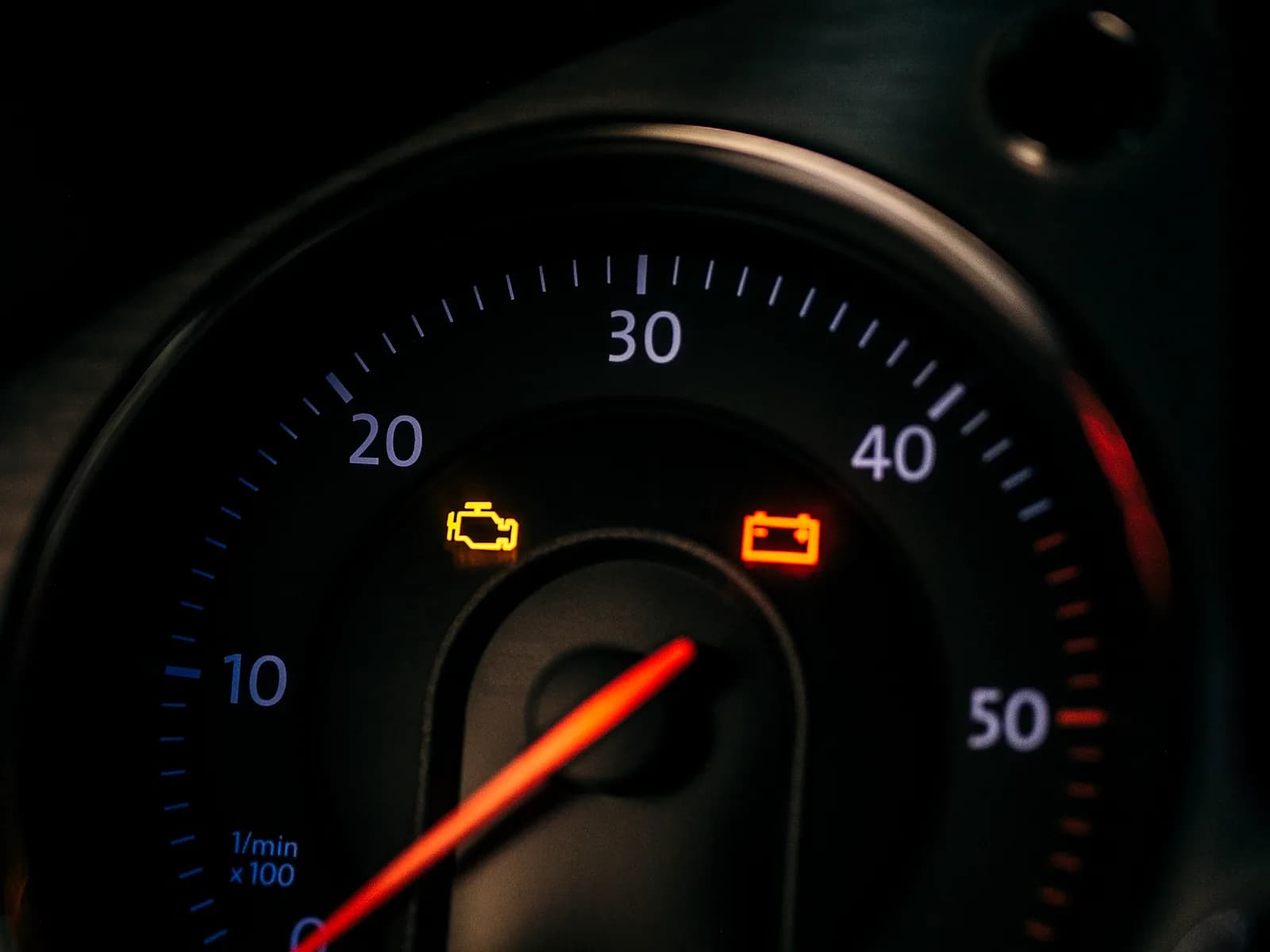
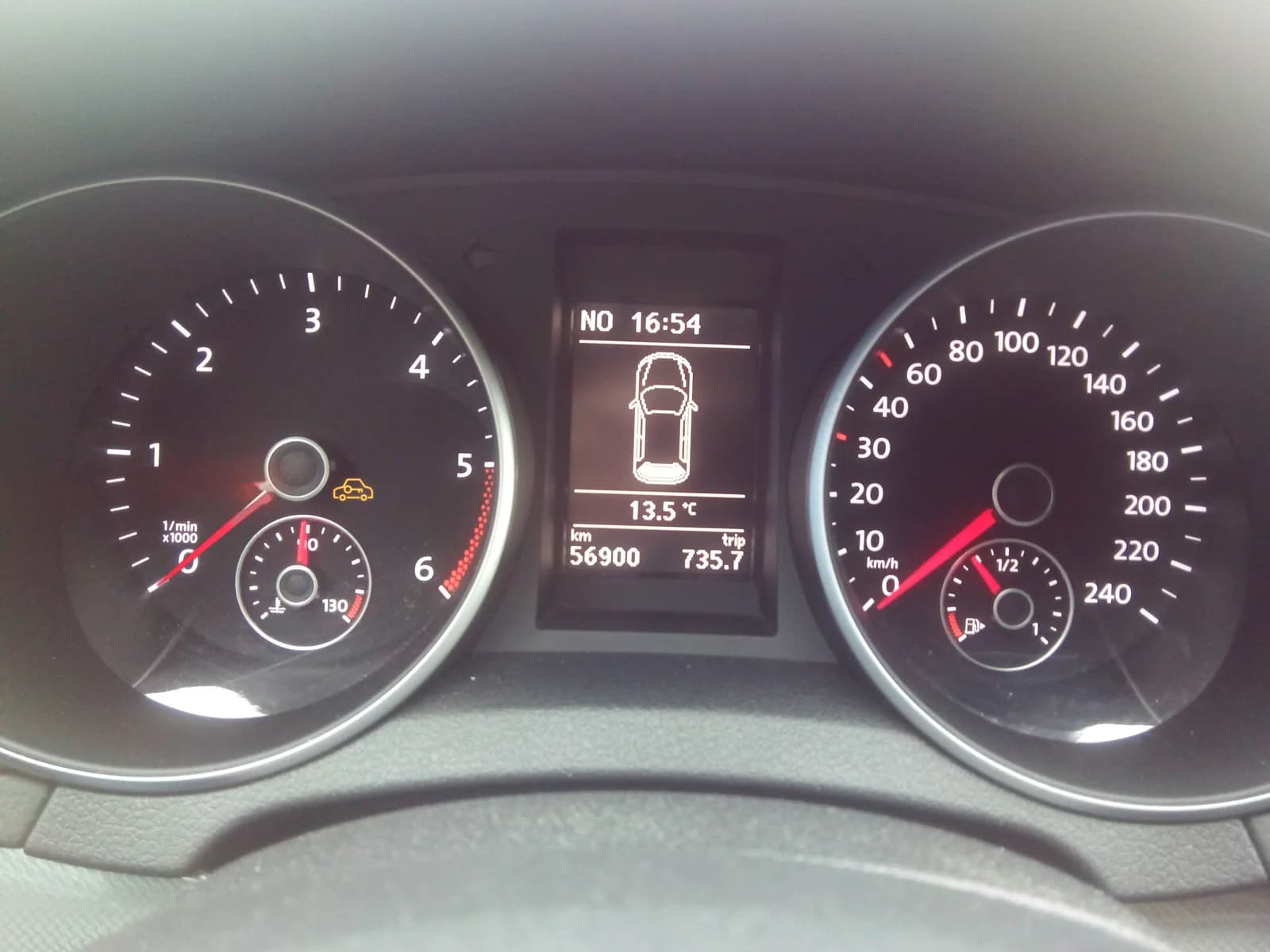 The key light flashes, the engine will not startWhen the dashboard lights up but the engine will not start and a light shaped like a key or a car with a key inside flashes, the car does not recognise the key. More about a car that will not start because of the immobiliser
You need a spare key for insurance too
When you take out comprehensive insurance with theft cover, the insurer may ask to see all the keys you got with the car.
When you report a theft, some insurers ask for all the original keys. If one is missing or the key was in the car, comprehensive insurance does not pay for the theft.
So keep the spare key at home, never in the car. More about insurance and theft
With a used car, ask for all the keys
With a used car you do not know how many keys exist. A key that stayed with the previous owner starts your car until it is deleted.
- Ask the seller how many keys exist and ask for all of them.
- If you get only one key, we will make a spare and delete the keys you do not have.
- Fit an add-on immobiliser. The engine then starts only when your small fob is also near the car, so the previous owner's key cannot start it.
More about checking a used car before you buy
The thief does not steal your key, but makes a new one
The thief gets into the car, plugs a device into the OBD port under the steering wheel and makes a new key in a few minutes. Key programming devices are made for workshops, but they are also sold online. More about theft through OBD
How to stop a new key from starting the car
You can stop a thief in 2 ways: they do not make a key, or the new key does not start the engine.
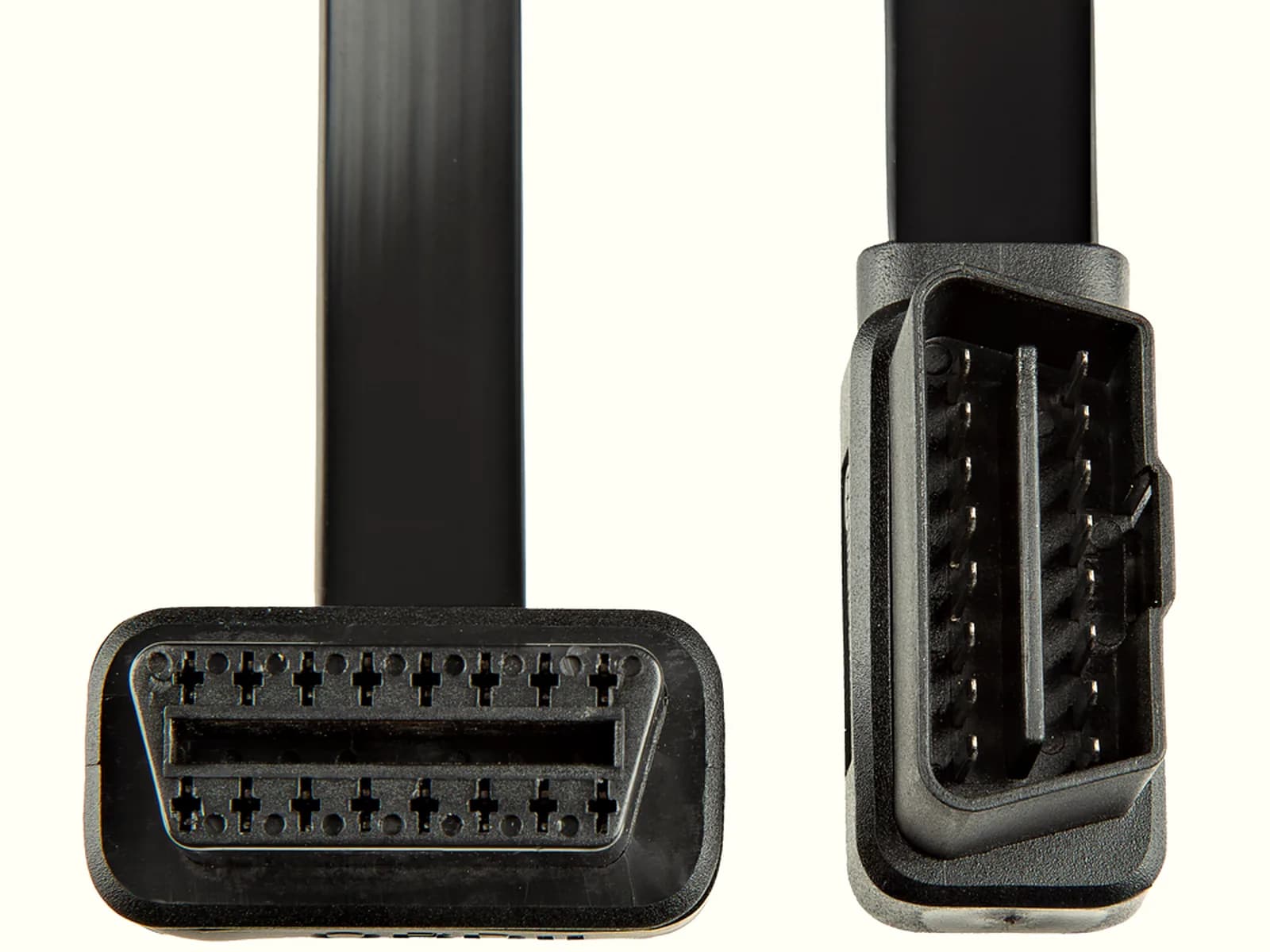 OBD port relocationWe fit a hidden socket, and you get a small adapter. The thief finds the factory port, but it does not work until your adapter is in the hidden socket, so the thief does not make a key. More about OBD port relocation
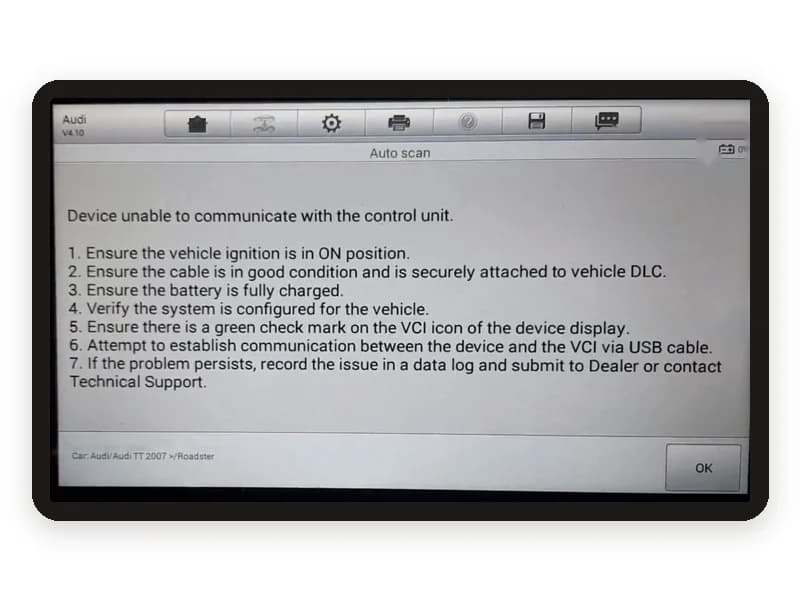 Electronic OBD blockerA small device switches the port off. For a service you switch the blocker off with a fob or a code. While the blocker is on, the port does not answer any device, so the thief does not make a key. More about the OBD blocker
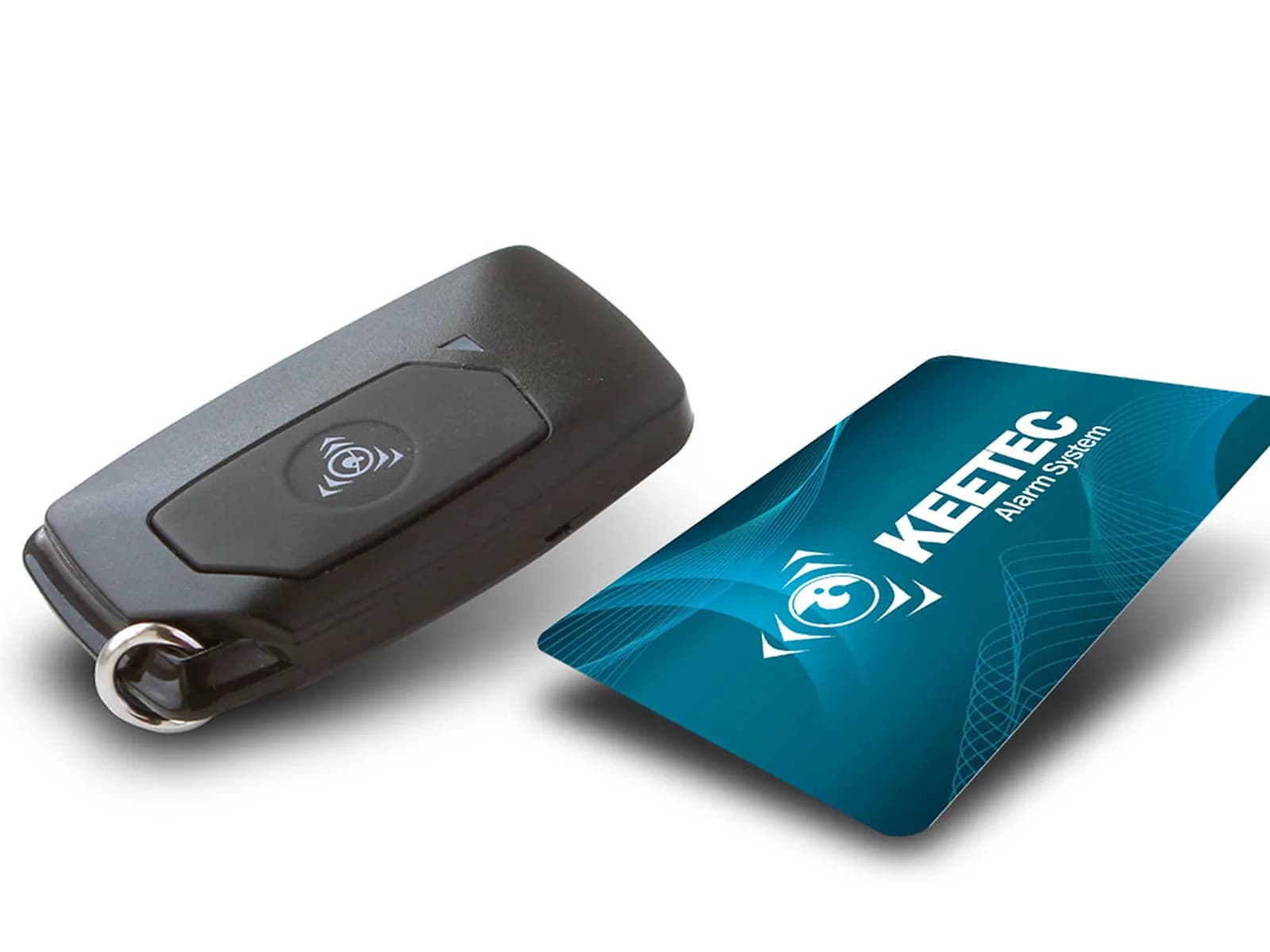 Add-on immobiliserWithout your fob the engine does not start, even with a new key. More about the immobiliser
Compare all 3 types of OBD protection
A thief opens a keyless car with your key's signal
A keyless key opens and starts the car without taking it out of your pocket. The thief catches the signal of your key and relays it to the car. The car is protected by a key pouch, which blocks the signal, and an immobiliser, because the engine will not start without your fob. More about keyless theft