
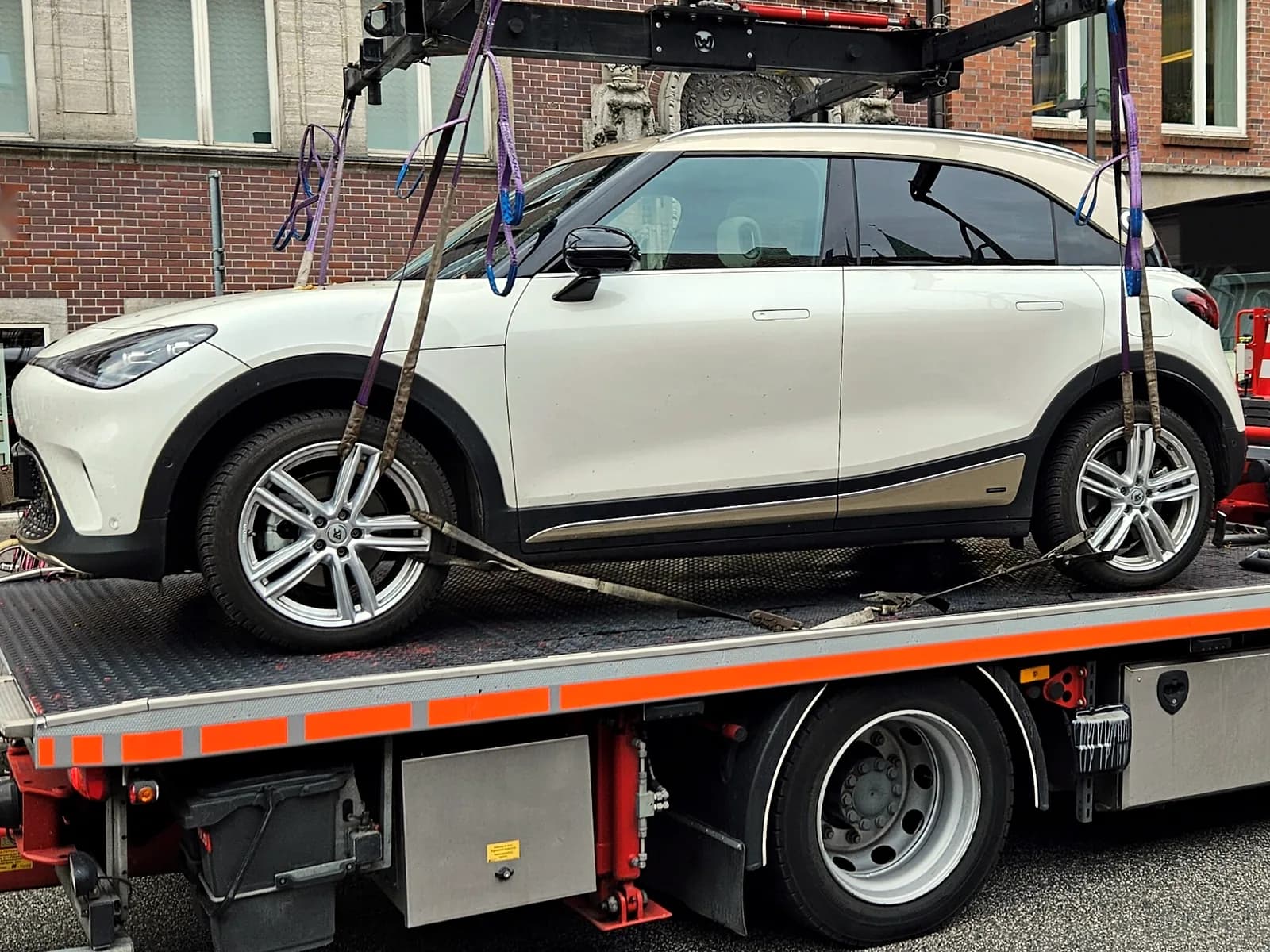

The real owner can claim a stolen car back
When you buy a stolen car from a private seller through an ad, the purchase does not make you the owner, even if you did not know it was stolen. The real owner can sue to get the car back.
So check a car from a private seller before you pay.
Your rights: depends on who you buy from
- From a private seller through an ad: if the car is stolen, the real owner can claim it back. You buy a pledged car together with the pledge. The seller is liable for a hidden fault for 6 months.
- From a company that sells cars as its business, or at a public sale: you become the owner at once, if you did not know the car was stolen. From a company you get the car without a pledge. The company is liable for a fault for 2 years, and for a used car a shorter period can be agreed, but not less than 1 year.
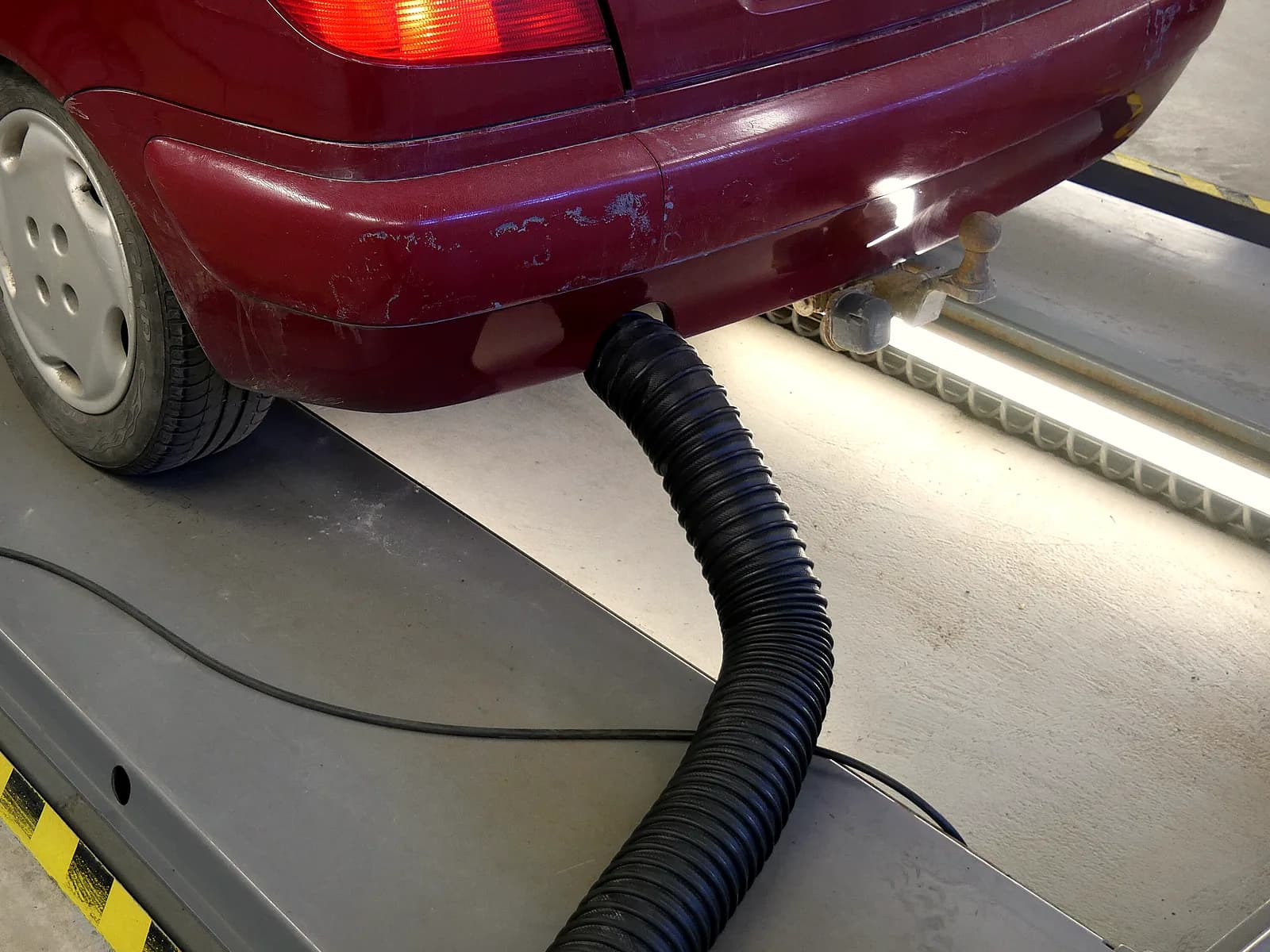
Diagnostics shows faults the seller did not mention
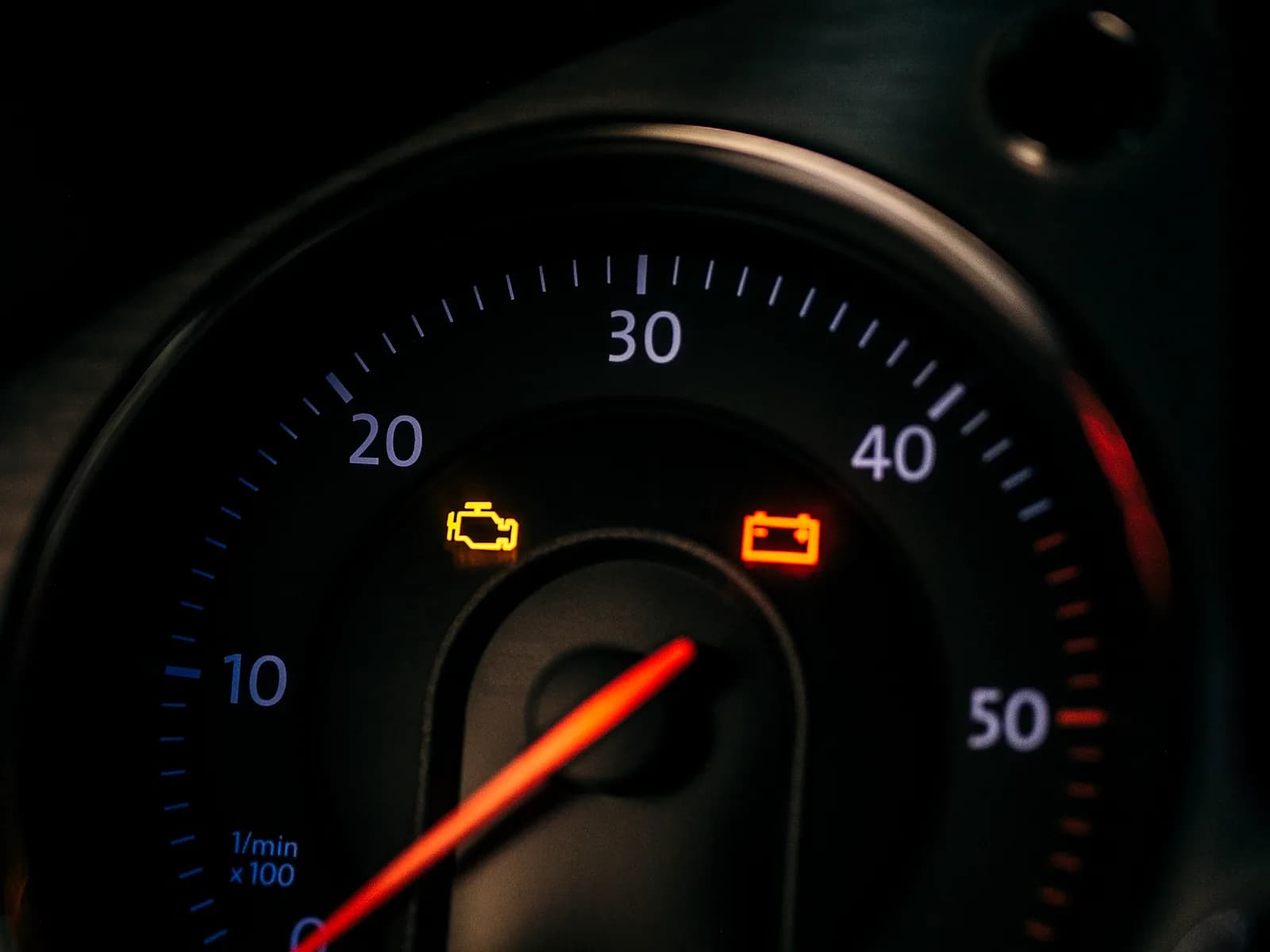
The seller can clear the faults before the sale, so the warning lights on the dashboard are off. Diagnostics shows that the faults were cleared recently or the battery was recently disconnected. Then ask the seller what was done on the car recently.
The computers in the engine, the ABS and the airbags also record the mileage. If the mileage was not changed in all of them, diagnostics shows that the numbers do not match. This does not yet prove the mileage was rolled back, but it is a reason to check further. More about checking the mileage
Diagnostics sees only what the car's computers have recorded. Worn brakes, noise from the suspension or an oil leak show up only in an inspection. So also take the car for a test drive.
Have diagnostics done before the deposit, while you have paid nothing yet. Then you decide yourself whether to buy and at what price.
The VIN must be the same everywhere
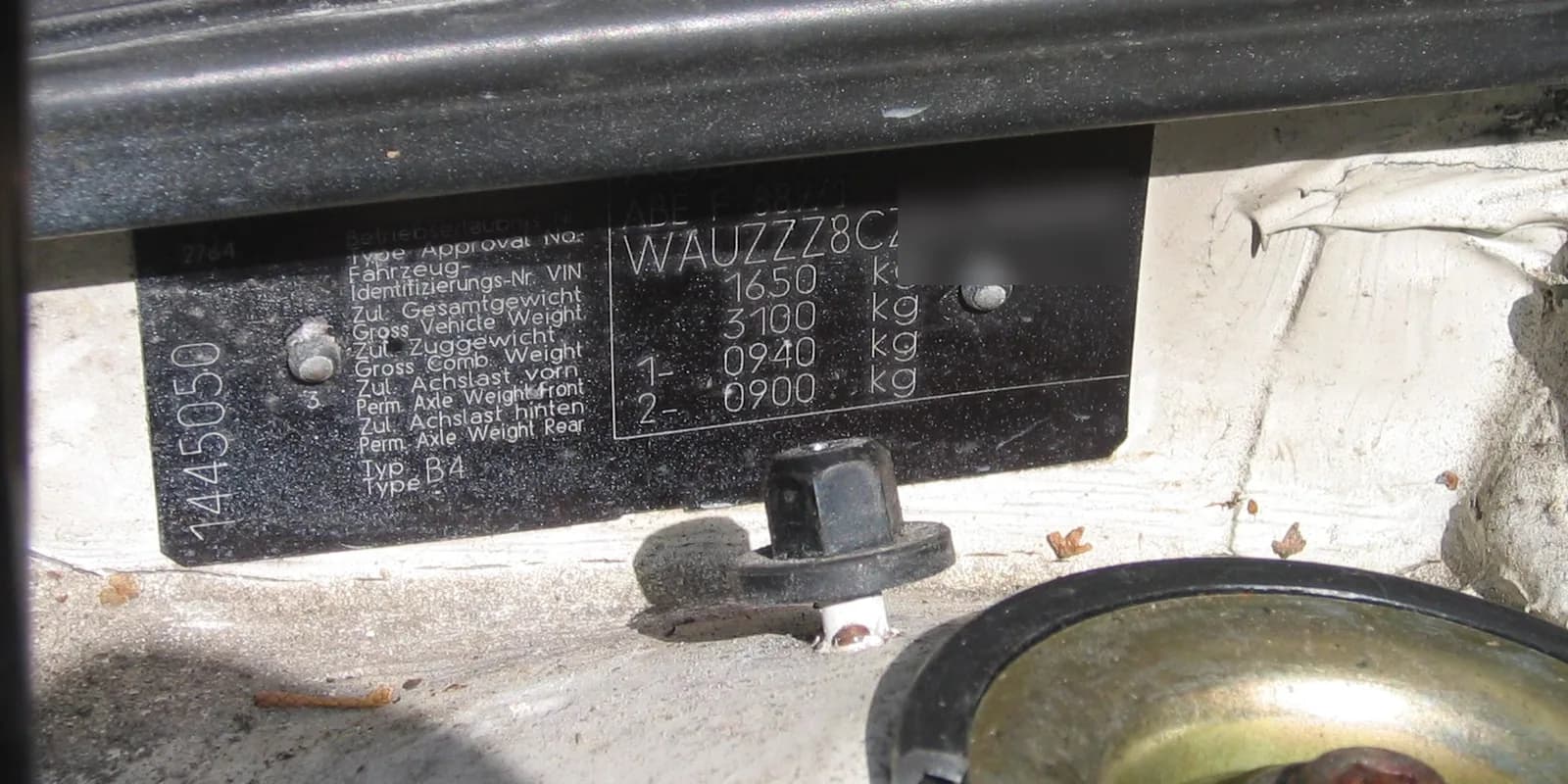
The VIN (chassis number) has 17 characters. On the car it is behind the windscreen, on the driver's door pillar and under the bonnet. In the registration certificate it is on the back, under the letter E. Everywhere it must be the same, character by character. The make and model of the car must also match the registration certificate.
In daylight, also check that the number has not been altered. These are signs of tampering:
- The plate with the number is held by screws instead of rivets.
- The rivets are loose.
- The number is scratched.
- There is glue, tape or paint over the number.
If the numbers do not match or you see any of these marks, do not buy the car and do not pay a deposit.
The seller must be the owner
- Ask for the original registration certificate, not a photocopy.
- Compare the name in the certificate with the seller's ID card.
- Compare the number plates on the car with the certificate.
- Take the seller's address, not just a mobile number.
- Be careful when the car is much cheaper than similar ones: such a car may be stolen.
- See the car in person, with another person.
If the certificate also lists a user
When a car is leased or rented, the registration certificate lists a user as well as the owner. Until the lease is fully paid off, the owner is the company that gave the lease, not the person who drives the car and is selling it.
Check that the car is not pledged
A car can be pledged for a loan, a debt or unpaid tax. Whoever buys a pledged car buys it together with the pledge. If the debt is not paid, the one who is owed can collect from the car, even though the car is now yours.
Before the deposit, check the car in the Pledge Register on the website of the Business Registers Agency (APR). In the search by pledged item, enter the VIN, then the number plates. The search finds a pledge only by the details entered in the register, so try both. Data in the register is public, so you cannot claim you did not know about a registered pledge either.
Ask for all the keys and look at the locks
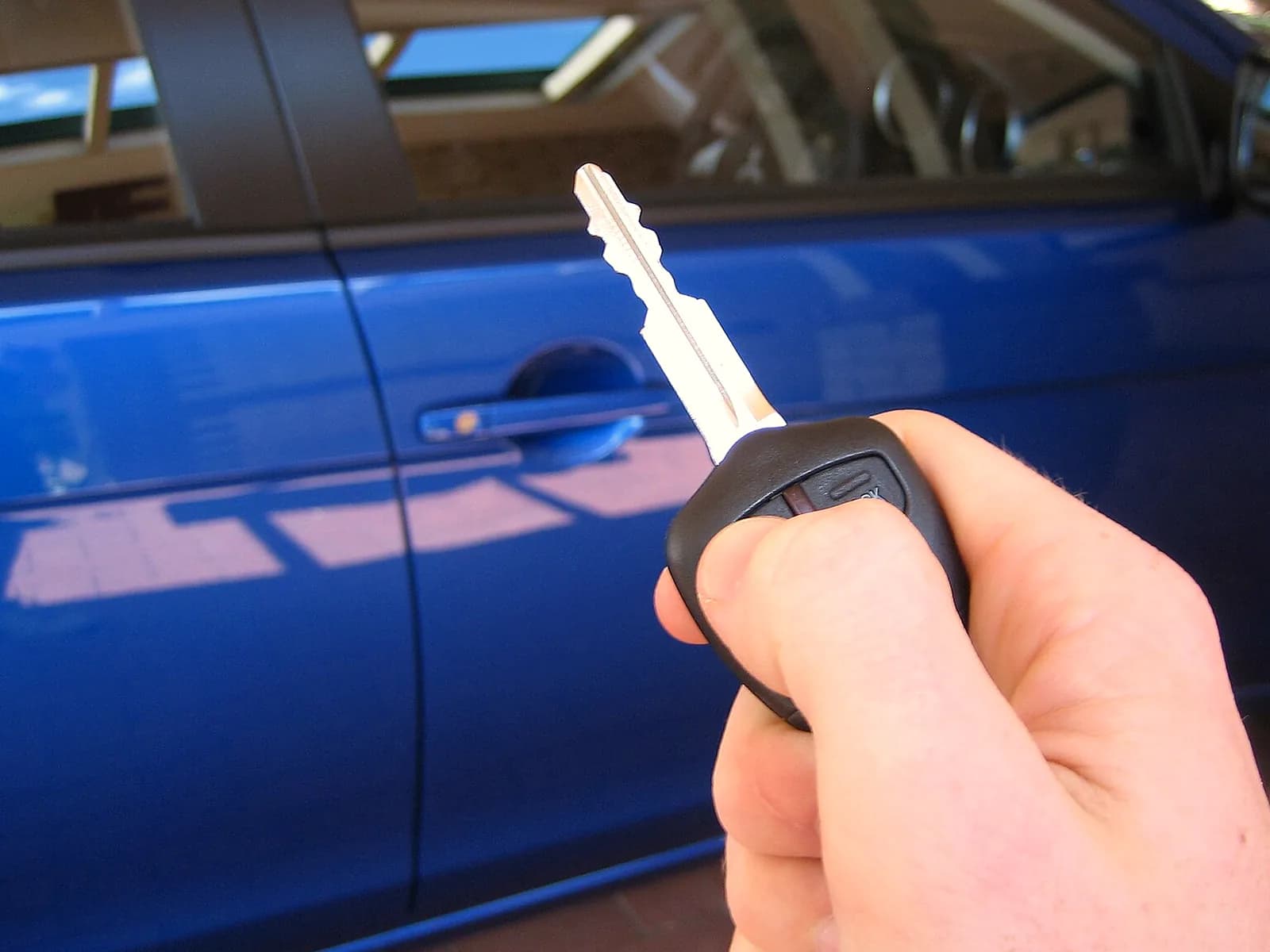
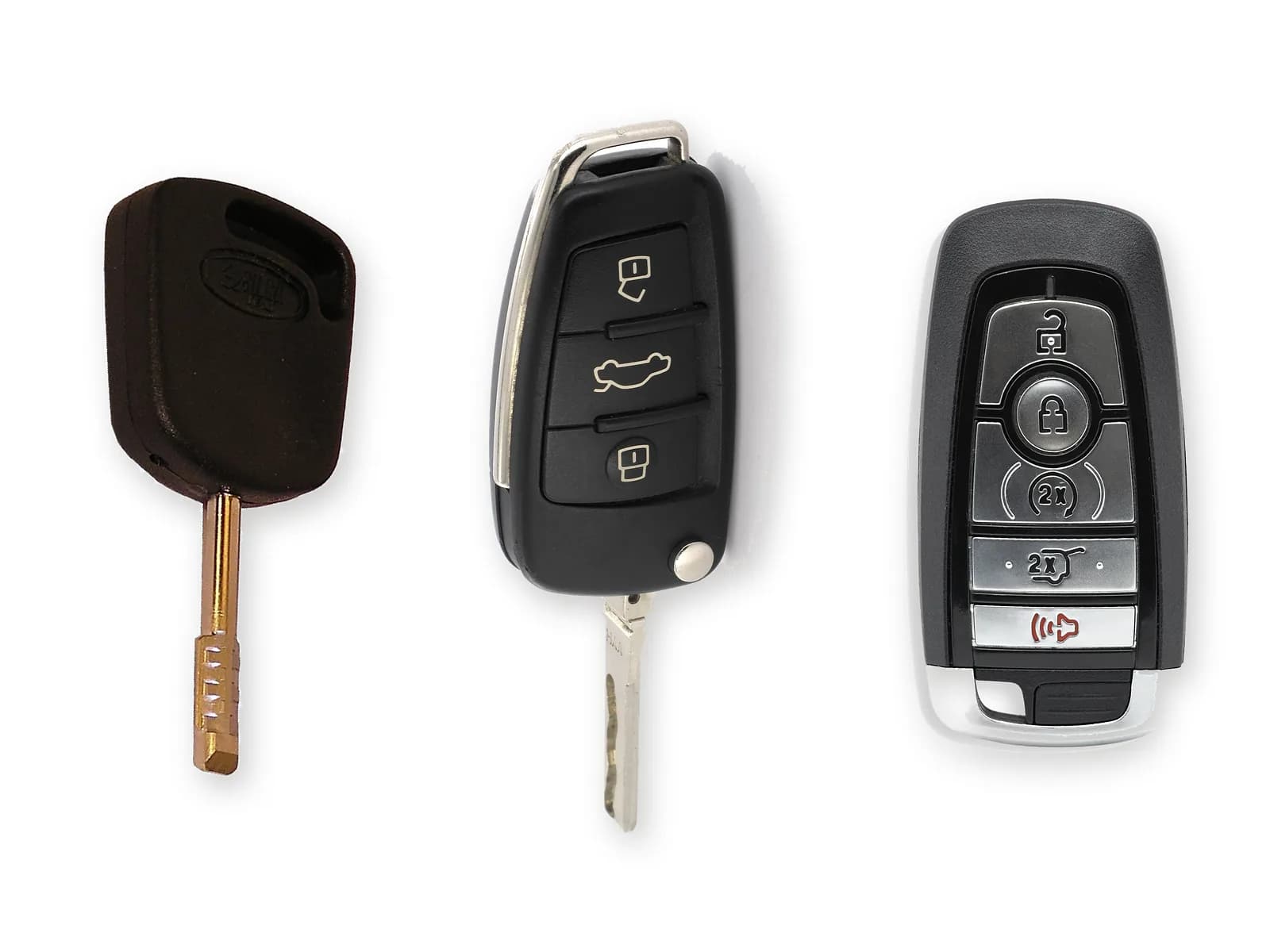 Ask for all the keysAsk for all the keys that come with the car. If the seller does not have them all, ask them to explain why.
- Look at the locksIn daylight, look at the door locks and the ignition lock. Scratches and damage are a reason for caution.
A missing key can also cause you trouble with comprehensive cover. When you take out theft cover, the insurer can ask you to show all the keys the manufacturer supplied. If the car is stolen and you do not hand over all the keys, the insurer can treat the car as unlocked and refuse to pay. More about comprehensive cover and theft
If you do not know who else has a key to the car, we fit an immobiliser that works alongside the factory one. The engine will not start without your fob or code, even if someone has a key to the car. More about the immobiliser
If the OBD port is protected against theft
The OBD port is where diagnostics is plugged in. On almost all cars it is near the steering wheel, and the exact place depends on the model. More about where the OBD port is
If diagnostics does not connect, the car may have protection of the OBD port against theft. That is not a bad sign. With this kind of protection, diagnostics works only once a small adapter is plugged into a hidden socket. So ask the seller for the adapter and where the hidden socket is.
If the seller does not know where the hidden socket is or the adapter is lost, we come to your address and restore diagnostics. More about a lost OBD adapter
A deposit means you have committed to buy
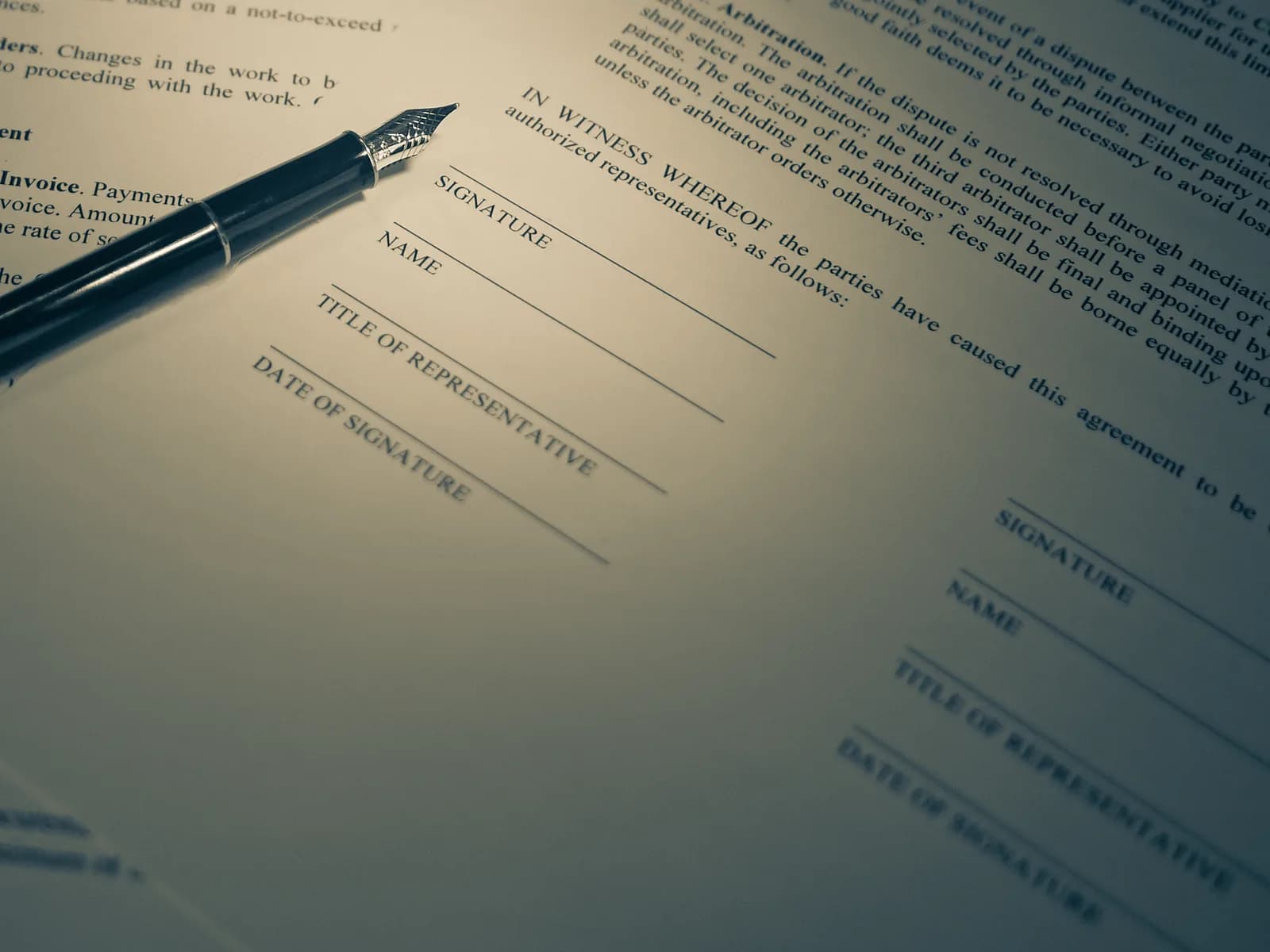
Once you pay a deposit, by law the contract is considered concluded.
If you back out later, the seller can keep the deposit, demand that you buy the car or claim compensation.
If the seller backs out, you can demand double the deposit back or that they still sell you the car.
That is why you pay a deposit only after you have checked the VIN, the seller, any pledge and the condition of the car.
If you find a fault after buying
The seller is liable for faults the car had when you took it over, even if they did not know about them. They are not liable for faults you would easily notice in an ordinary inspection.
Write into the contract what the seller tells you about the car, for example that it has not been in an accident or how far it has gone. The seller is liable for such a statement even when the fault was easy to see.
The deadlines are short:
- Tell the seller straight away about a fault you notice when you inspect the car together.
- Report a hidden fault to the seller within 8 days of finding it.
- The seller is not liable for a fault that shows up more than 6 months after you took over the car, unless the contract gives a longer period.
If the contract says the seller is not liable for faults, this does not apply to a fault they knew about and did not tell you.
After you buy
- Have the contract certified by a notary, pay the tax and change the registration certificate at the police (MUP) within 15 days. More about transferring ownership
- Keep the spare key at home, never in the car.
- Protect the OBD port, because thieves use it to make a new key. More about theft through the OBD port