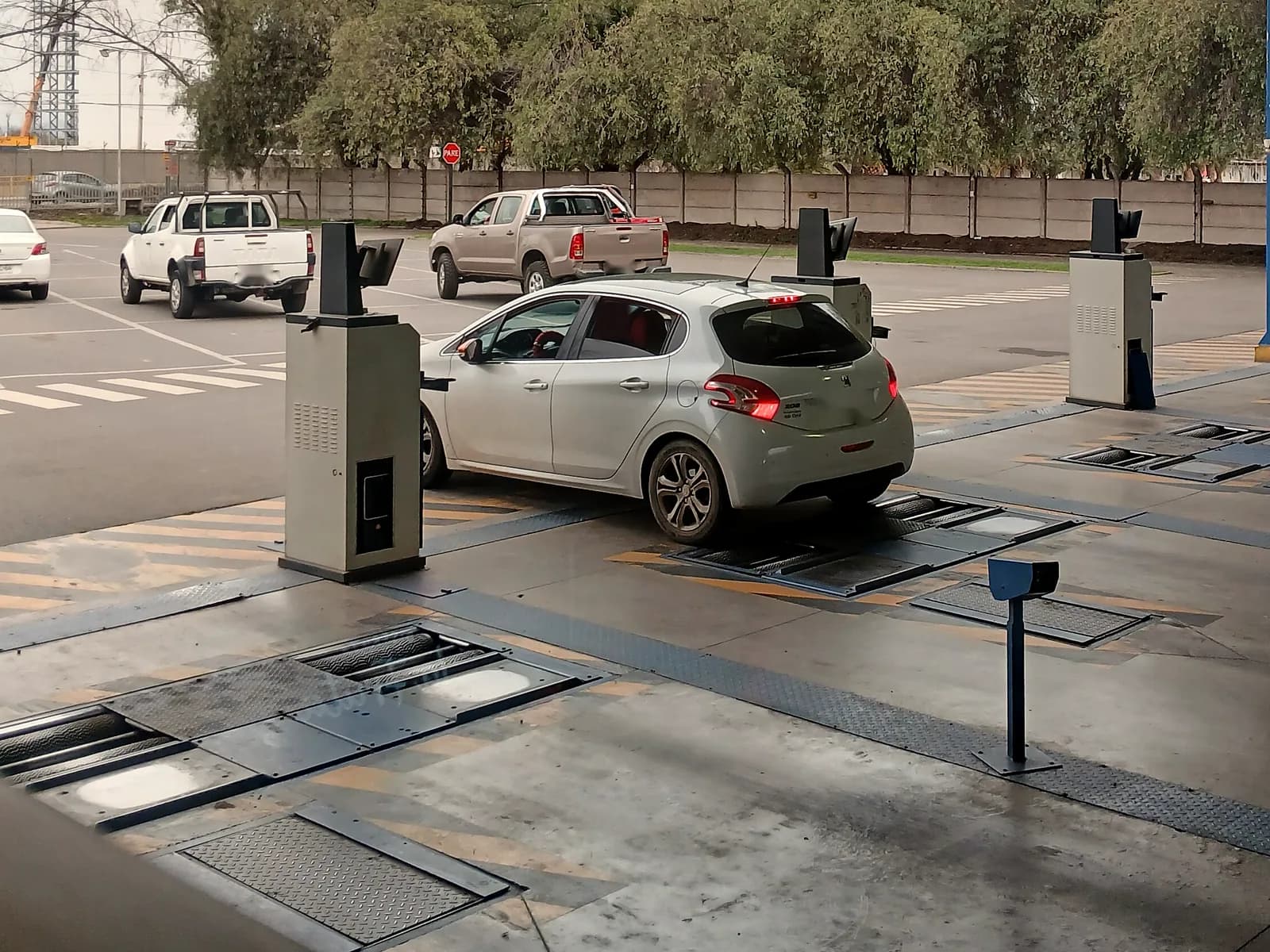
What the technical inspection checks through OBD
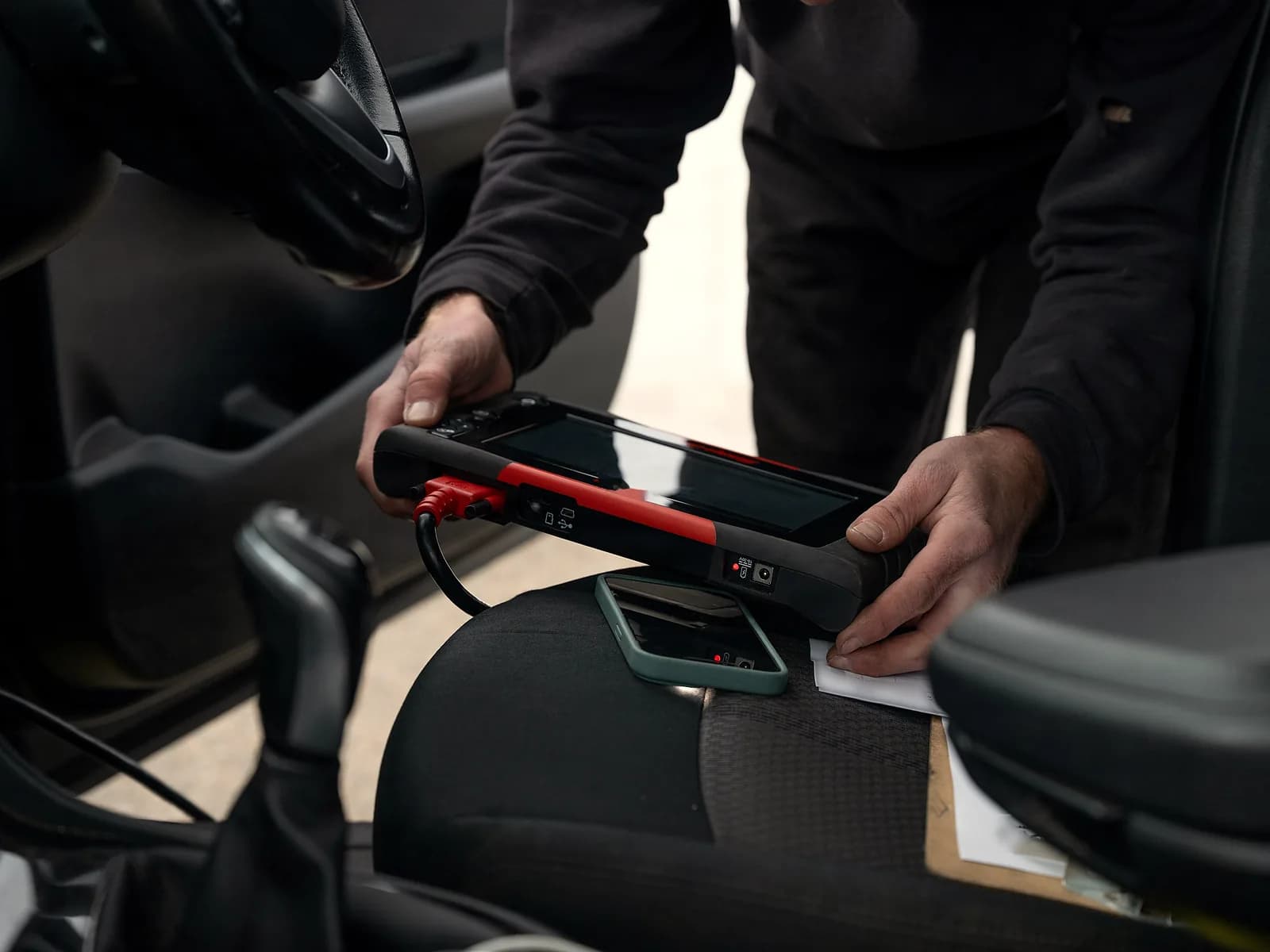
The inspector connects a device to the OBD port and checks 2 things, and the eco test is done as well:
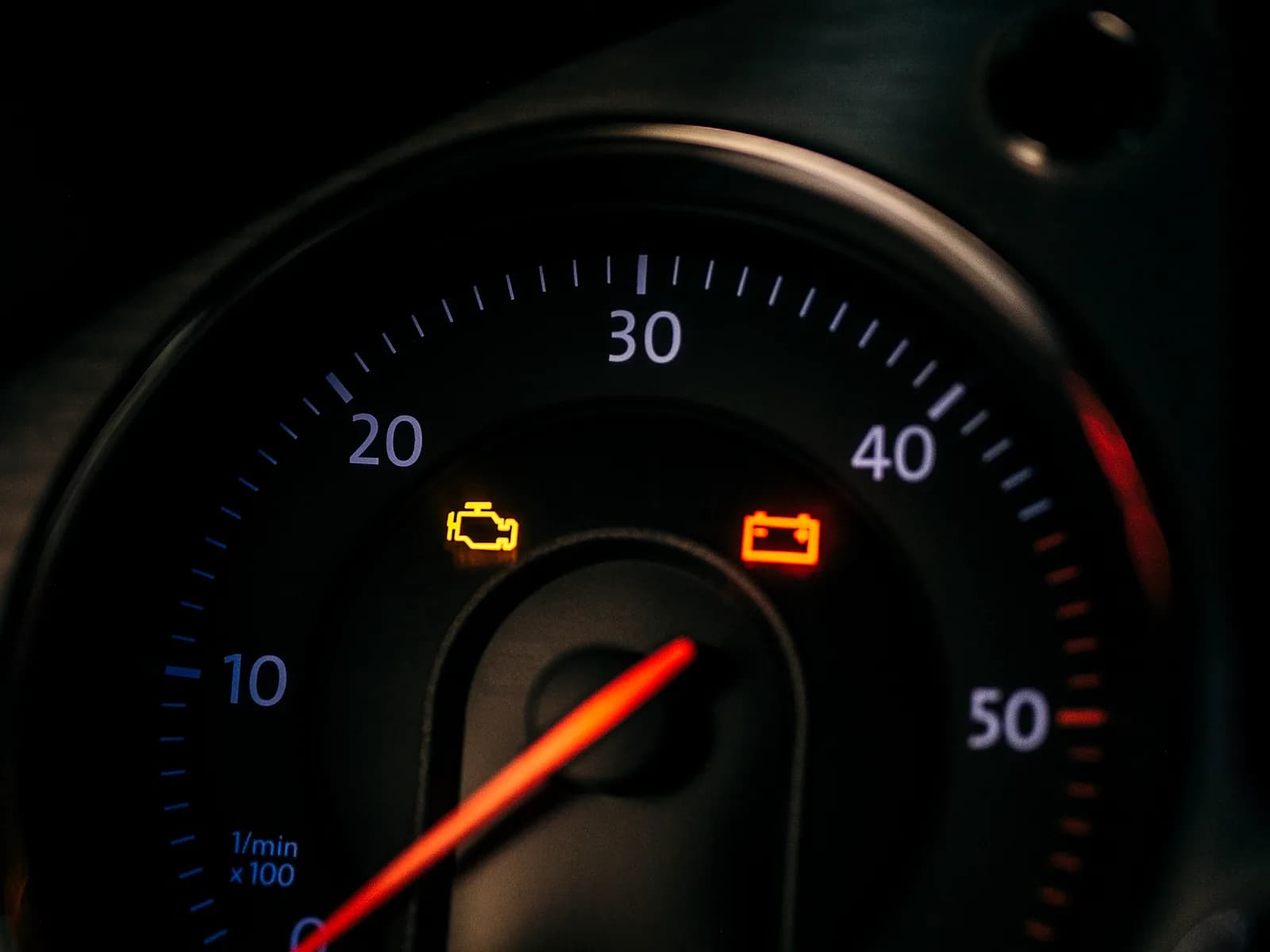
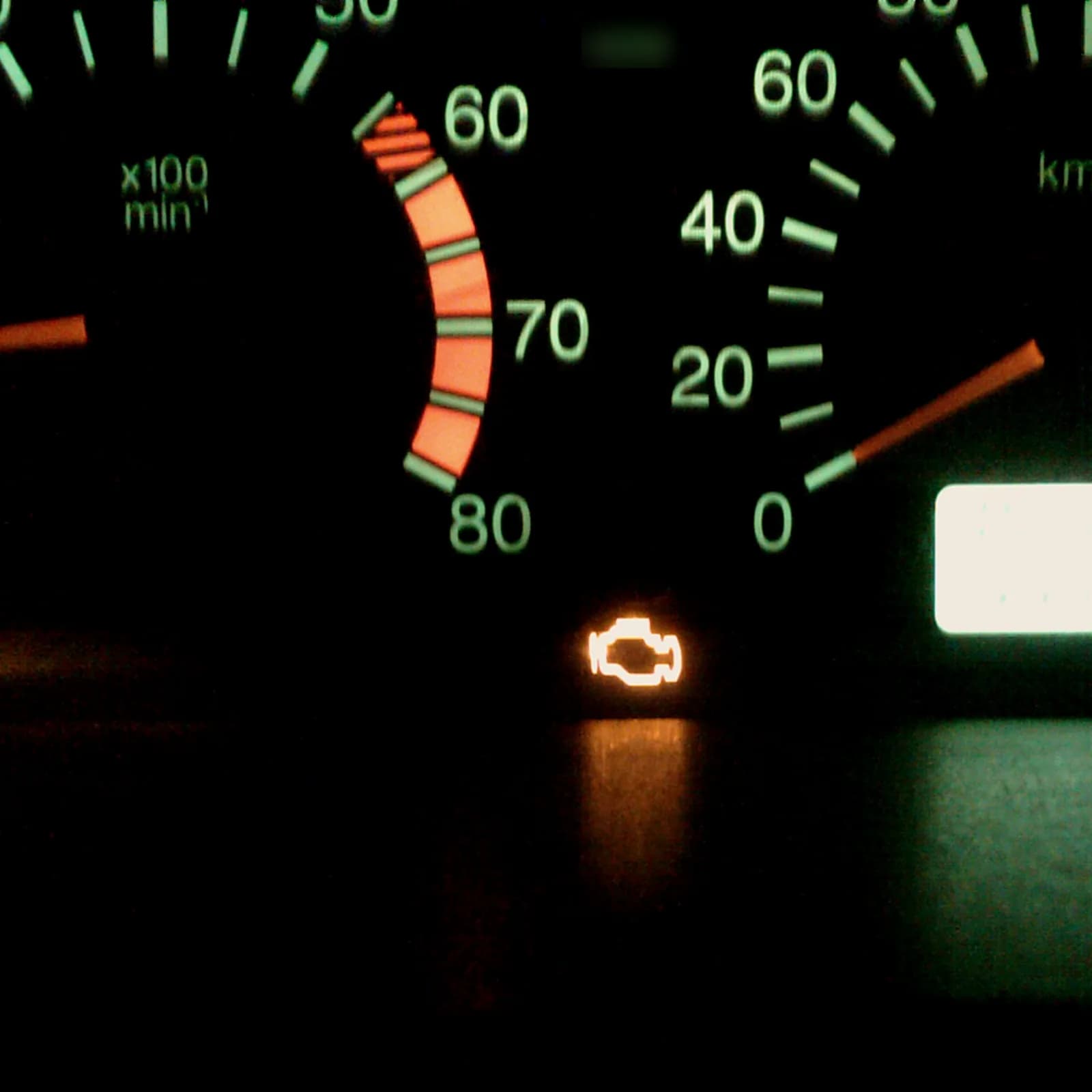 Whether the fault warning worksThe “check engine” light on the dashboard warns of a fault in the emissions equipment, the parts that reduce pollution from the exhaust, such as the catalytic converter.
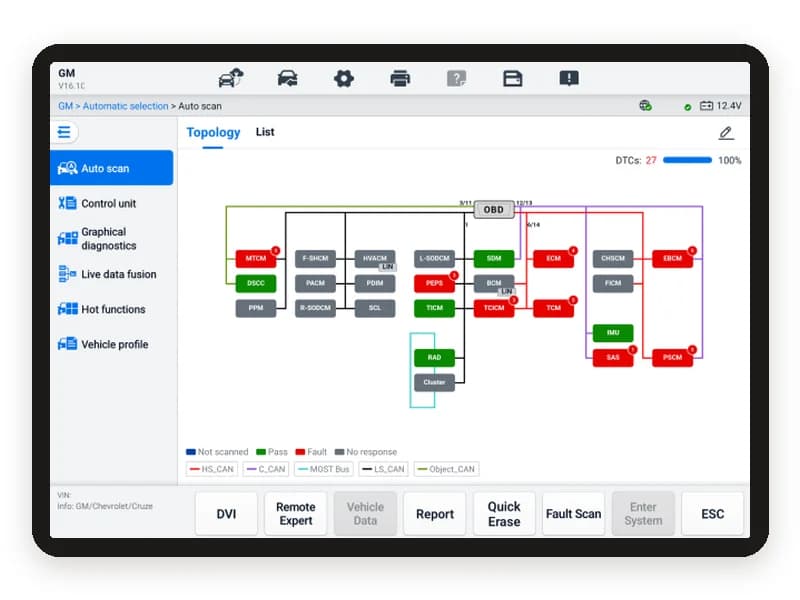 Whether the computer has stored a faultFor example, the device shows a catalytic converter fault as a fault code.
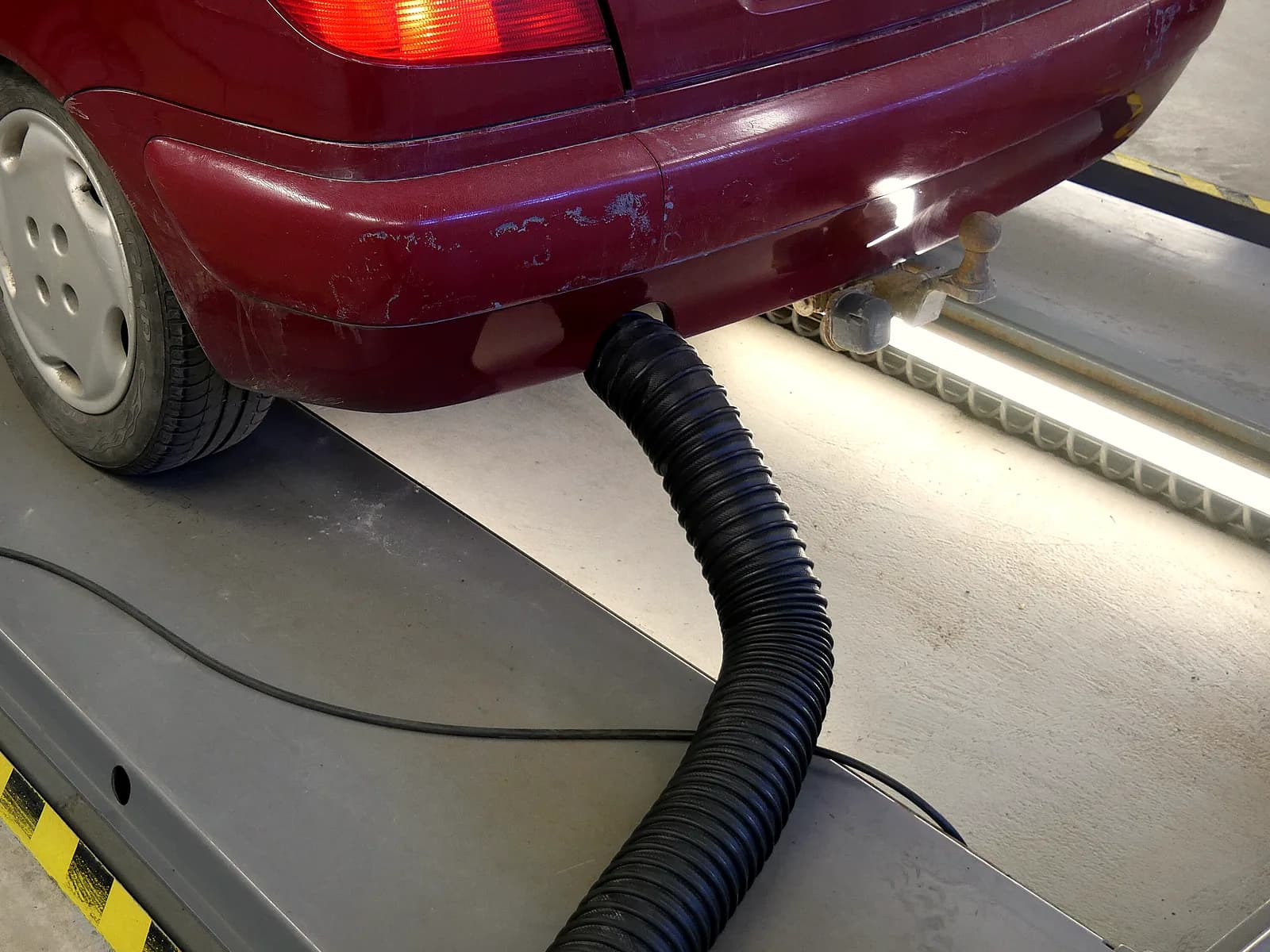 Eco testPetrol cars have their exhaust gas content measured, and diesels how much smoke they give off, with the engine fully warmed up.
A relocated OBD port at the technical inspection
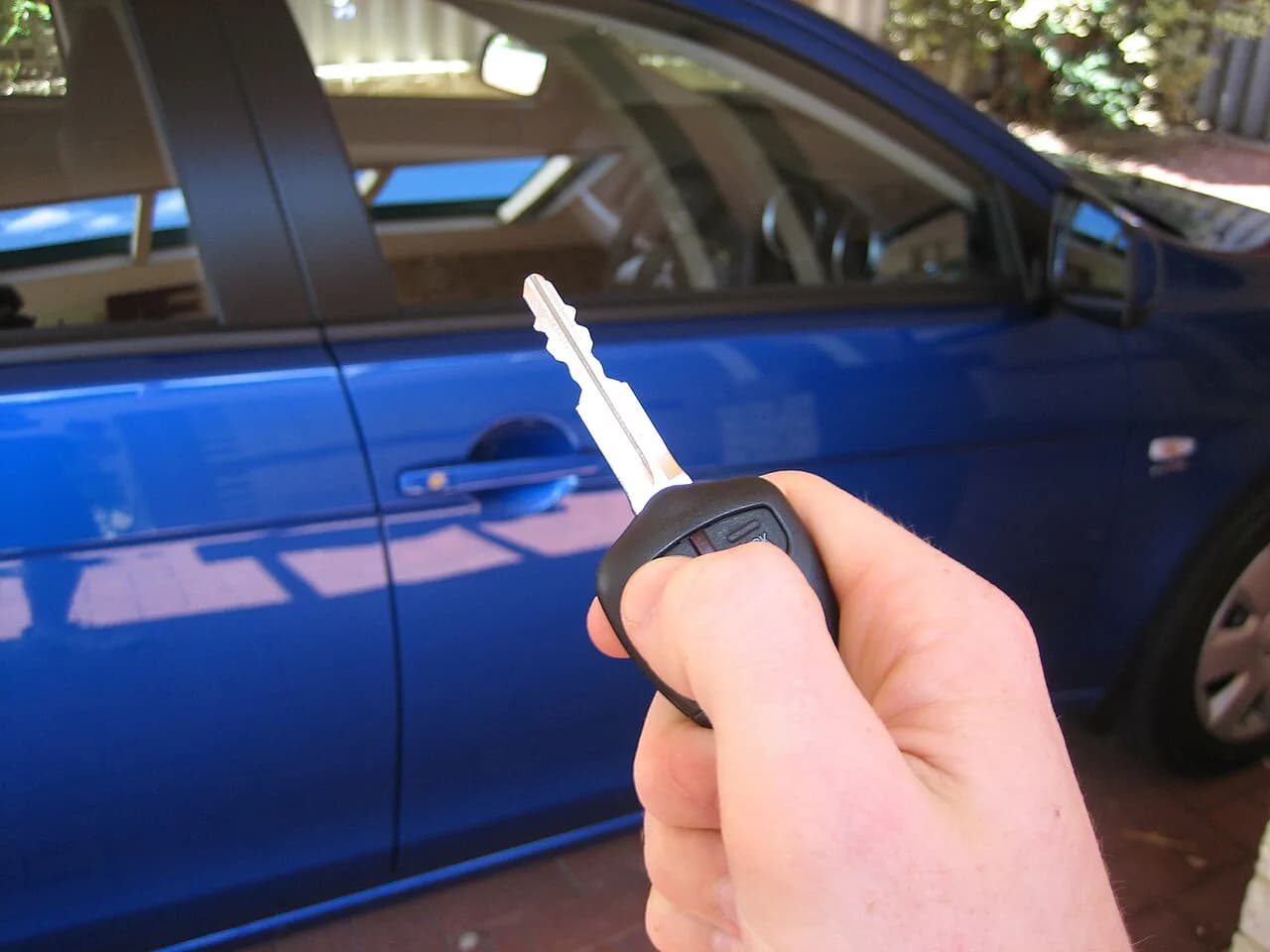
With a relocation the factory port stays intact and in its place, but works only when a small adapter is plugged into the hidden socket.
Without the adapter the thief's device doesn't work, and neither does the device at the inspection. That is why the inspection asks owners of cars with a relocated port to bring the adapter.
Before the inspection: it depends on the protection
- Relocated port: plug the adapter into the hidden socket, in the spot you were shown after fitting. After the inspection, take it out and take it with you.
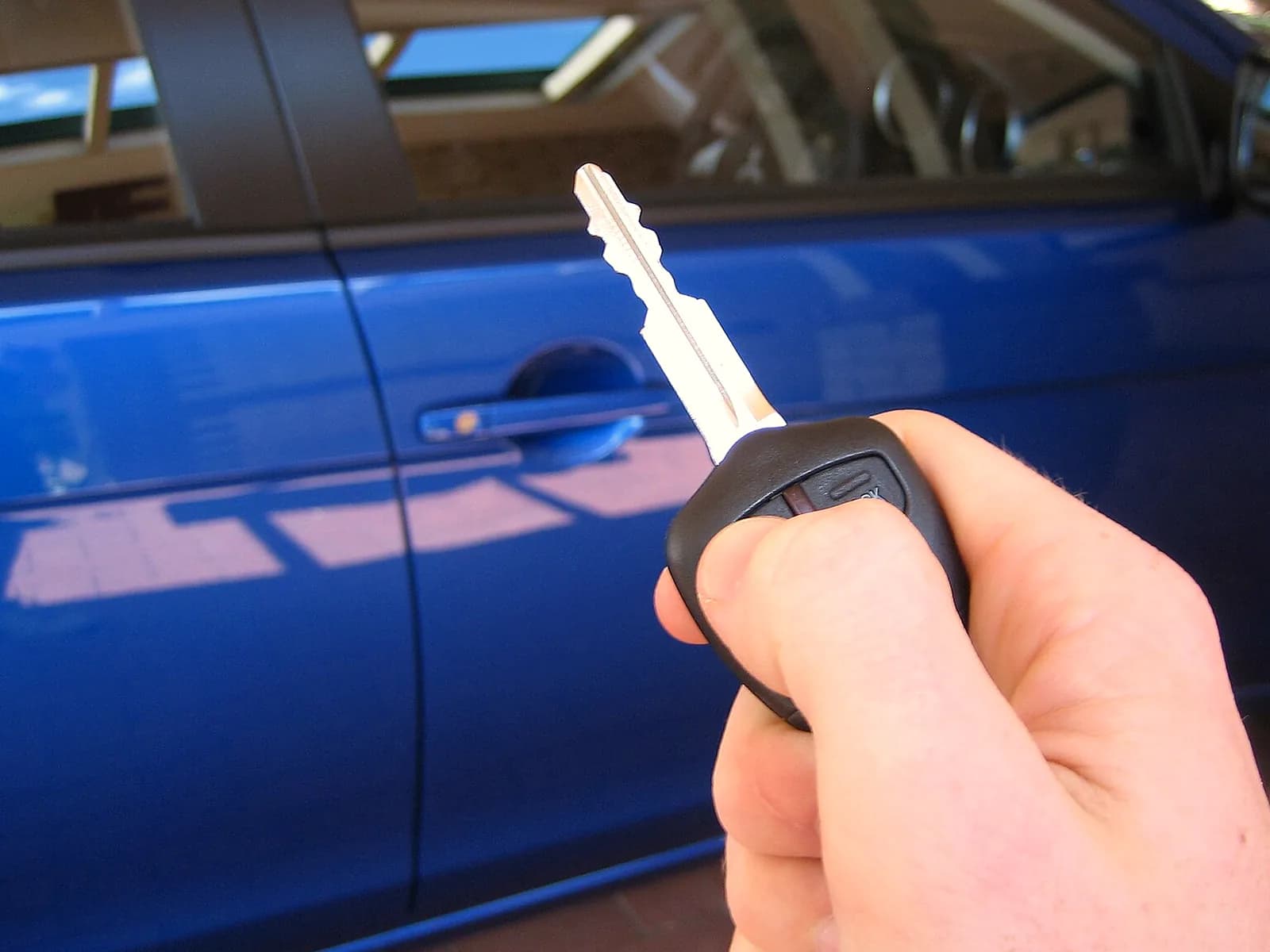
- Electronic blocker: switch the blocker off with an adapter with a code, a fob or through the alarm. More about the electronic OBD blocker
- OBD lock: unlock the lock.
If you're planning a relocation and the technical inspection is in a few days, you don't have to put off the relocation. With the adapter the port works at the inspection as before.
If the “check engine” light is on before the inspection
The “check engine” light comes on when the car's computer finds a fault that affects exhaust emissions or the working of the system itself.
A fault in the emissions equipment that the device reads through the OBD port is a vehicle defect. That is what the Serbian rulebook on technical inspection sets out. A certificate of roadworthiness is given to a car that meets all the prescribed conditions. More about the vehicle inspection
When a car is found defective, the re-inspection is done at the same station within 7 working days. Then only what was not in order may be checked. After that deadline the whole inspection is done again.
Don't wait for the inspection to find out what it is. The fault behind the light often affects fuel consumption and how the engine runs, and driving with it for longer can damage other parts too. More about car diagnostics
Clearing the fault only switches the light off. If the fault is still there, the fault code comes back.
That is why we clear faults after the repair, not instead of it.
After a fault is cleared, and after the battery is replaced or disconnected, the car's computer has to check the emissions parts again by itself. It does this while you drive, and it needs about a week of normal driving, so check the fault in time, not the day before the inspection. More about the “check engine” light
Which vehicles are checked through OBD
Every petrol car made in 2001 or later and every diesel car made in 2004 or later is checked through OBD. Goods vehicles over 3.5 tonnes are not checked through OBD.
Take the adapter to the garage
- Plug the adapter into the hidden socket as soon as you leave the car at the garage.
- If the car stays overnight, the adapter stays plugged in. When you collect the car, take it out and take it with you.
- When you collect the car, check the port cover, that it has been put back as it was.
Lost adapter before the inspection
Lost the adapter? We come to your address and restore access to diagnostics. Keep the adapter out of the car, always in the same place. More about a lost OBD cable or adapter
As few people as possible should know about the hidden socket
A thief needs both the hidden socket and the adapter. The fewer people know where the hidden socket is and where you keep the adapter, the better.
- You and family members who drive the carYou know where the hidden socket is. Keep the adapter out of the car and note the socket location on your phone.
- Someone else drives the car to the inspectionGive them the adapter and tell them where it plugs in.
- A mechanic you trustShow them in person.
- Car wash, valet parking, a buyer looking at the carThey don't need to know.
When you sell the car, give the new owner the adapter and show them where the hidden socket is.