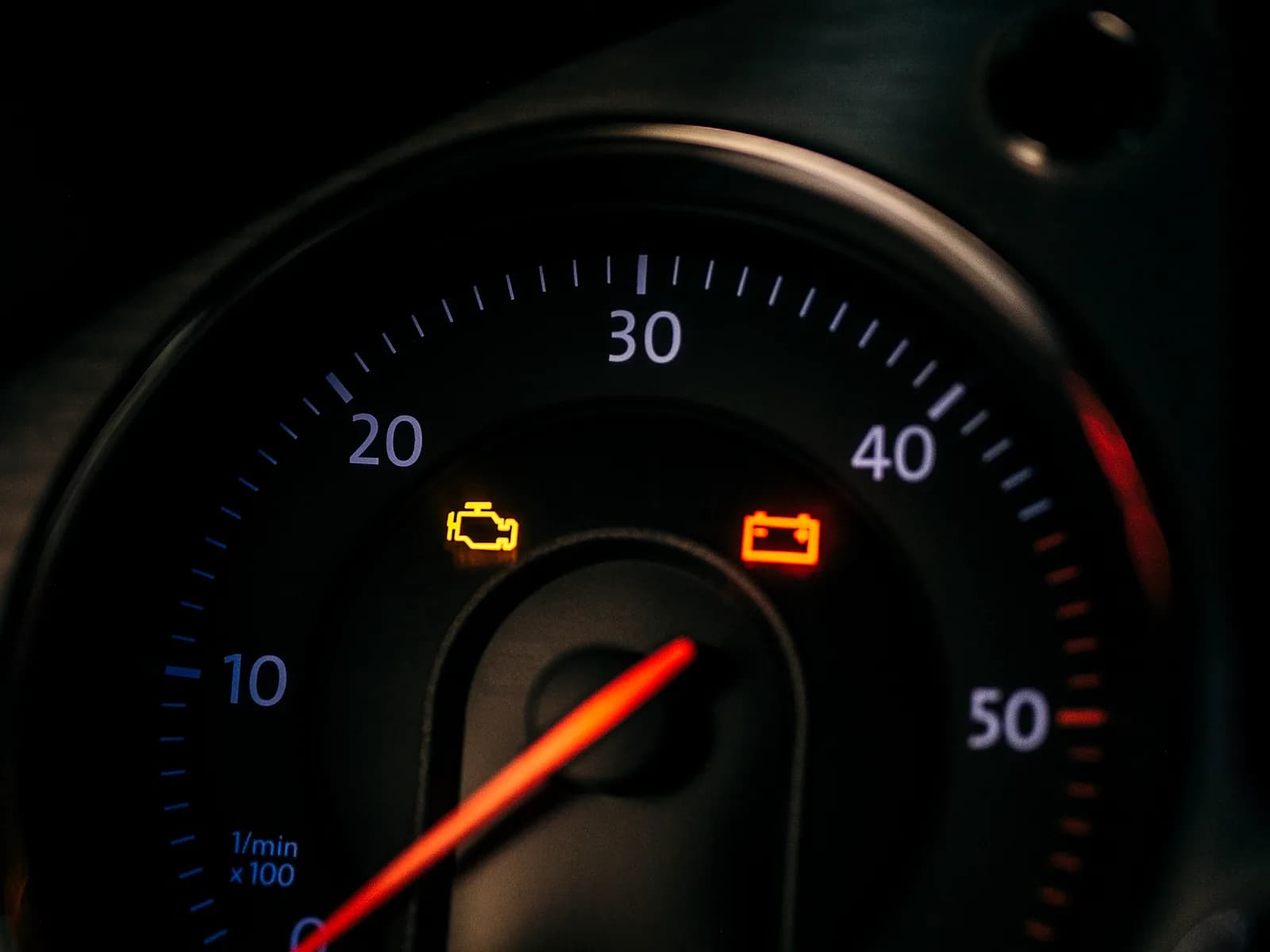
Can you drive with the engine light on
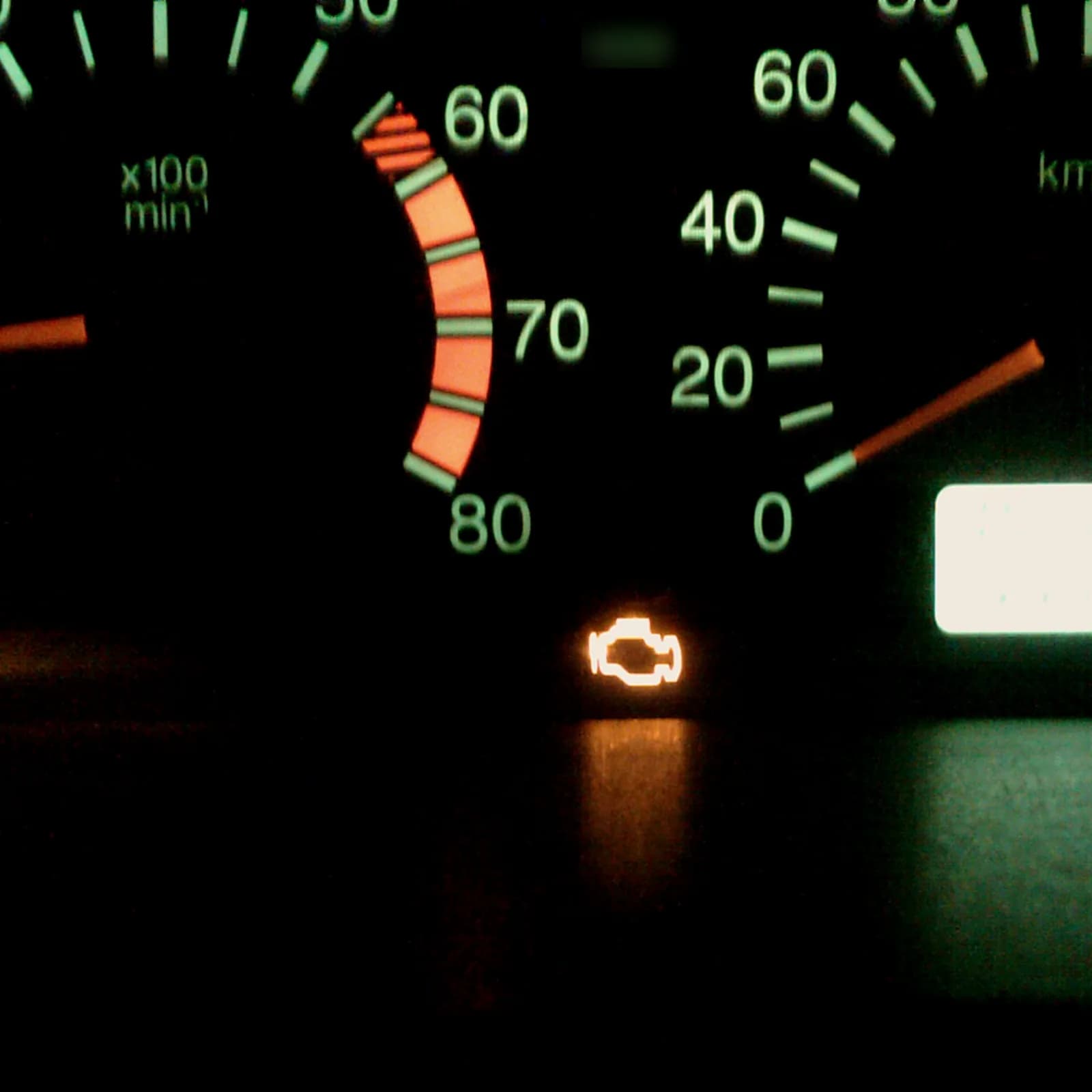
- The light stays on and the car runs as beforeYou can drive, but no long drives. Take the car for a check as soon as possible.
- The light is on and the car pulls weaker or jerksThe fault is already affecting how the engine runs. The light also comes on when the computer switches the engine to a backup mode. Take the car for a check as soon as possible.
- The light flashesThe engine is misfiring. Go for a check straight away. Until then drive slowly, without hard acceleration or hard braking. Avoid steep hills and carry as little load as you can. If after a while the light stops flashing and stays on, it still needs a check.
- The engine light is redRed means a serious fault. Stop as soon as it is safe and do not drive on.
- The red oil or temperature light is on as wellStop as soon as it is safe. A red light means you act straight away. More about the oil light
 The light comes on when you turn the key and goes out once the engine startsThat is not a fault. This is how the car checks that the light works.
What the engine light means
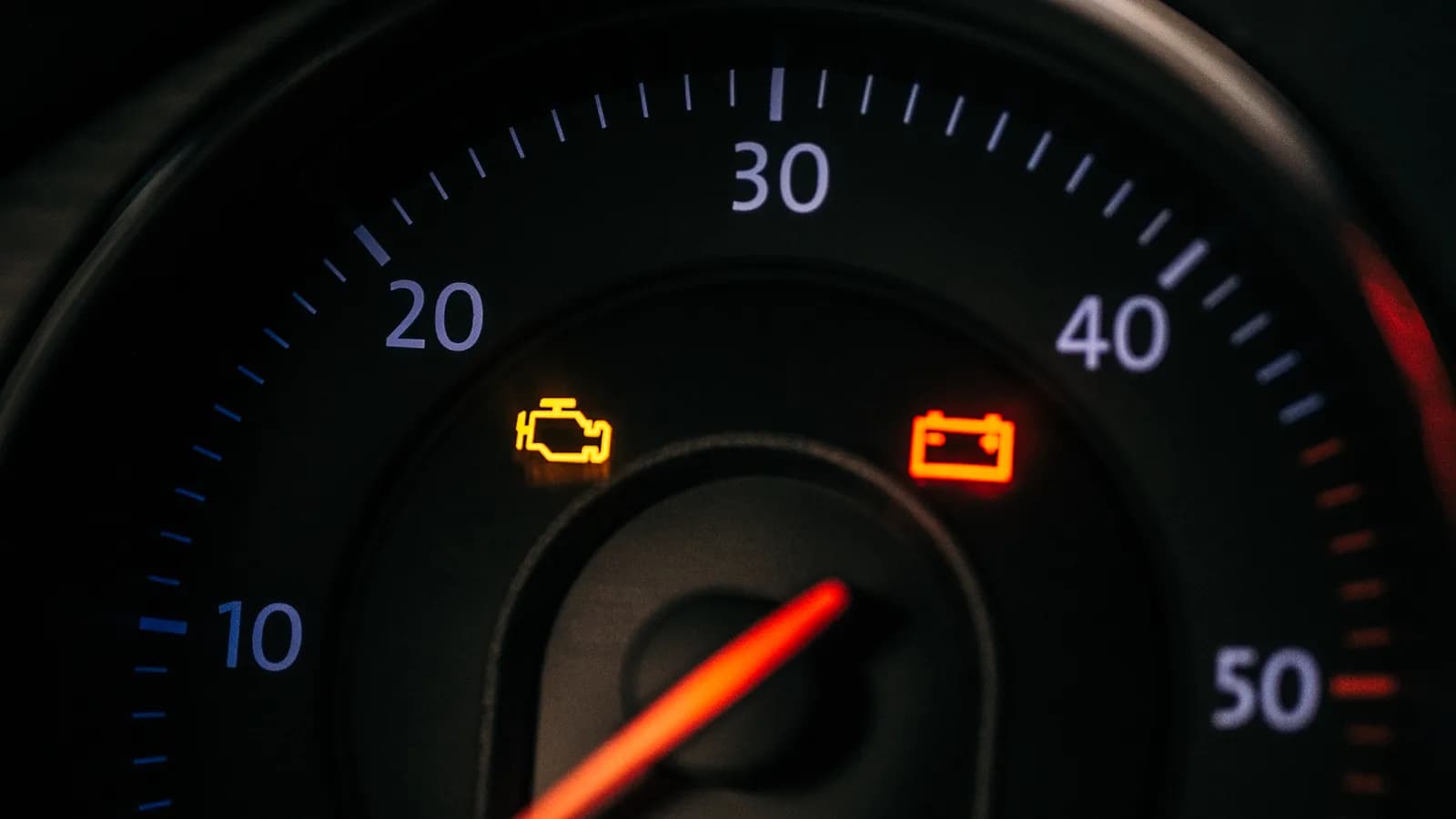
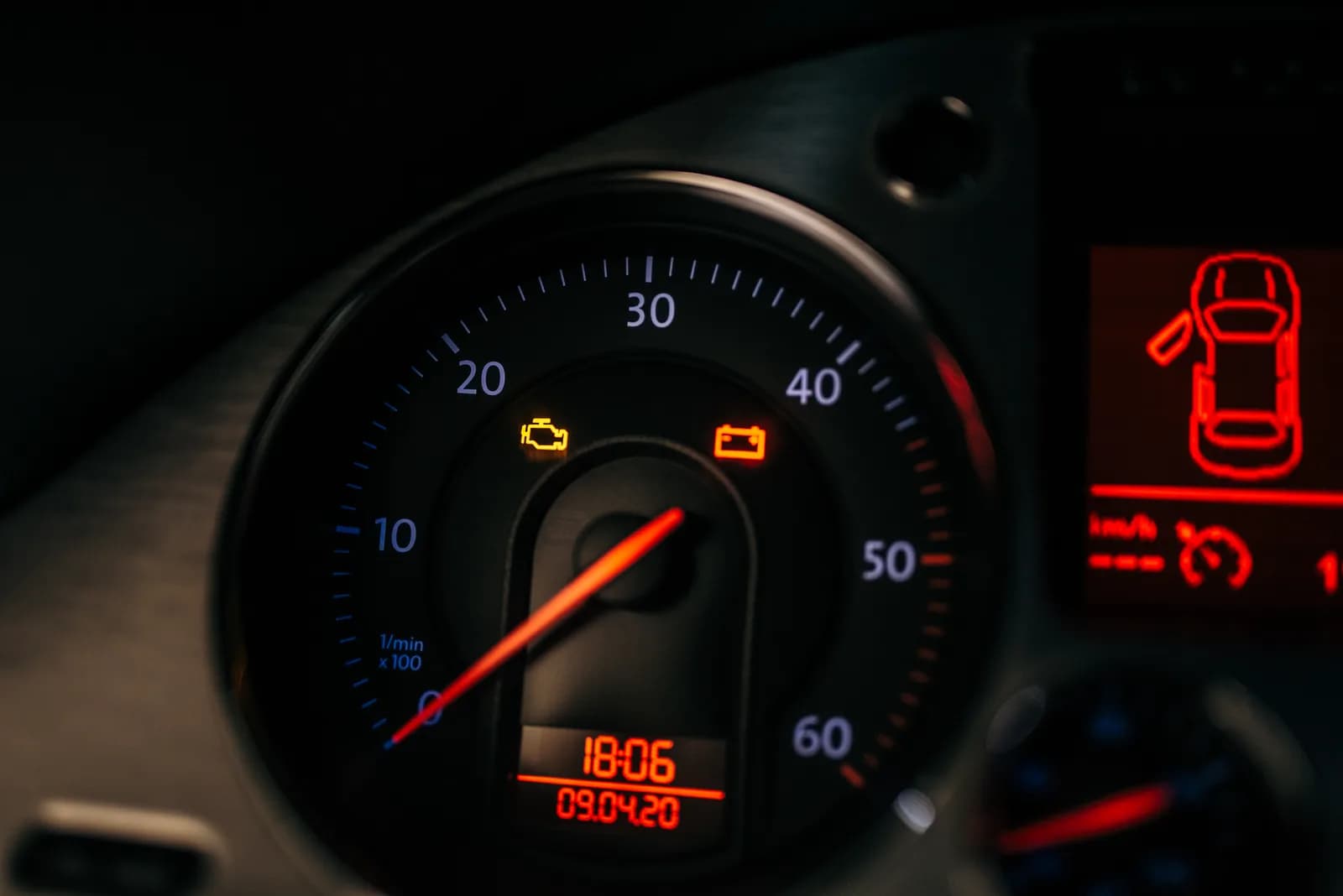
The engine computer constantly watches the engine and the parts that clean the exhaust, and when it finds a fault it turns on the light and stores the fault.
The light does not say what the fault is. The same sign comes on for a badly closed fuel cap and for a fault that damages the catalytic converter. That is why nobody knows how serious the fault is until we read it. More about dashboard lights
The most common causes
- A badly closed or wrong fuel cap.
- Spark plugs or ignition coils, which ignite the fuel in a petrol engine. The engine then misfires and shakes, and the light may flash.
- A faulty sensor, for example the mass airflow sensor or the lambda sensor.
- The EGR valve, which sends part of the exhaust gases back into the engine, or the injectors.
- The catalytic converter, or on a diesel the DPF filter, which traps soot, or the AdBlue system.
Many different faults turn on the light, so the symptom does not tell you which part is to blame.
What happens if you drive with the light on
The fault behind the light often raises fuel consumption, lowers engine power or makes the car jerk. The longer you drive with the fault, the bigger the chance it damages other parts too.
When the light flashes, the catalytic converter, the part that cleans the exhaust gases, is at risk, and replacing it is expensive. So go for a check straight away. More about car diagnostics
The engine light comes on and goes off
A light that comes on and goes off means the computer sees the fault only sometimes, under certain driving conditions.
The light goes out by itself when the computer does not see the same fault for several drives in a row. If it comes back after that, the fault has not been fixed.
How the fault is found
Along with the fault, the computer stores the state of the engine when it happened: revs, temperature and speed, so you can see when the fault appears. After the repair the light usually goes out by itself. Clearing the fault without a repair only turns it off for a while, because the fault stays.
The engine light and the technical inspection
At the technical inspection, the system that warns of a fault in the emissions equipment is checked through the OBD port. The Serbian rulebook on technical inspection requires this. The engine light is exactly that warning.
Whether the light is checked at the inspection depends on fuel and year
- Petrol: from 2001.
- Diesel: from 2004.
When the light is on, do not wait for the inspection. Have diagnostics done a few days before the inspection, so you know in time what needs fixing.
Do not clear the fault the day before the inspection. After clearing, the computer has to finish its checks again, which takes about a week of normal driving.
The same goes after the battery is replaced or disconnected. More about the technical inspection and OBD