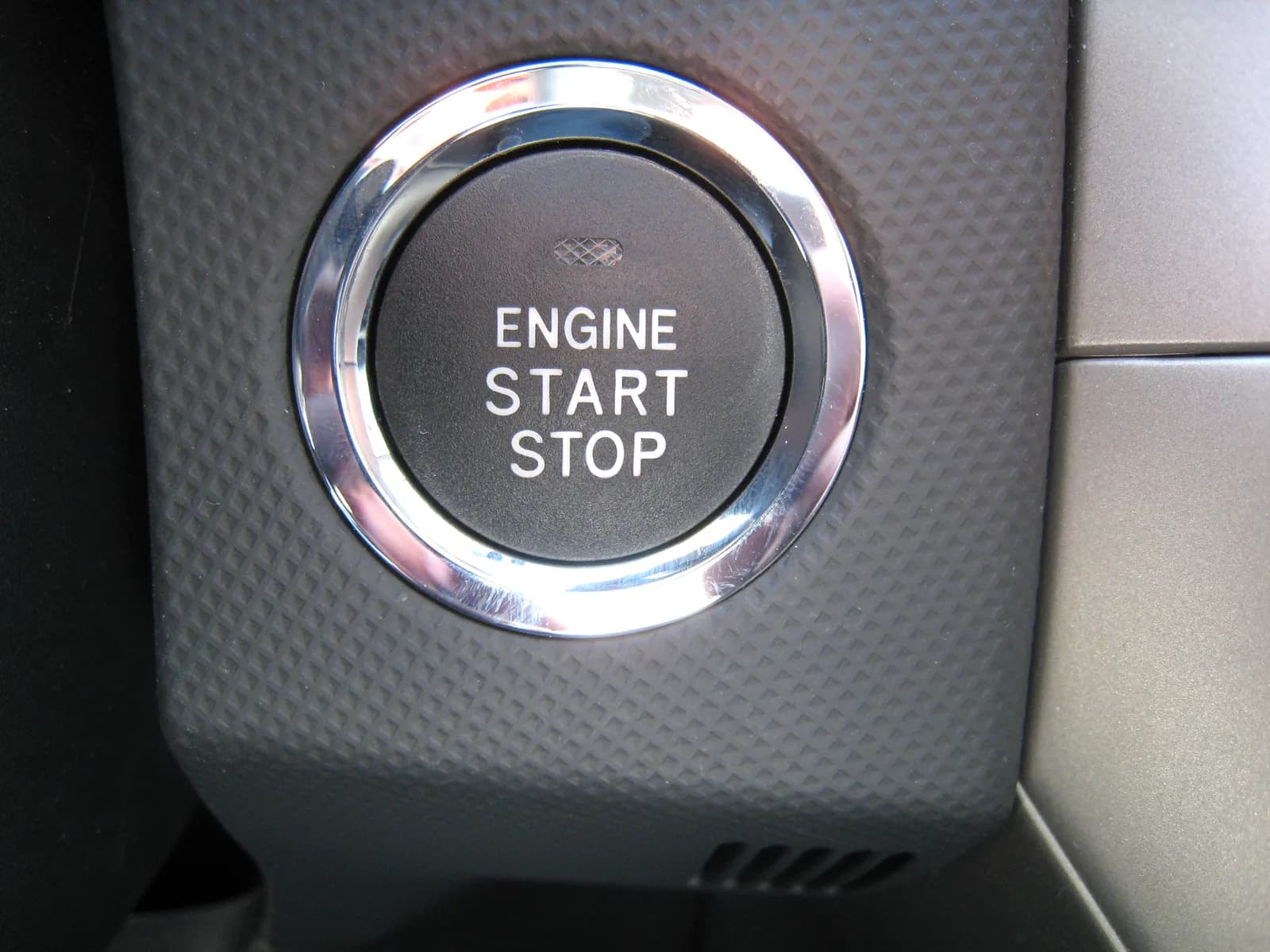
Car won’t start: does the engine crank or not
- Nothing happens and the dashboard does not light upThe battery is completely flat or a battery cable has come loose. Remote unlocking usually does not work either.
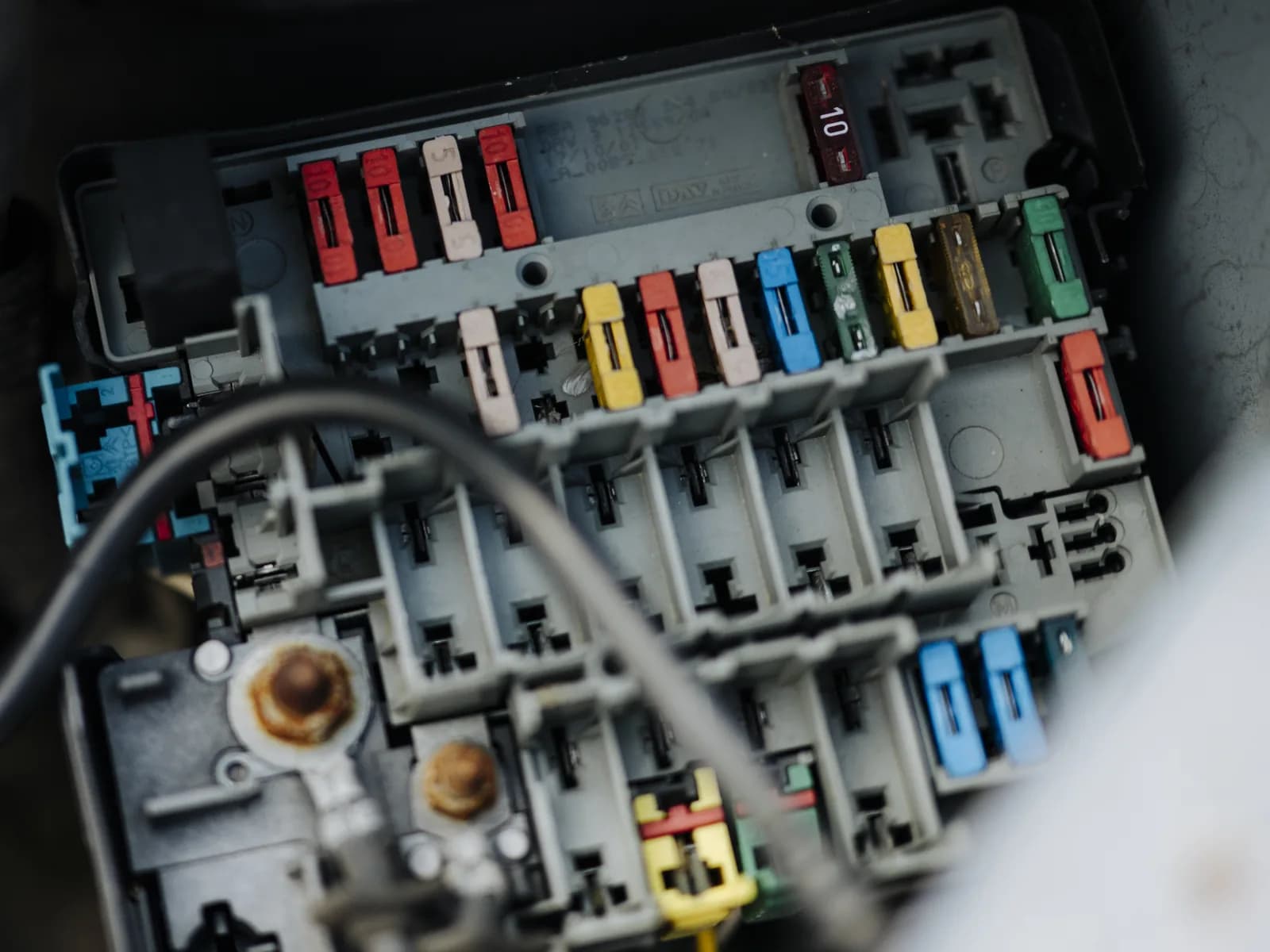 Nothing happens but the dashboard lights up normallyPower is not reaching the starter motor. The fault can be in the key lock or the start button, in a fuse or in the starter motor. Also check that you pressed the brake or the clutch all the way down.
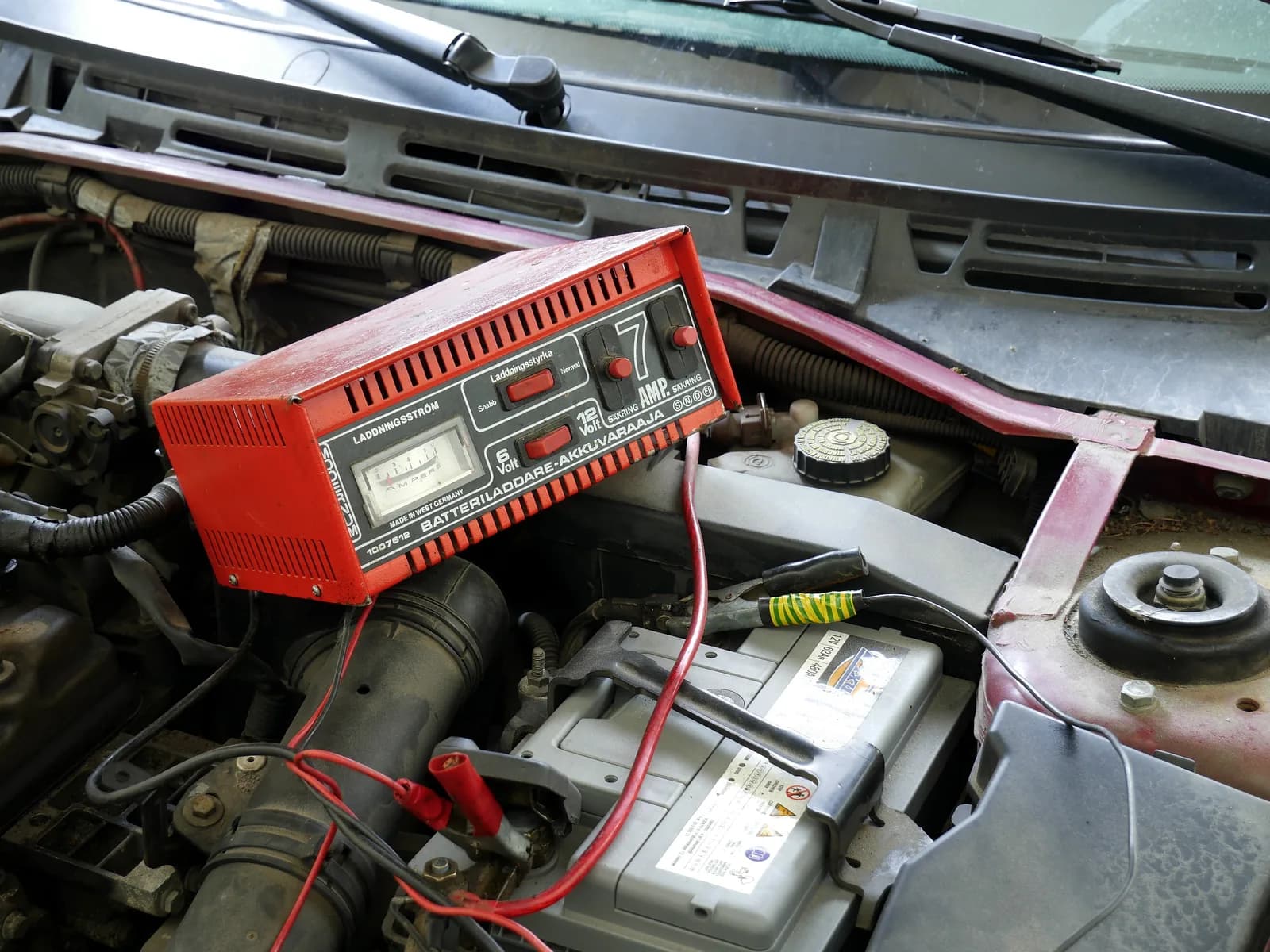 Rapid clickingThe battery is flat or weak, or it is not being charged by the alternator, the part that charges the battery while the engine runs.
- A single loud click while the dashboard lights up normallyThe fault is most often in the starter motor or its relay, and sometimes in a poor cable connection.
- The engine cranks normally but does not startThe car has power, and the problem is most often fuel or ignition.
- The engine starts and dies straight awayThe car does not recognise the key, the engine is flooded, or there is a fault in the fuel injection.
Check this before you call
- See whether the dashboard lights up normally. If it is dim or dark, the battery is most often flat.
- See how much fuel there is. Without fuel the engine cranks but does not start.
- If the key will not turn, the steering is locked. Turn the wheel slightly left and right while turning the key. Do not force the key, because it can break.
- On an automatic, put the lever in P and press the brake all the way down. On a manual, press the clutch all the way down.
- See whether the key light on the dashboard is on or flashing. It looks like a key or like a car with a key inside. If it is on, try the spare key.
- Do not crank for more than 10 seconds, and wait 5 to 10 seconds between attempts. Cranking over and over can damage the starter motor and drain the battery.
A flat battery is the most common cause
A battery goes flat when something is left on, when the car stands for a long time, when the battery is old or when the alternator does not charge it. It also goes flat when a part draws power while the car is switched off.
If the battery is new and goes flat again, we check whether the alternator charges it and measure what draws power while the car is switched off. Without that, batteries get replaced one after another and the fault stays. More about why a battery goes flat
When the starter motor or a cable is to blame
The starter motor is the electric motor that turns the engine while you start the car. When it is faulty, you hear a single loud click or nothing, and the dashboard lights up normally. The car then will not start even with jump leads.
A blown fuse and a loose or corroded cable connection give the same signs. So we first check the battery and the connections, and only then the starter motor.
A starter motor can often be repaired, and when a repair is not worth it, a new one is fitted. More about the auto electrician
A cable chewed by martens or mice can turn on a dashboard light or stop the car from starting. More about marten protection
Car won’t start but has power: the engine cranks but does not start
When the engine cranks normally, the battery and the starter motor work. The engine is then not getting fuel, the ignition is not working, or the car does not recognise the key.
- The fuel gauge is near emptyThe car has run out of fuel. If fuel runs out but the gauge shows there is some, the gauge is not reading correctly.
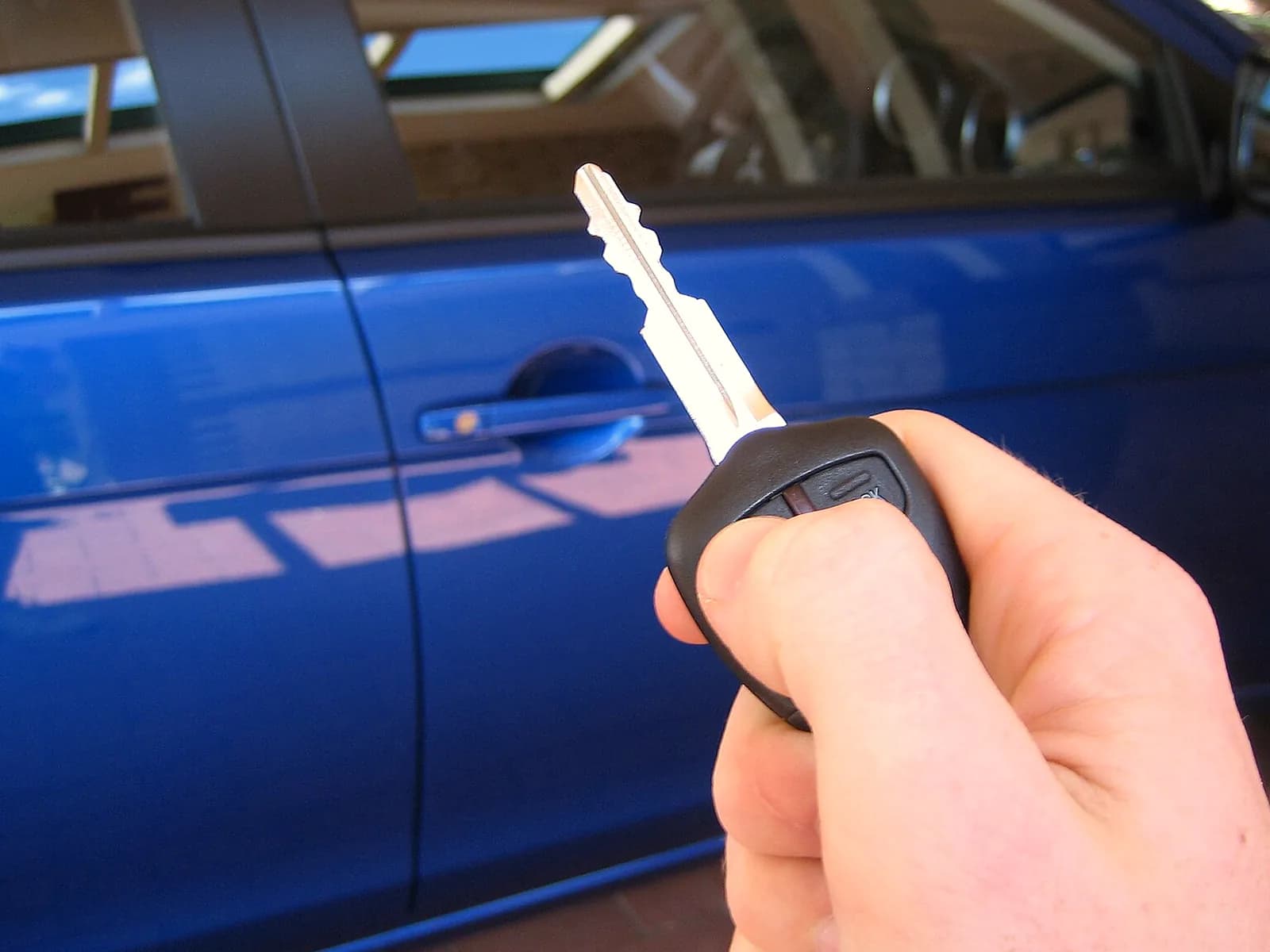
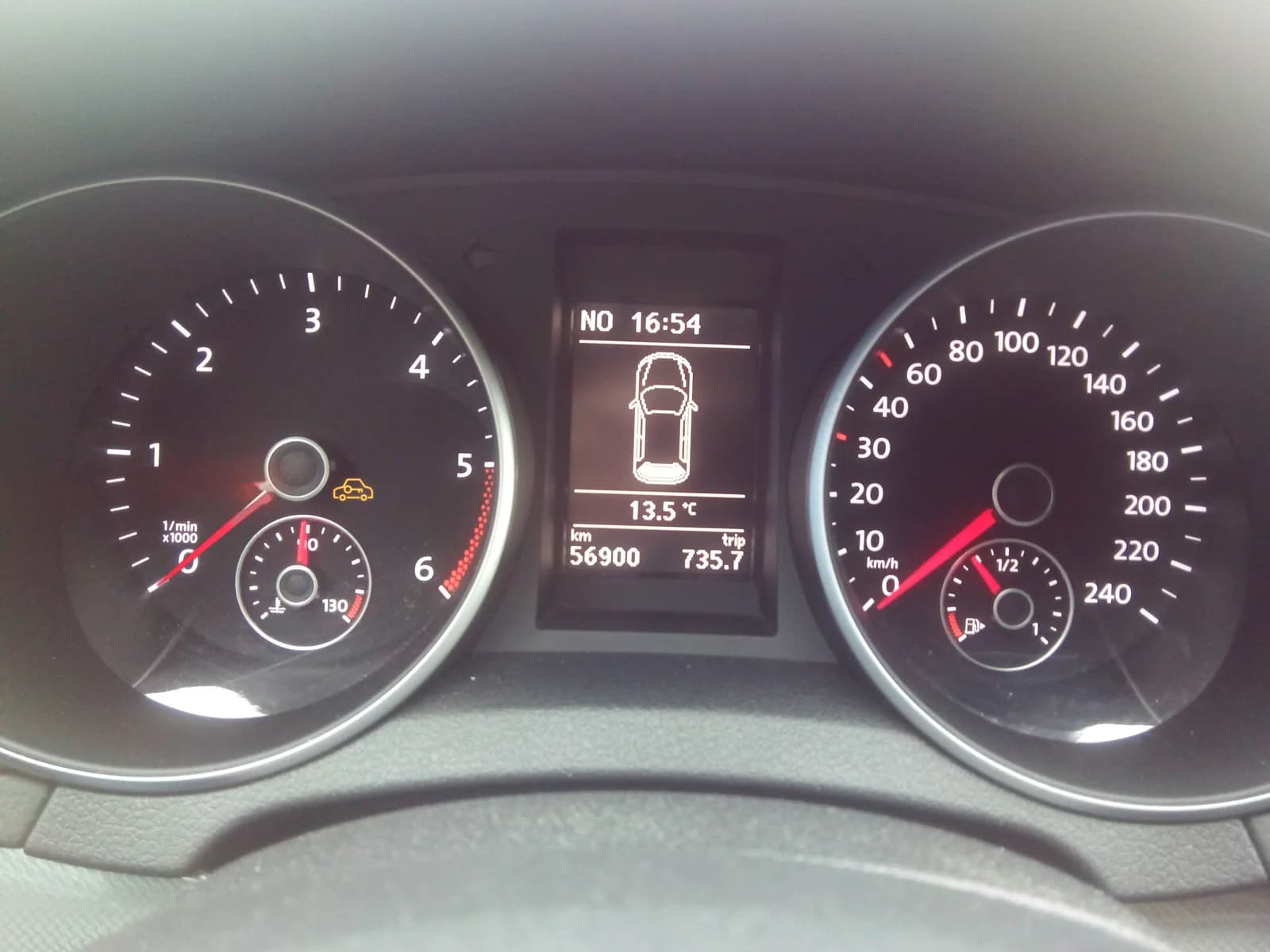 The key light is on or flashingThe car does not recognise the key. On a car with a start button, the cause can be a flat battery in the key, especially when the lock button does not work either. Then press the start button with the key itself. With a classic key the chip needs no battery, so the key starts the car even with a flat battery. More about when keyless does not work
- A petrol engine cranks very fast and smells of petrolThe engine is flooded. This happens when a cold engine is started and switched off after a few metres. On newer cars this is rare.
- A diesel that uses AdBlueWhen the AdBlue runs out, the engine cannot be restarted after it is switched off. Before that, the dashboard warns you with a countdown, so you have time to top up. Some cars will not start even after a top-up until it is cleared by computer.
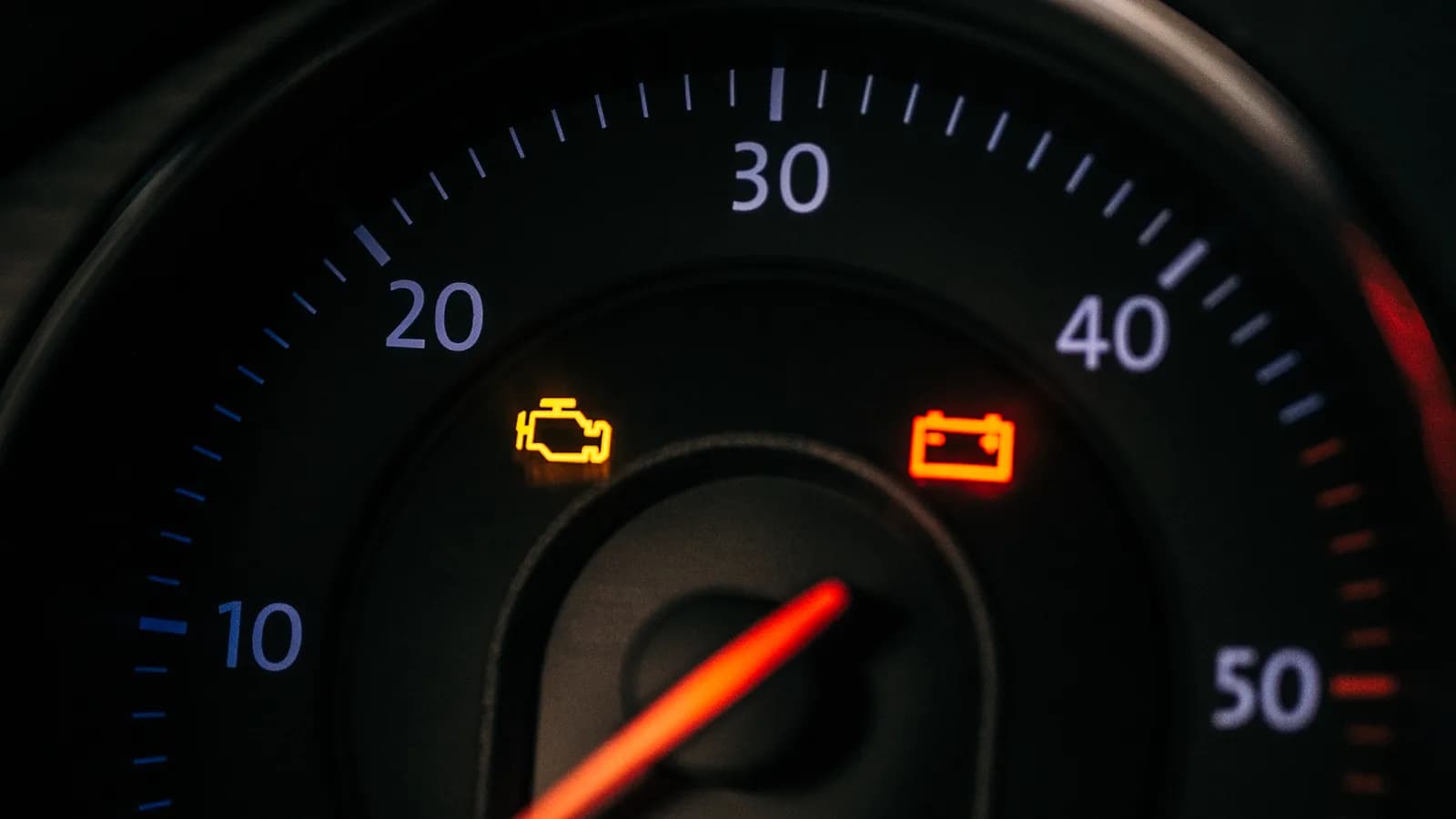
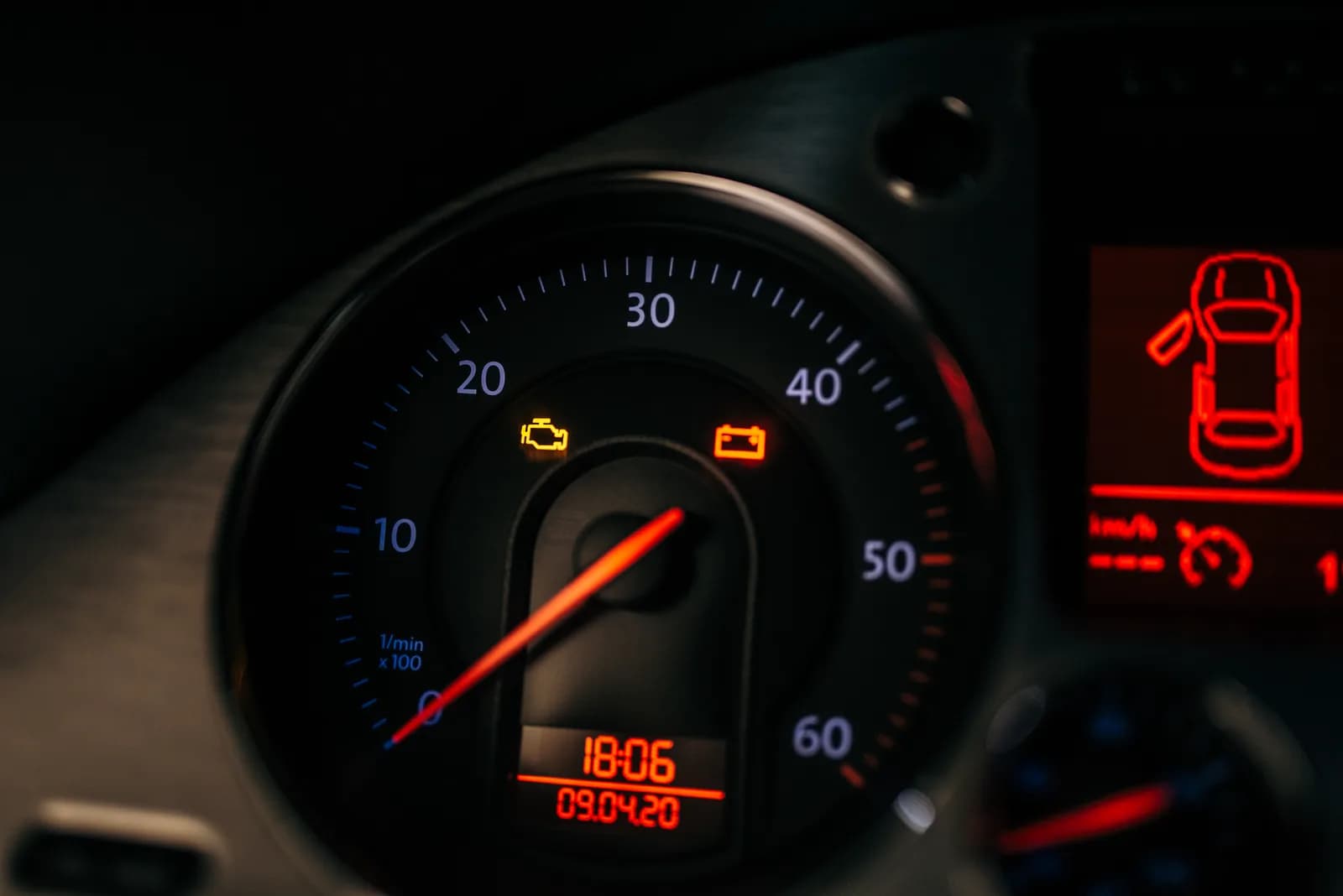
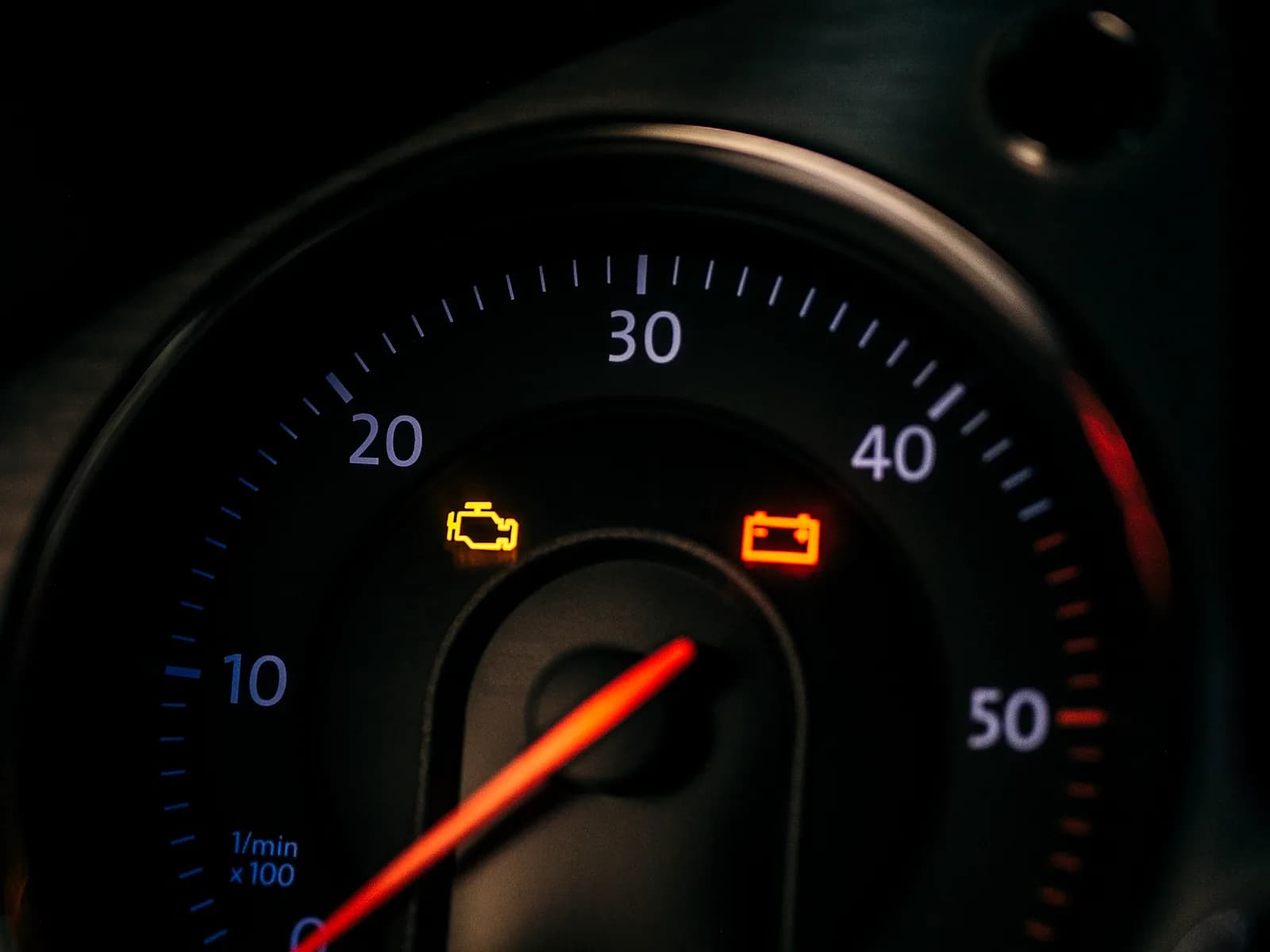
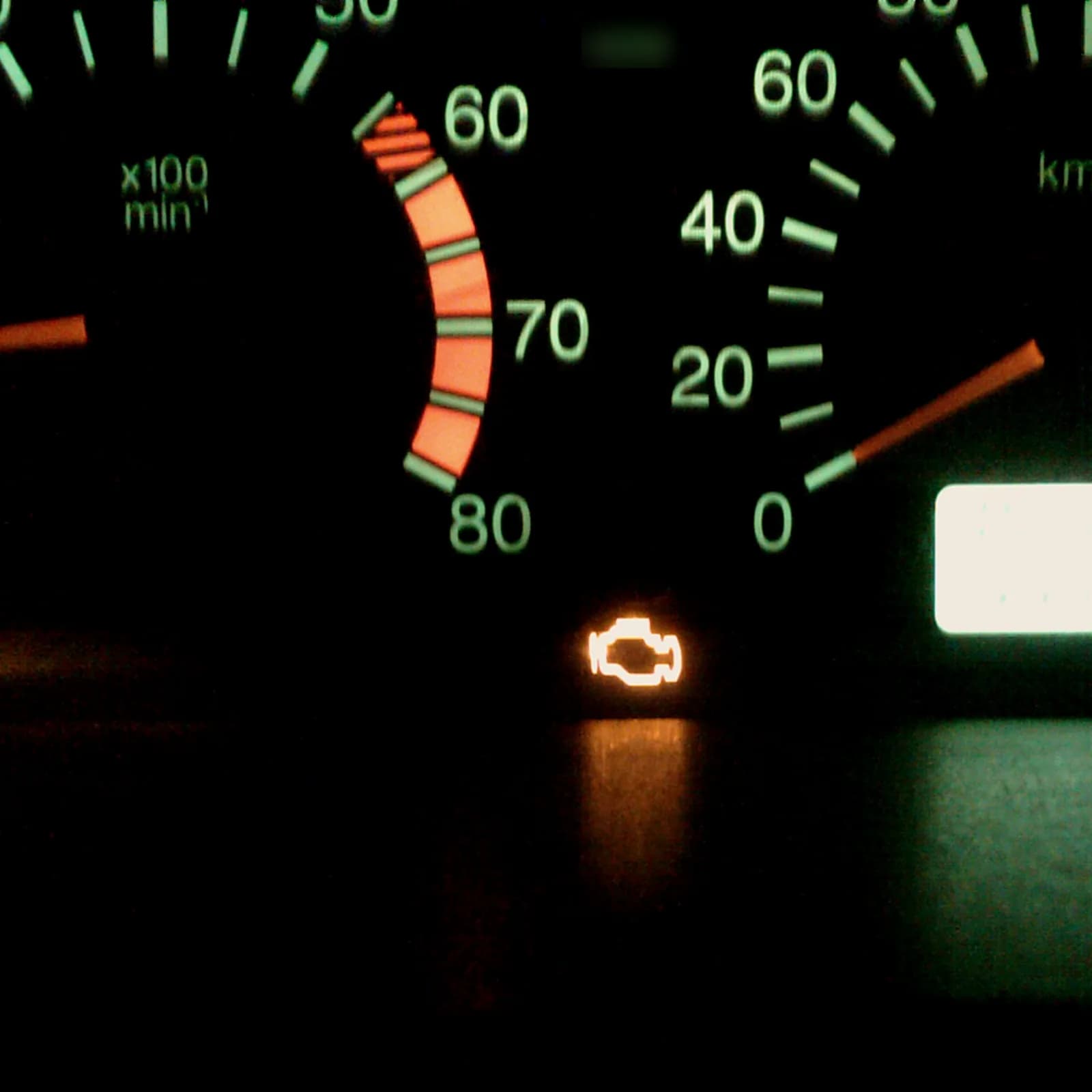 The engine light is onThe computer has stored a fault. With diagnostics we read it and see which part the fault is in. More about the engine light
- There is fuel and everything looks fineThe fault can be in the fuel pump or filter, the spark plugs, or the sensor that tells the computer the engine is turning. From that sensor the computer knows when to inject fuel and fire the spark plugs. When the sensor fails, the engine will not start or it stalls.
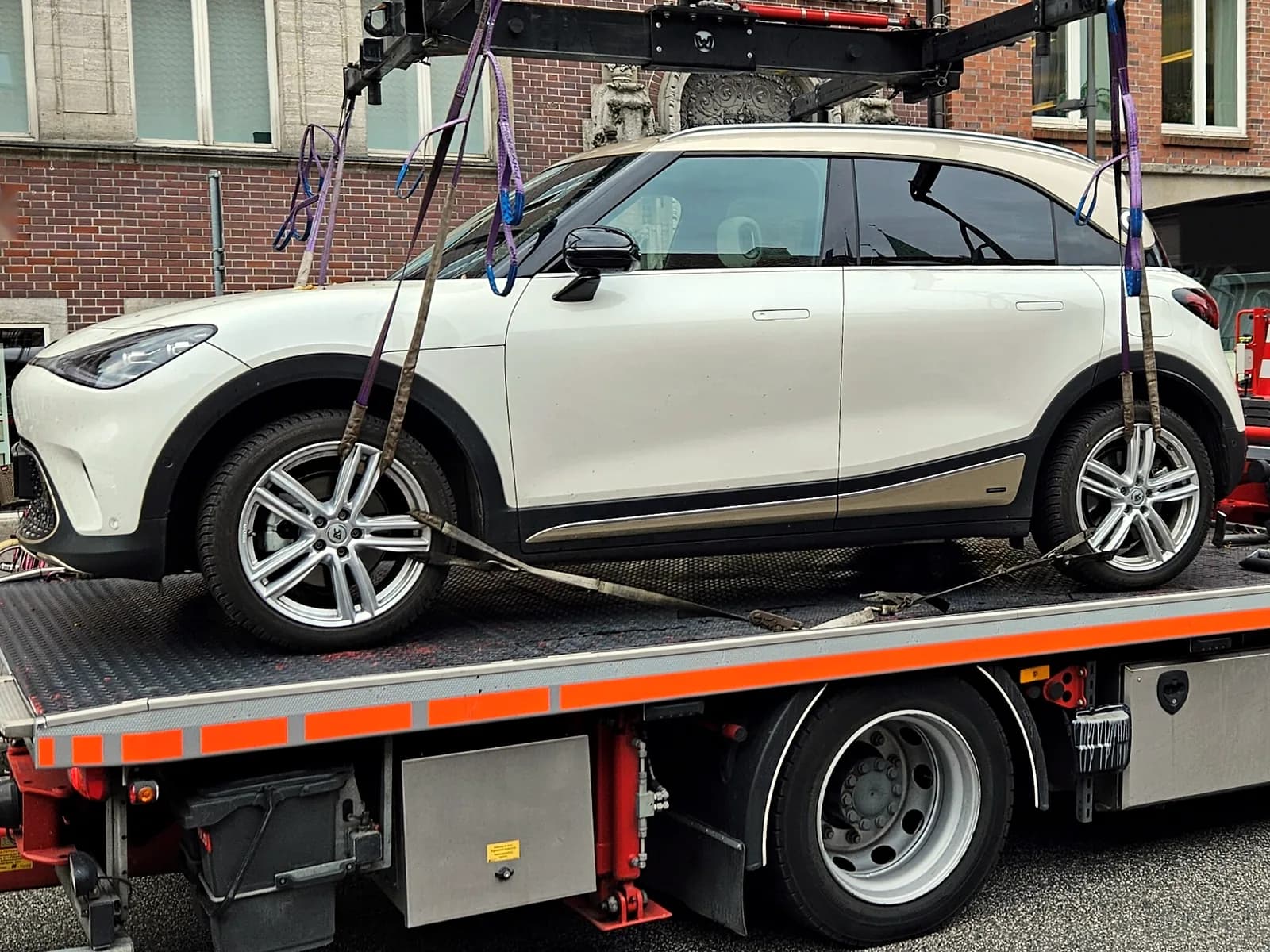
Put in the wrong fuel? Do not start the engine or switch on the ignition. When the ignition is on, the pump pushes the wrong fuel through the system and damages the pump and the lines. The fuel must be drained before starting, so the car goes to the garage on a tow truck. More about the towing service
If the engine starts and dies after a second, and the key light is on, the immobiliser does not recognise the key. The immobiliser is protection that stops the engine from starting without the right key. When the spare key does not start the car either, the fault is in the car, not in the key. More about when the car won't start because of the immobiliser
Car won't start first time
If the engine cranks slower than usual and only starts on the second or third try, the battery is getting weak and lacks the power to turn it. Each time it starts a little harder, until one morning it does not start. With a check we see how much life the battery has left, so we fit a new one before the old one leaves you stranded. More about mobile battery replacement
If the engine cranks normally but still needs several tries, with computer diagnostics we see which part reports a fault. If the car has recently spluttered or you heard a whine, the problem may be in the fuel supply.
Why won't the car start when it is cold?
In the cold the most common cause is the battery. Cold slows it down, so it gives less current and holds its charge less well. An old or weak battery that started the car in summer goes flat quickly in the cold, and the car does not start. More about the battery in winter
On a diesel, turn the key to the position where the dashboard lights come on. Wait for the glow plug light, a yellow coil on the dashboard, to go out, and only then start. If the light is flashing, the glow plugs are not working properly. More about the glow plug light
Diesel thickens in severe cold and flows less freely. Water in the fuel can freeze and block the narrow fuel lines. The engine then cranks but gets no fuel.
Why won't the car start when it is hot?
When the car starts normally in the morning but not after a drive and a short stop, the fault only appears under certain conditions. That is why it is hard to guess.
Along with a fault, the computer also stores the state of the engine when it happened: revs, engine temperature and speed. This shows us whether the fault appears only with a warm engine. The sensor that tells the computer the engine is turning can fail from time to time, and then the engine will not start or it stalls. With computer diagnostics we follow the engine data while it runs and see which part reports a fault.
How we find out why the car won't start
We do not guess the fault, we check in order, starting with the most common cause: the battery and charging, then the faults from every computer and whether the car recognises the key. We check a part before it is replaced, because a broken cable gives the same fault as a faulty sensor.
When the car needs to go to a garage, we tow it there. More about the towing service