Why the battery weakens in winter
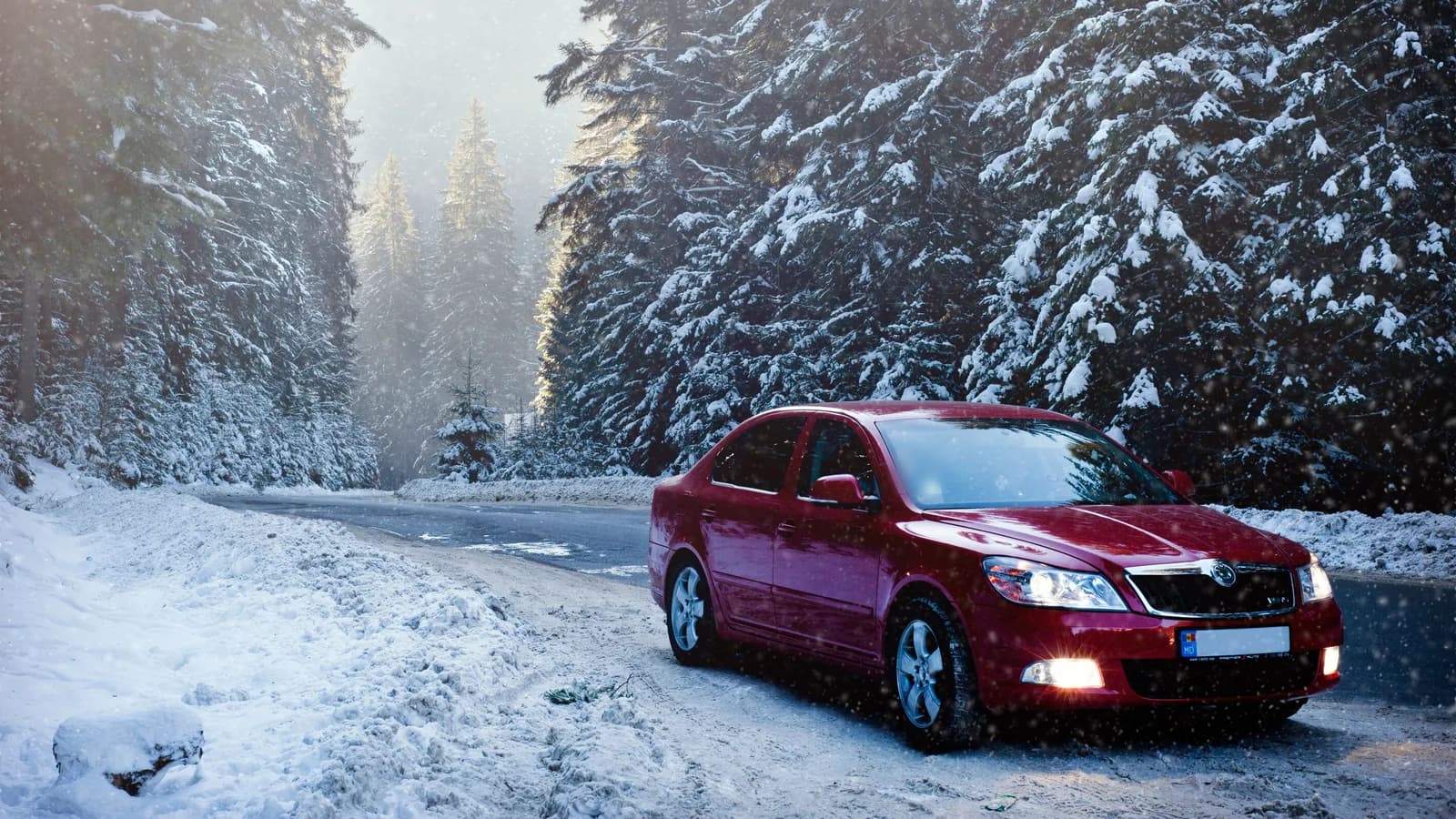
Cold slows down the chemical processes in the battery. So the battery gives less current and holds its charge less well. At 0 °C a battery is about 35% weaker than in warm weather, and at -18 °C about 60% weaker.
At the same time the engine needs more power. Oil is thicker in the cold, so the starter motor turns the engine with more effort and draws more from the battery. The starter motor is the part that uses power from the battery to turn the engine when you start the car.
Serbia has many cold mornings. According to RHMZ, the Serbian weather service, in January 2026 the temperature fell below zero on 16 days in Niš and on 27 days in Požega.
In winter the car also uses more power, because the heating, heated windows and seats, lights and wipers are on more often. With everything switched on, in most cars the alternator cannot keep up with charging the battery as well. The alternator is the part that charges the battery while the engine runs. On short trips it does not charge it fully.
A flat battery can freeze already at around 0 °C, a full one only at around -57 °C. A frozen battery usually does not work after it thaws, and if it does, it is weaker and does not last as long. Such a battery is replaced.
Signs the battery is weak
- The engine cranks more slowly than usual, especially in the morningThe battery does not give the starter motor enough current. In the cold you can hear it even more.
- Rapid clicking when you try to startThe battery is flat or the alternator is not charging it.
- The lights are dimmer or flicker, and the windows move more slowlyThe battery no longer gives enough current for the devices in the car.
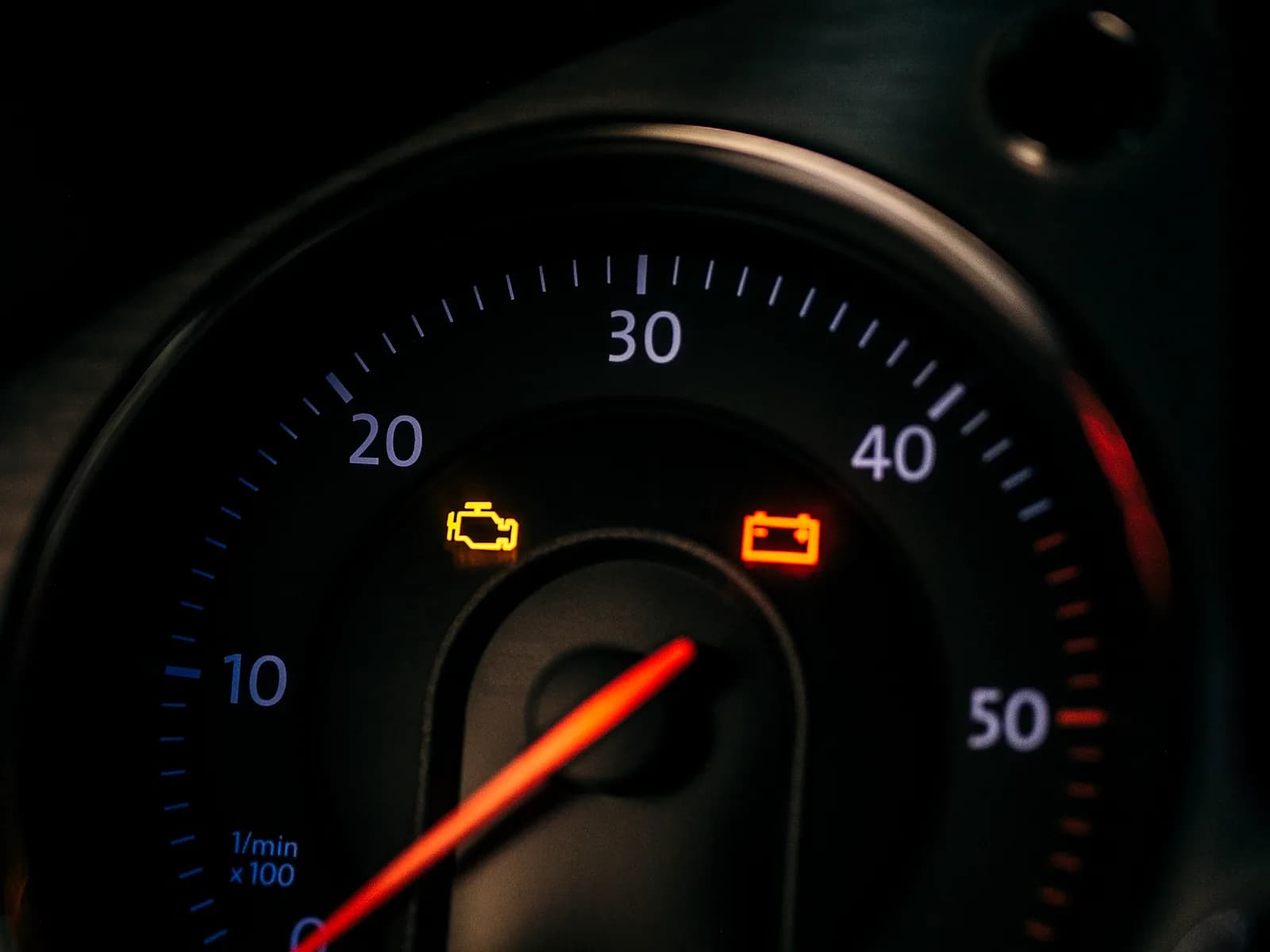
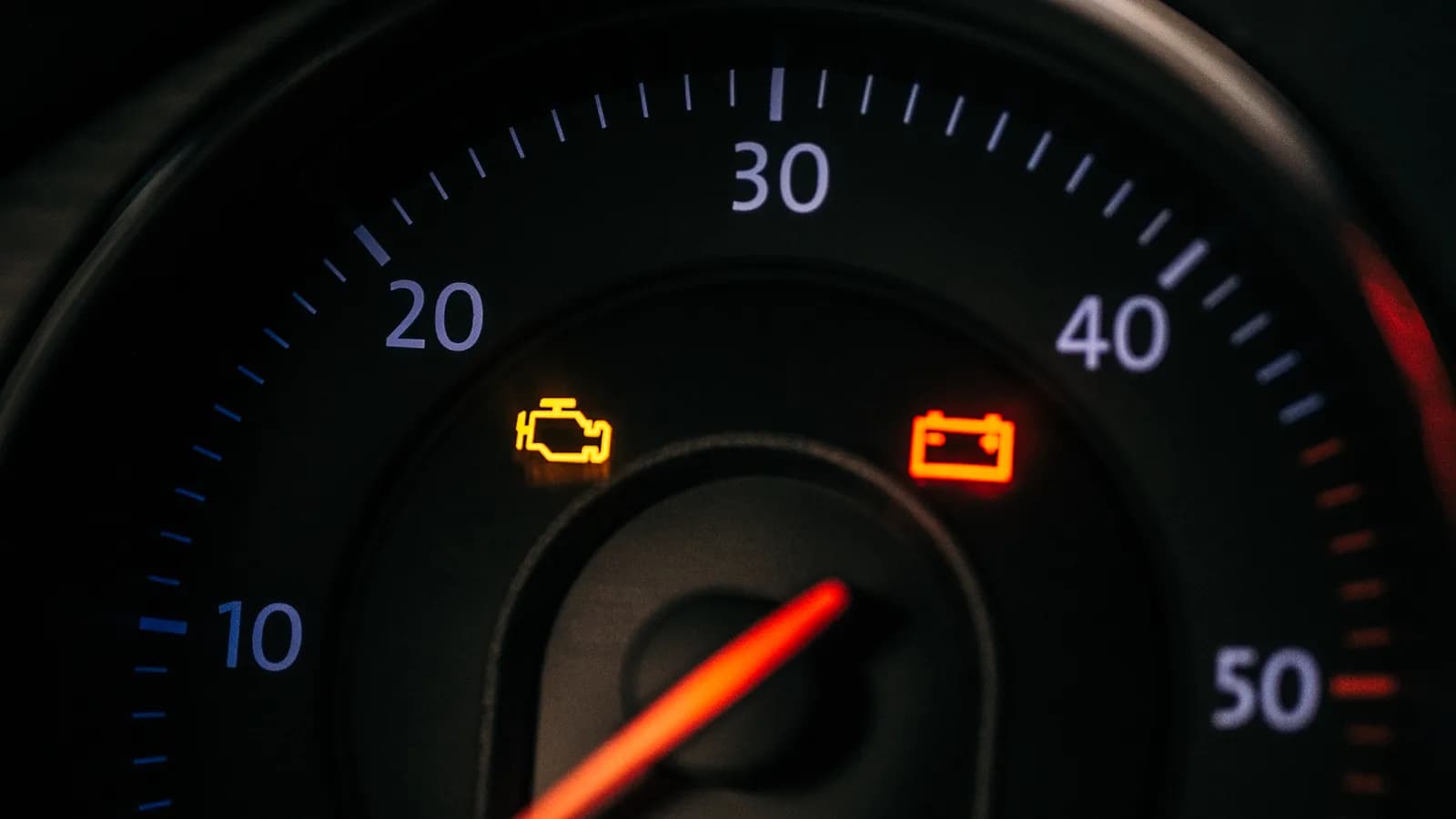 The battery warning light is onThe battery is not being charged while the engine runs. More about the battery warning light
- Start-stop has not switched the engine off at traffic lights for daysThe car's computer switches start-stop off when the battery charge is low. One day without start-stop does not mean the battery is weak: it also stays off when it is too cold or too hot outside.
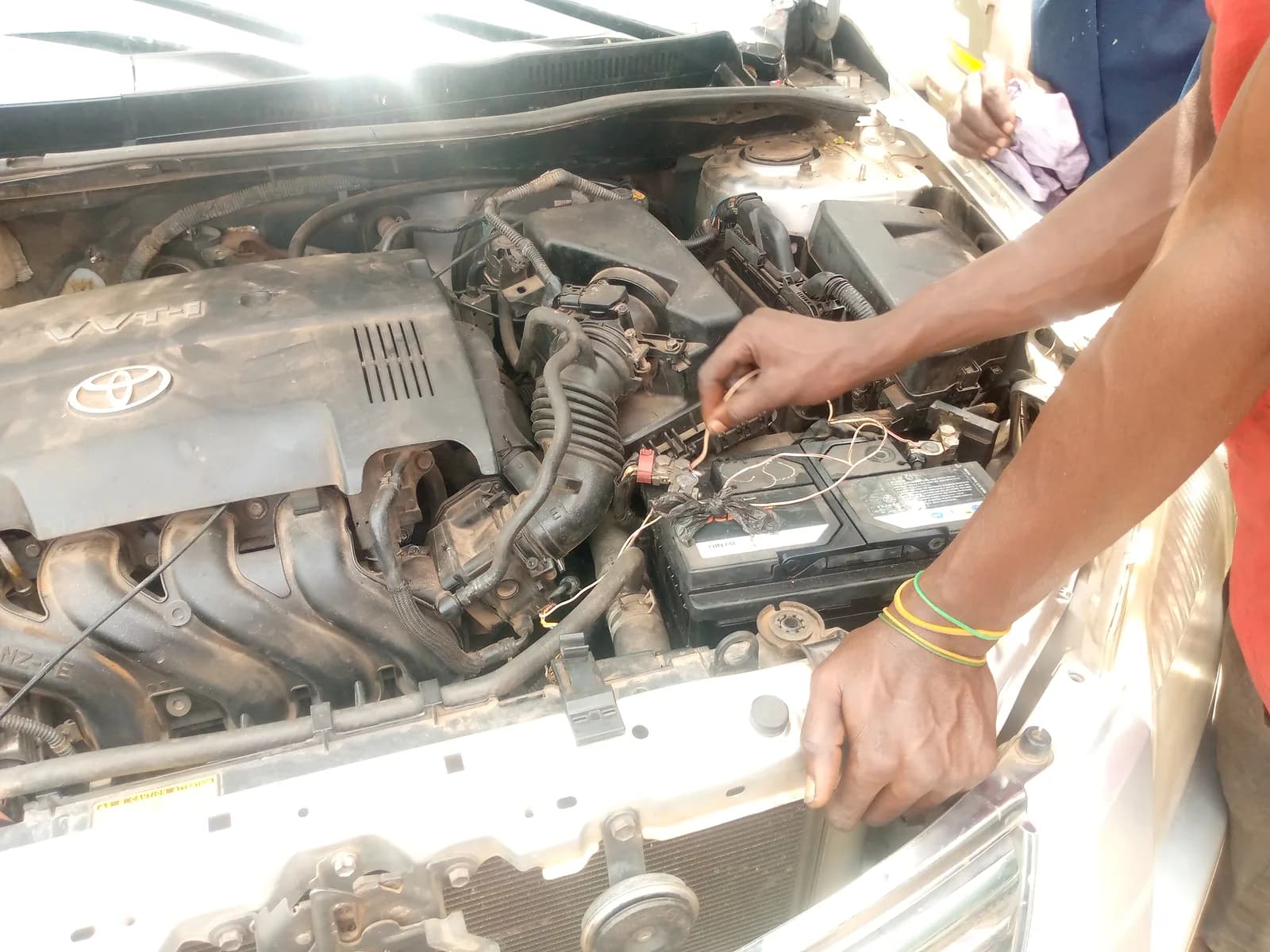
- The battery is swollen, leaking or has deposits on the terminalsA swollen or leaking battery is damaged inside. The terminals are the two points on the battery where the cables are connected. Crusty deposits on the terminals are corrosion and get in the way of the current.
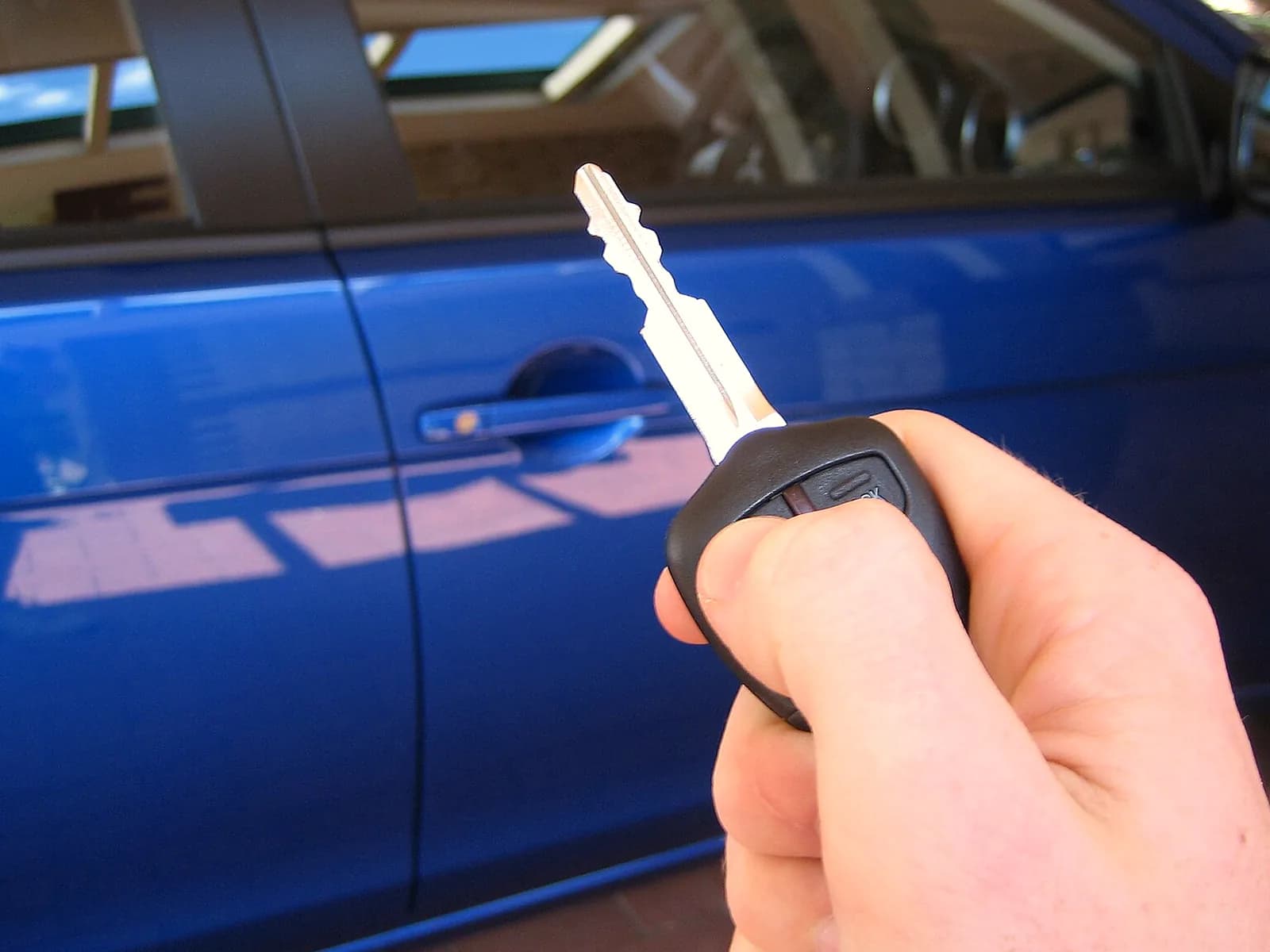
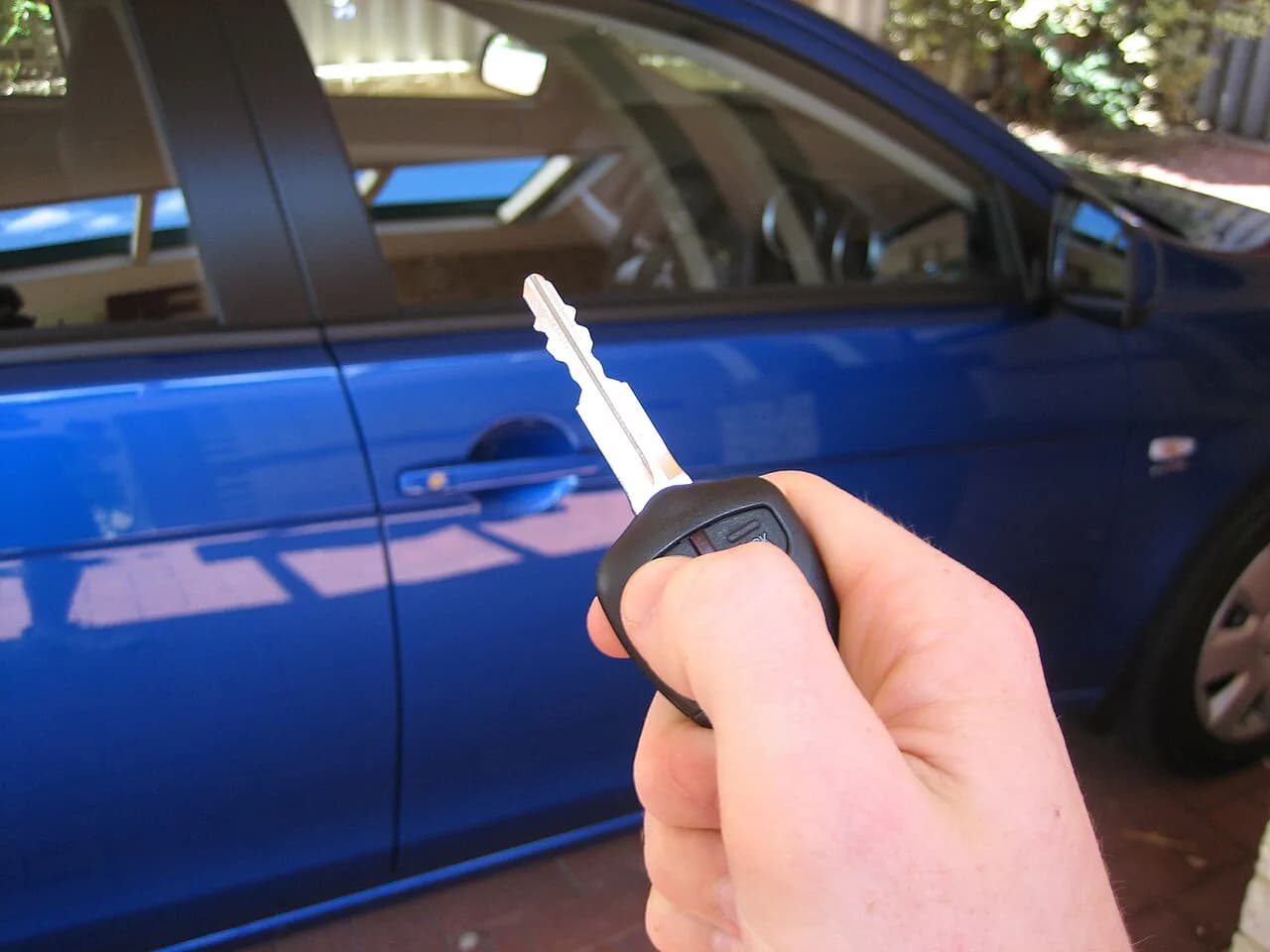 The dashboard lights do not come on and the car will not unlock with the remoteThe battery is completely flat.
If the car won't start in the morning
The car won't start in the morning: it depends on what you hear
- Rapid clicking or nothing at all: the battery is most likely flat.
- The dashboard lights work normally and you only hear a click: the fault is more often in the starter motor.
More about why a car won't start
Before you try again, switch off the lights, heating and radio. In a car with a manual gearbox, press the clutch while you start. This makes it easier for the battery to turn the engine.
Jump-starting gets the car going, but it does not fix the battery. When the battery needs replacing, we come with a new one and replace it where the car is parked. More about car battery replacement
Jump leads connected in the wrong order can damage the electronics in the car and the battery. A battery that is swollen, cracked or leaking is not jump-started.
Once the car starts, drive for at least 30 minutes, away from heavy traffic, so the battery gets some charge back. If the car starts with jump leads and dies straight away, the alternator is probably not charging the battery.
A new battery: the same type and registered in the car's computer
A new battery should be the same type as the factory one and at least the same capacity. A car with start-stop has an EFB or AGM battery. A standard battery in such a car wears out faster and fails early. More about choosing a car battery
On many newer cars a new battery has to be registered in the car's computer. If it is not registered, the computer does not know the battery is new and does not use it to its full power. Start-stop may then stop working, and the car uses more fuel.
Do not buy a new battery before the alternator is checked: if the alternator is not charging, it will drain the new one too. More about alternator repair
Why the battery goes flat
A battery goes flat when a light or a device was left on, when it is old or when the alternator does not charge it. If it goes flat overnight and nothing was left on, something is drawing power while the car is parked. More about why a battery goes flat
How to protect the battery in winter
- Before switching off the engine, turn off the lights, heating, wipers and radio. That way the next start does not draw more from the battery than it has to.
- Heated windows and seats: switch them off as soon as you no longer need them. They draw a lot from the battery.
- When you get out of the car, check that the cabin and boot lights are off. Unplug the phone charger.
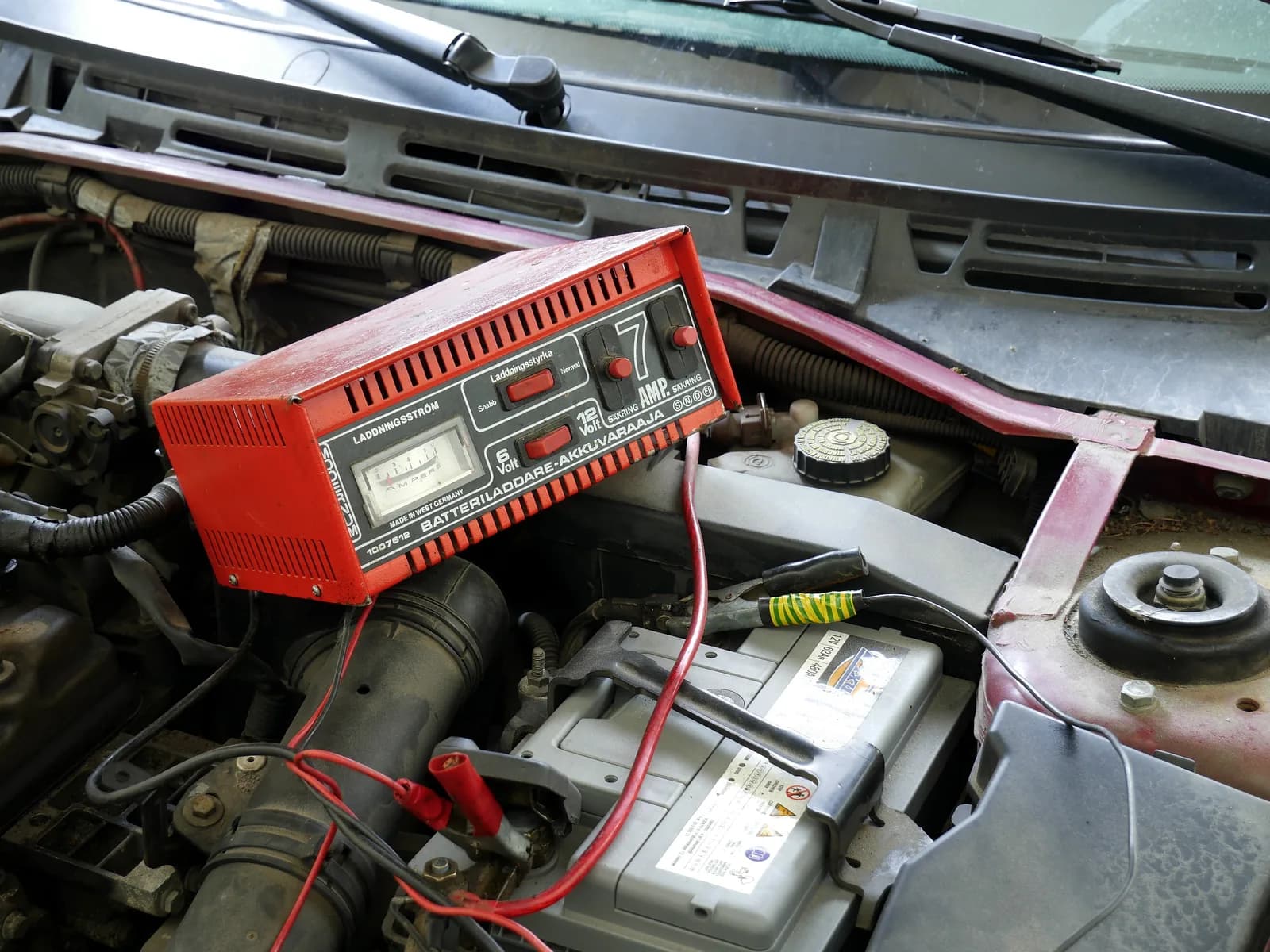
- If you only drive short distances, top the battery up with a charger once a week, especially if it is older than 3 years.
- If the car stands for weeks, keep it on a smart charger. It can stay connected for a long time without harming the battery. The battery drains even while the car is parked.
- Battery terminals should be clean and tight. Corrosion gets in the way of the current.
- Garage: park the car in one when you can, especially in hard frost.
More about getting the car ready for winter