1. Battery: the most common winter fault
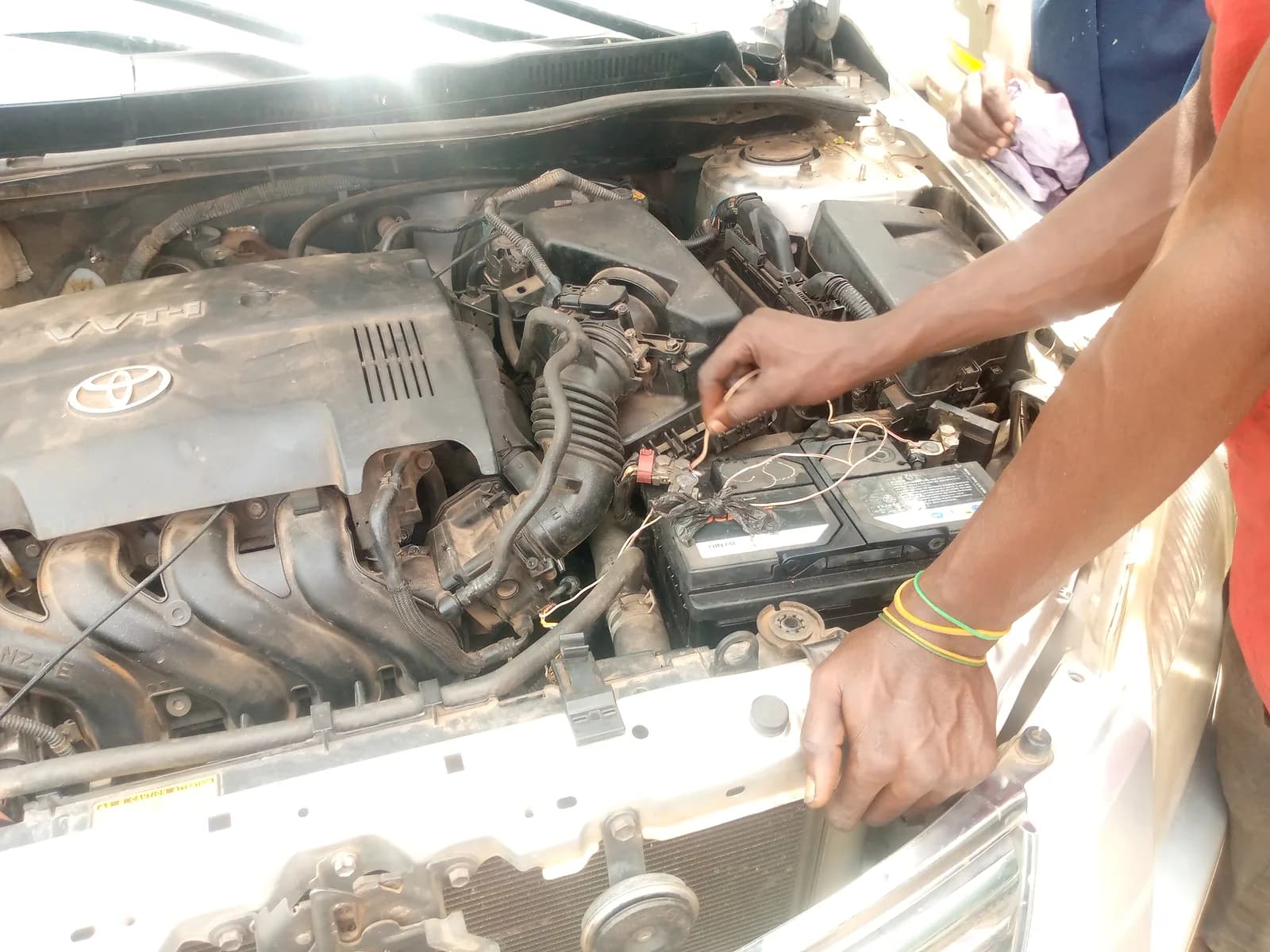
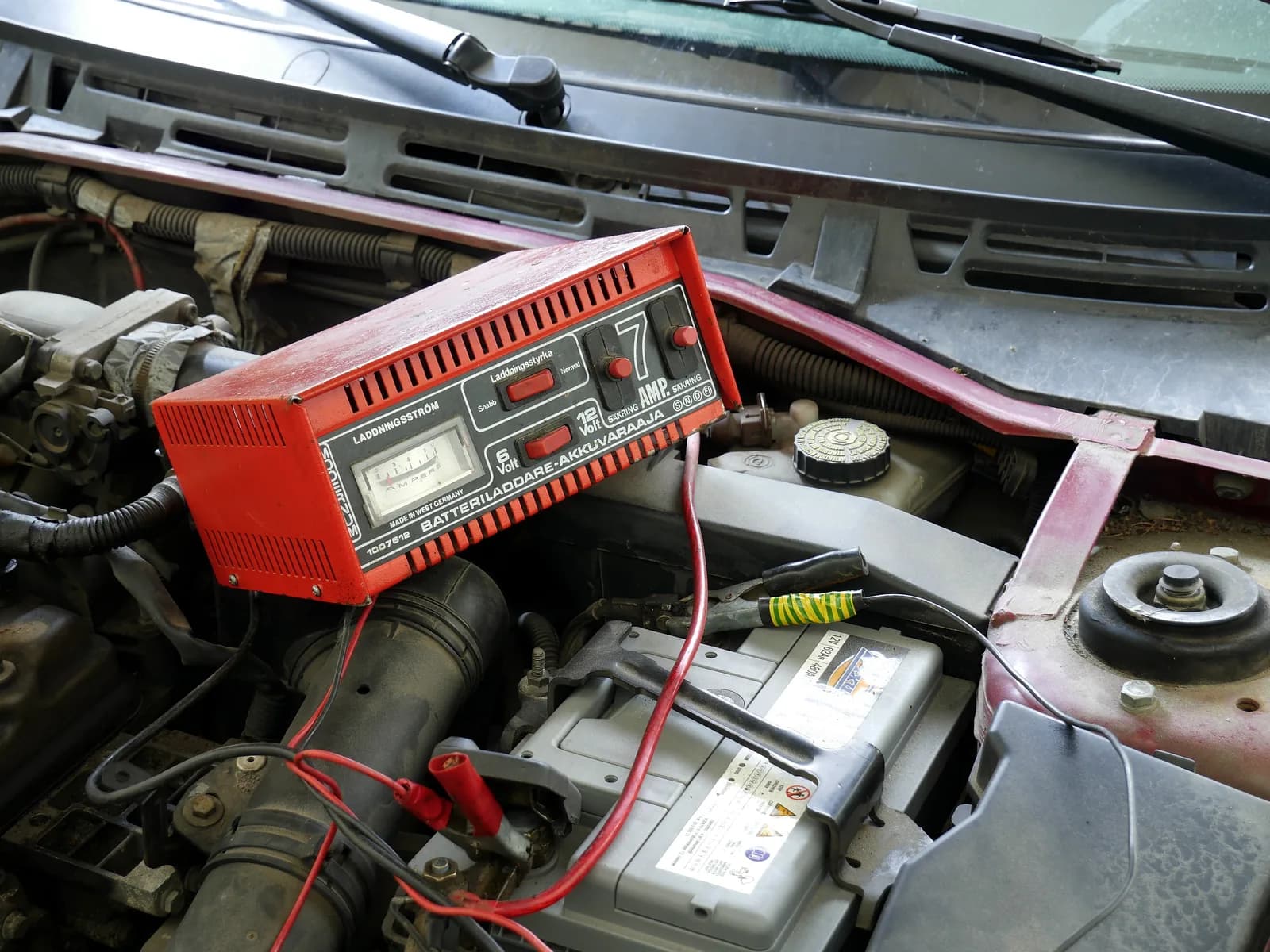
In the cold a battery gives less current, and a cold engine needs more power to start. So a weak battery that worked all summer fails to start the car on the first cold morning.
A battery usually lasts 3 to 5 years. Have it checked before winter if it is older than 3 years or if the engine cranks slower than usual in the morning. We replace a weak battery where the car is parked. More about car battery replacement
More about the battery in winter
2. Dashboard warning lights: have the fault read before the frost
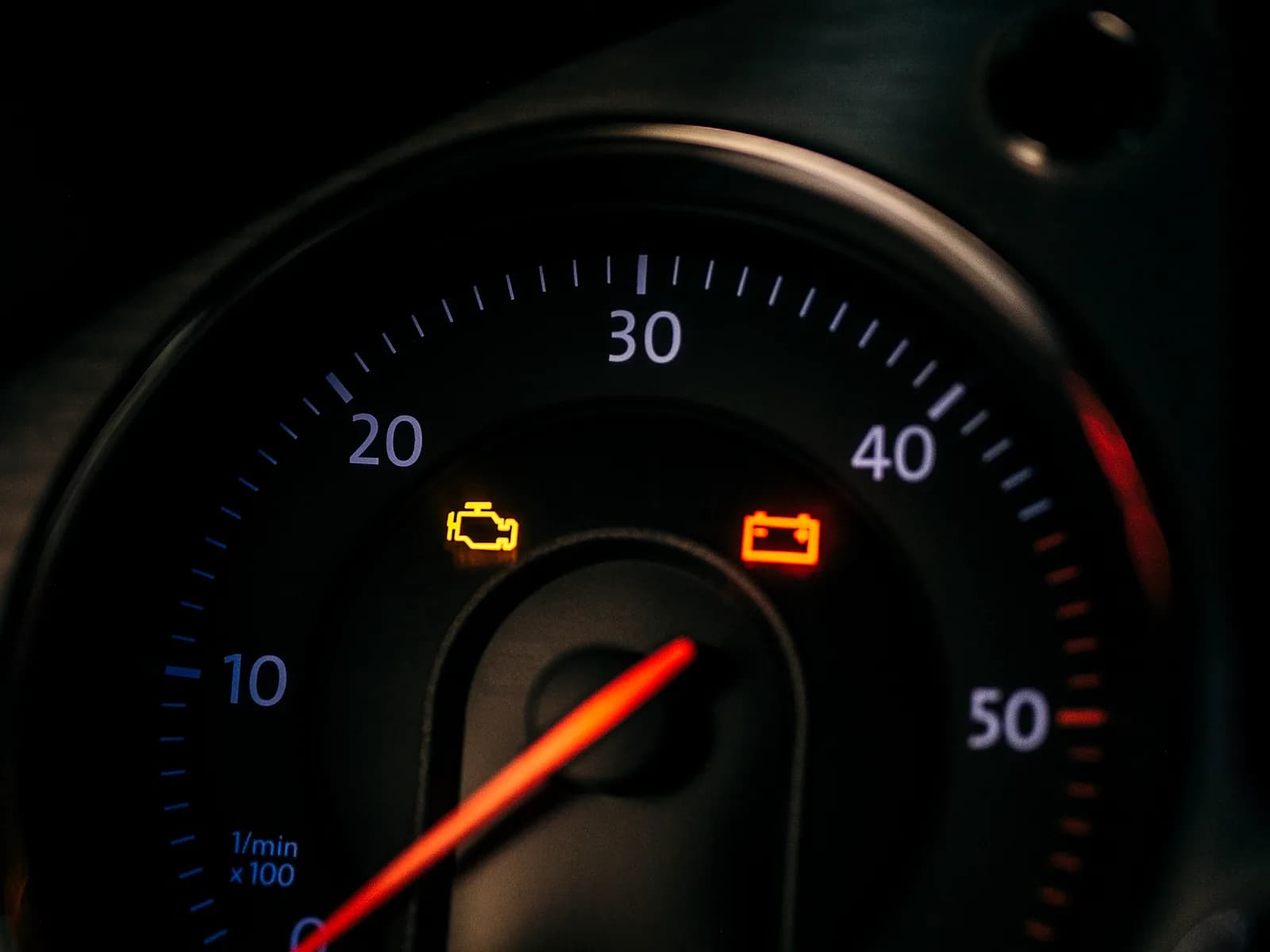
A yellow light that stays on while the engine is running means the car needs a check as soon as possible. A red one means a serious fault.
Do not drive into winter with a warning light on, because over time the fault can damage other parts too.
The light only tells you which system has a problem. The cause is shown by the fault the car computer has stored, so parts are not changed by guesswork. More about car diagnostics
More about dashboard warning lights
3. Tyres: winter tyres on all 4 wheels
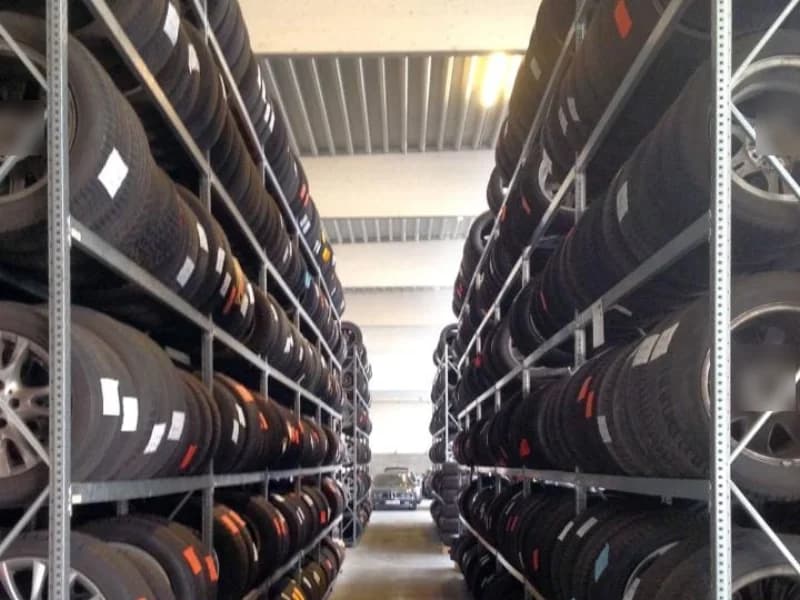
From 1 November to 1 April a car must have winter tyres when there is snow, ice or black ice on the road. A winter tyre has a marking, for example M+S, and at least 4 mm of tread.
Fit winter tyres as soon as the temperature drops below 7 °C, even when the road is dry. According to the Road Traffic Safety Agency, a summer tyre then grips the road less. The braking distance with a summer tyre is up to 2 times longer than with a winter tyre.
Fit winter tyres on all 4 wheels. With them only at the front, the car skids more easily and slides in a bend. With them only at the back, the front tyres lose grip in a bend and the car carries straight on. More about tyre change
When it gets colder, tyre pressure drops. Check it every 2 weeks, in the morning, while the tyres are cold. The pressure for your car is written on the driver's door, on the fuel filler flap or in the owner's manual.
Inspect tyres older than 5 years carefully every year, when you swap summer and winter tyres. More about winter tyres and the law
4. Antifreeze: the level and the right type
Antifreeze keeps the fluid in the engine from freezing. If that fluid freezes in winter, it can damage the engine.
On most cars antifreeze is in a clear plastic tank under the bonnet. Check the level when the engine is cold, at least 30 minutes after switching it off. The fluid should be between the MIN and MAX marks on the tank. Do not open the cap while the engine is warm, because hot fluid under pressure can scald you.
Top up with the antifreeze named in the owner's manual. G11 and G12 are never mixed, because together the fluid can form lumps that block the channels in the engine. Add plain water only in an emergency, until the next check, because diluted fluid can freeze in winter.
If the level keeps dropping, the fluid is leaking somewhere, and the cooling system needs checking before winter. More about G11, G12 and G13 antifreeze
5. Oil: the level on the dipstick
Park the car on level ground and wait for the engine to cool. Open the bonnet and find the oil dipstick. If you don't know where it is, the car's manual shows it. Some newer cars have no dipstick, and the oil level is measured electronically.
- Pull out the dipstick and wipe it with a cloth.
- Push it all the way back in, then pull it out again.
- Look where the oil reaches. The dipstick has two marks, MIN and MAX. The oil should be at least halfway between them, but not above MAX.
If oil is low, top up with the oil named in the manual, through the cap on the engine that usually has a picture of an oil can. Pour a little at a time and check the dipstick after each top-up, because too much oil also damages the engine.
6. Wipers and screenwash
In winter rain, snow, ice and salt quickly make the windscreen dirty. Spray some washer fluid and see whether the wipers clean the glass. Run a finger along the rubber of the blade: if it is cracked, replace the blade. It is a good idea to replace the blades every 12 months.
Fill the tank with winter screenwash that does not freeze down to at least -15 °C.
7. Lights and indicators
Check that all lights and indicators work. Replace a blown bulb or fuse before winter. The brake lights must work, so the driver behind you can brake in time.
8. Winter kit in the boot
- Snow chains. In winter, outside built-up areas, they must be in the car. They go on the wheels the engine drives, where a sign requires them or when the road is covered in snow.
- Ice scraper and de-icer
- Jump leads
- Blanket
- Phone charger and a power bank
Fill the tank before a long trip. More about winter equipment
Diesel in the frost: glow plugs and the fuel filter
A diesel engine starts with the help of glow plugs, which heat the air in the engine. They are needed most in the cold. When a glow plug fails, the engine is harder to start, smokes more and pulls weaker.
In a hard frost, diesel fuel can thicken and block the fuel filter. The engine then does not start or loses power, and the engine warning light can come on. So change the fuel filter on time, as the service book says, and park the car in a garage when you can.
If the glow plug light is on or flashing, at diagnostics we read the fault and see whether the glow plugs or something else is to blame. More about the glow plug light
Road salt: wash the car underneath too
Road salt causes rust on the parts under the car. That rust can even lead to brake fluid leaks. When you drive on salted roads, wash the car once a week, underneath too. An older car and a car after an accident also need rustproofing. More about rustproofing