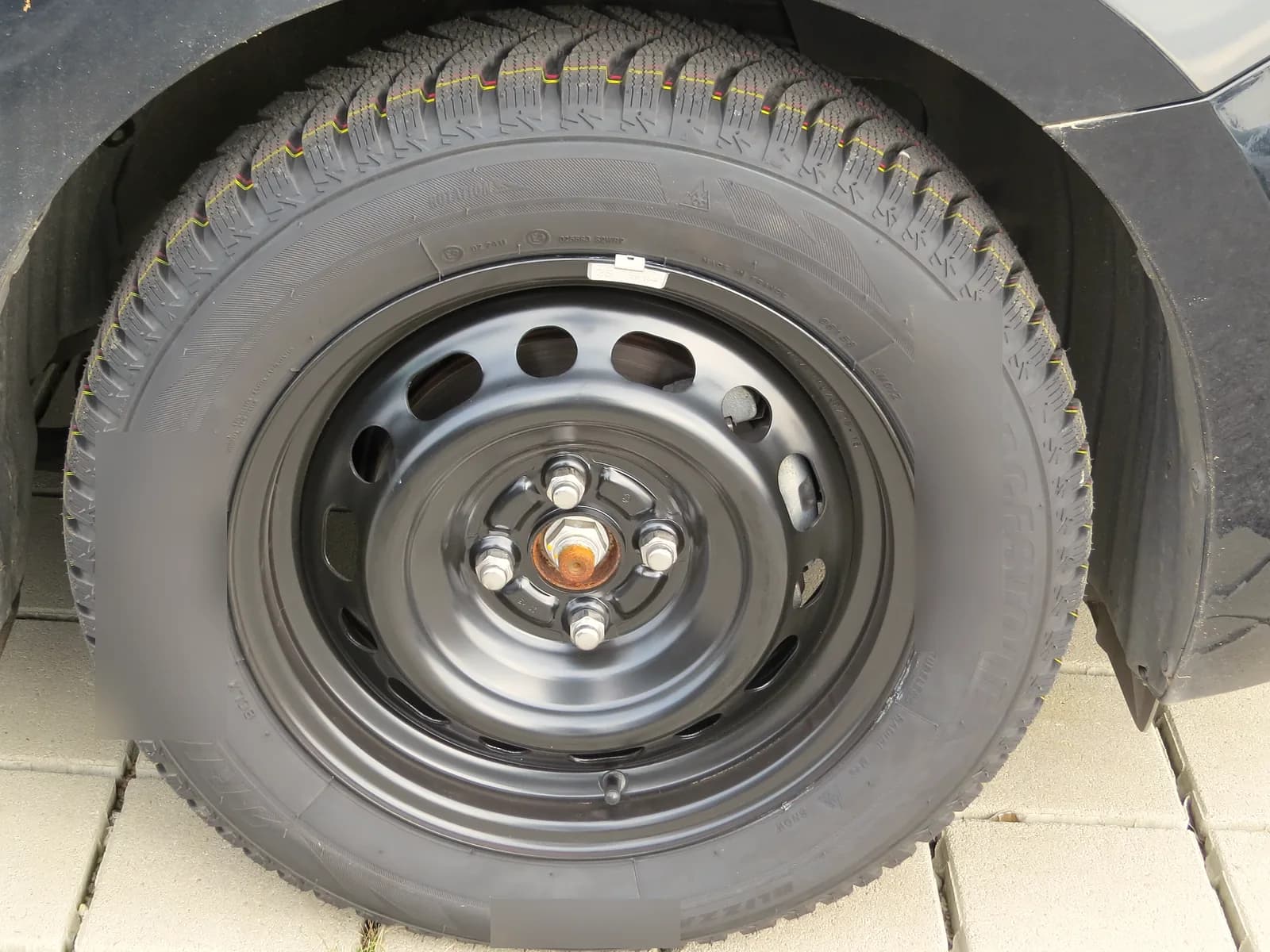


Winter tyres are mandatory from 1 November to 1 April, when there is snow or ice on the road
From 1 November to 1 April a car must have winter tyres when there is snow, ice or black ice on the road. When there is no snow or ice, driving on summer tyres is not an offence.
Example: it is 10 November, sunny, and the road is dry. With summer tyres you are not breaking the rules. If snow falls that night and you set off to work in the morning on summer tyres, you are.
The rule on 4 winter tyres applies to cars and to vans and other goods vehicles up to 3.5 tonnes.
The fine for winter tyres is 5,000 dinars
The fine is set by the Road Traffic Safety Act, and the driver pays it. If they cause danger to someone else or an accident, the fine is 6,000 to 18,000 dinars.
Online you will also find fines of up to 20,000 dinars. That is not in the law that applies today.
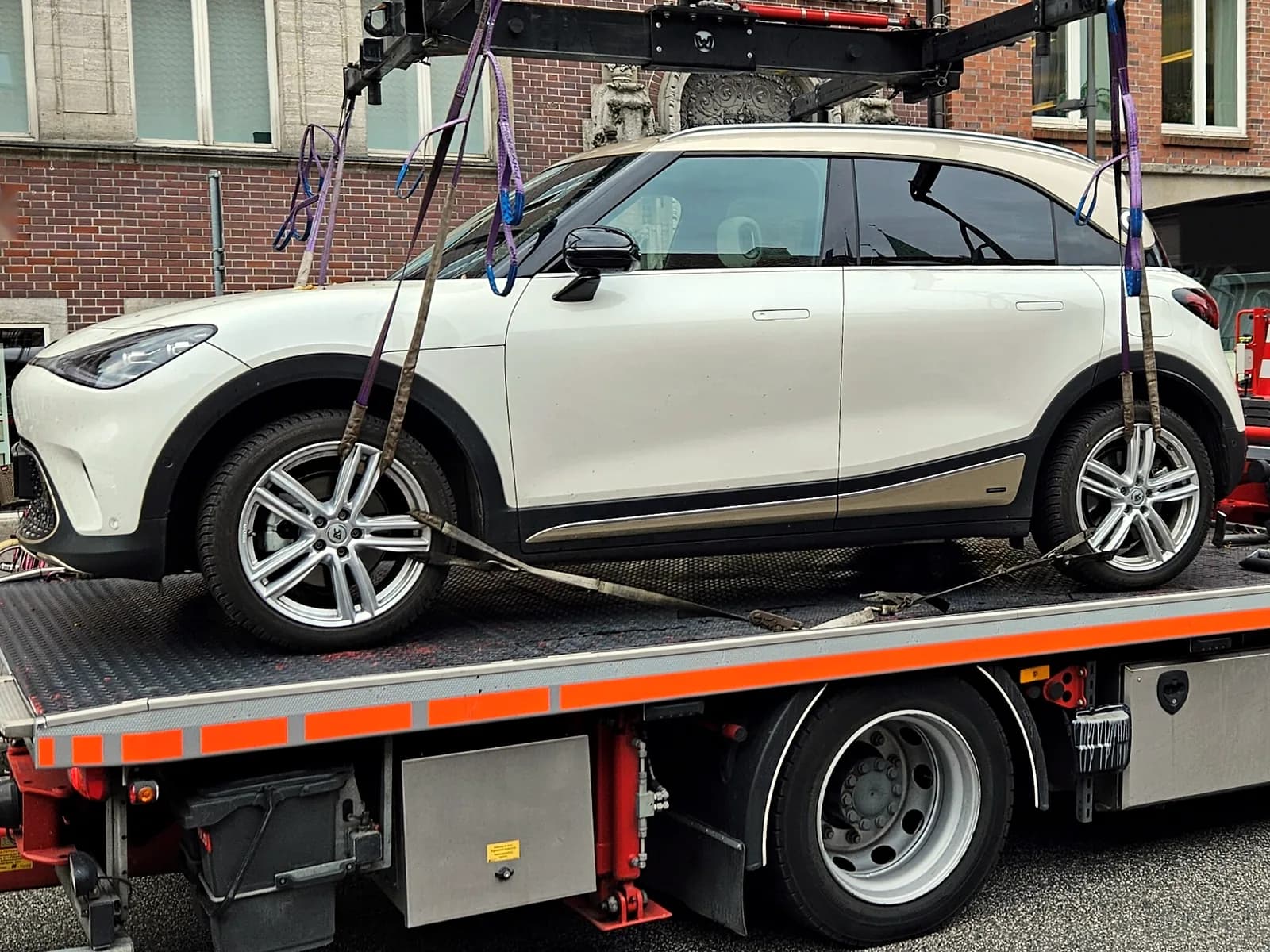
When you endanger traffic without winter equipment, or may endanger it, the police order you to fit it. If you do not, they take the car off the road or send you to a road where winter equipment is not needed.
If you pay the fine within 8 days of receiving the penalty notice, you pay half. The penalty notice is the paper with the fine that the police give you when they stop you, and you sign it.
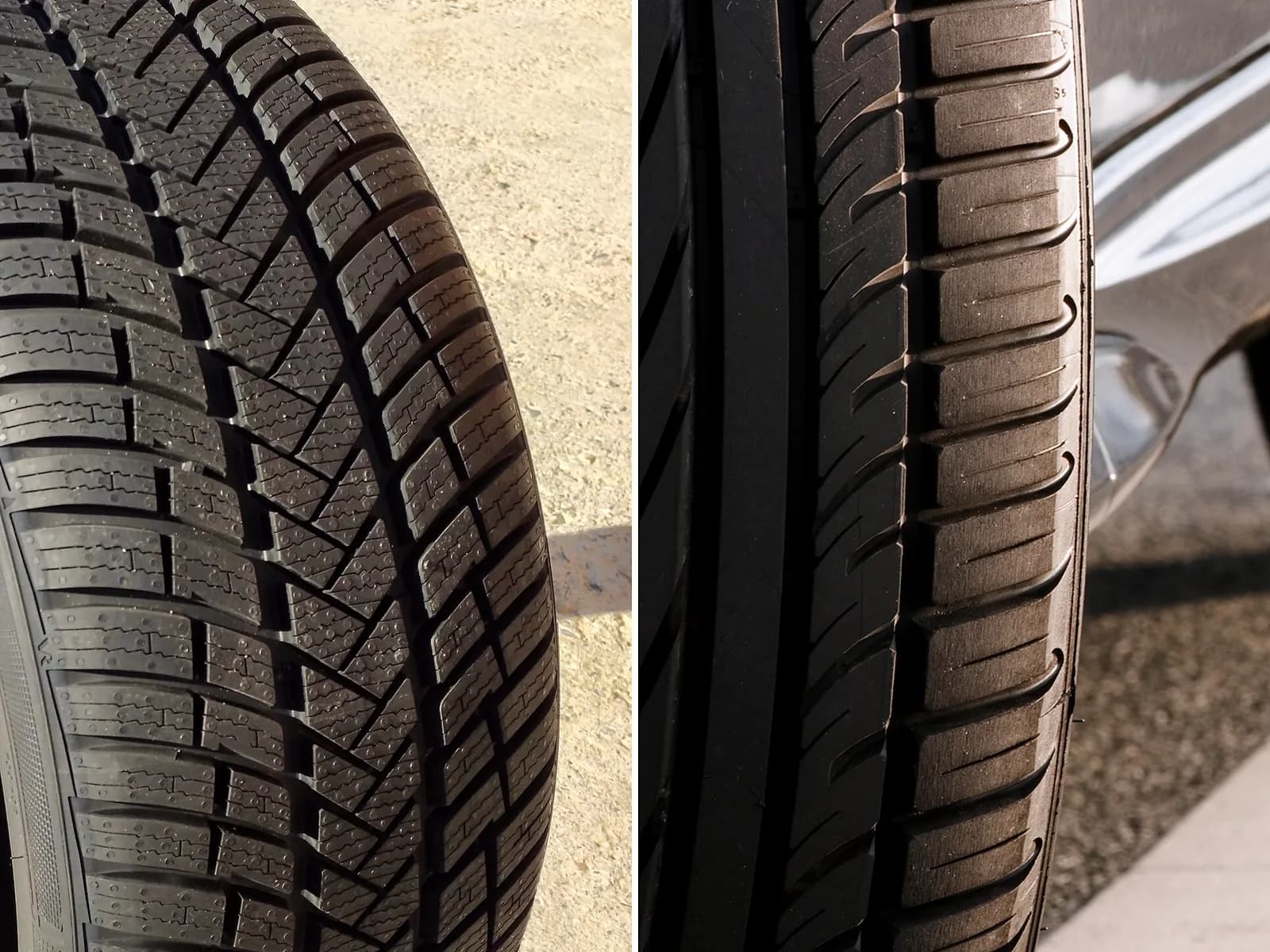
A winter tyre has the M+S marking on the sidewall
The rulebook gives the markings "M+S" and "Snow Winter" as examples of a winter tyre. A tyre without a winter marking is a summer tyre.
An all-season tyre counts as a winter tyre when it has the M+S marking and at least 4 mm of tread. More about all-season tyres
The tread of a winter tyre must be at least 4 mm
How much tread it needs: depends on the season
- In winter, when winter equipment is required: at least 4 mm.
- In summer: down to the wear markers, small bumps at the bottom of the grooves, which is 1.6 mm.
A new tyre usually has 7 to 9 mm of tread, and a winter tyre up to 10 mm.
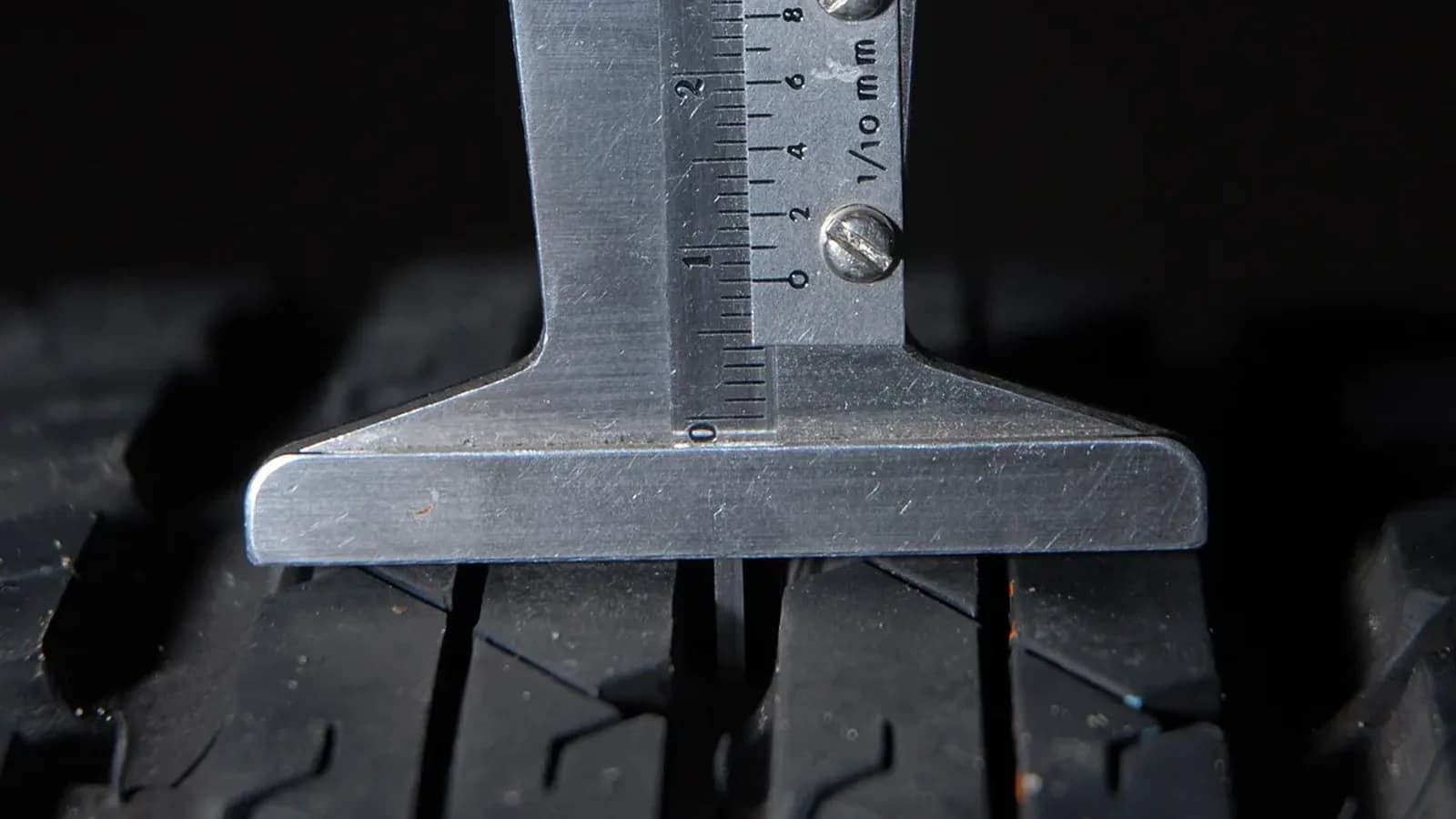
The bumps are in at least 6 places around the tyre. A winter tyre worn down to those bumps stopped counting as a winter tyre long ago.
With less tread a tyre grips snow worse. In a snow test from 30 km/h, a winter tyre with 4 mm of tread braked 3.2 m longer than a new one. When pulling away, it had less than half the traction of a new tyre. A summer tyre braked 7.5 m longer than a new winter tyre, and had only a quarter of the traction.
So replace winter tyres at the latest when the tread reaches 4 mm. We fit new tyres on the rims and balance them. More about tyre fitting
Fit winter tyres when the temperature drops below 7 °C
Below 7 °C a summer tyre goes hard and grips the road worse, even when it is dry. According to the Road Traffic Safety Agency, a car on summer tyres then brakes up to 2 times longer than on winter tyres.
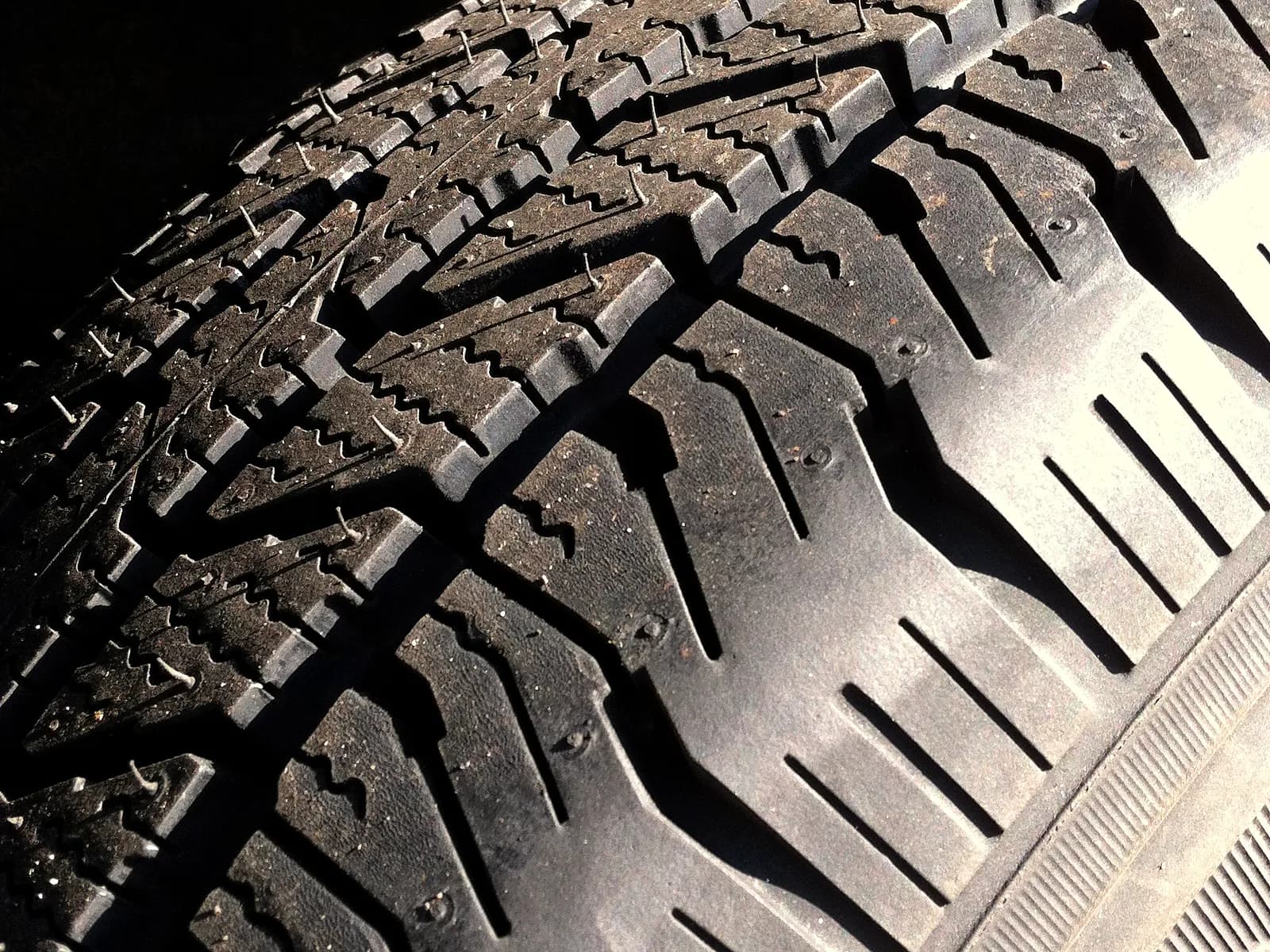
A winter tyre is made of softer rubber and has many small cuts in the tread. The cuts grip snow and ice, so the car pulls away and stops more easily.
According to the same agency, in one winter, while winter tyres were mandatory, there were 189 accidents in which the car had summer tyres.
After 1 April, do not rush to summer tyres while it is cold and rain or snow is falling. Wait for the weather to settle. More about getting the car ready for winter
Winter tyres go on all 4 wheels
The rulebook requires winter tyres on all wheels. Two winter and two summer tyres are not allowed.
With two winter and two summer tyres the car grips differently at the front and rear, so in a bend it easily slides or goes straight on.
- Winter tyres only at the frontThe car slides easily and skids in a bend.
- Winter tyres only at the backIn a bend the front tyres slide, so the car carries straight on.
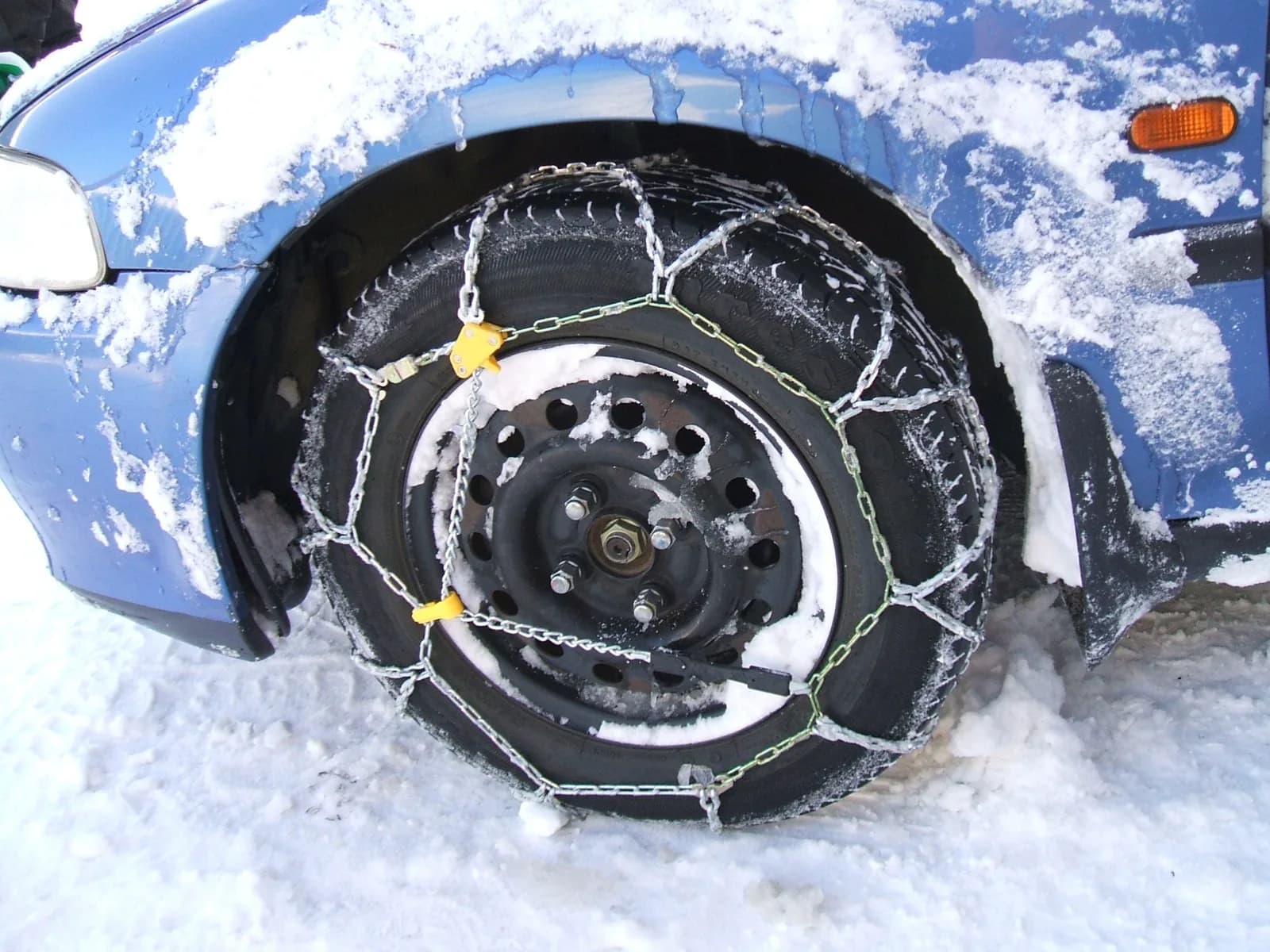
Chains must be in the car outside built-up areas
Outside built-up areas you must also have chains in the car for at least 2 driven wheels, the ones the engine turns. Another anti-skid device also counts instead of chains. This applies from 1 November to 1 April, when there is snow, ice or black ice on the road. In built-up areas chains are not required.
Chains go on where there is a "snow chains" sign. On other parts of the road you may fit them only when the road is covered in snow. More about winter equipment
Winter tyres in Croatia, Montenegro, Bosnia and Herzegovina and Greece
When you travel in winter, the rules of the country you drive through apply:
- CroatiaFrom 15 November to 15 April winter equipment is mandatory on marked winter sections of road, even when there is no snow. That means 4 winter tyres, or 4 summer tyres with at least 4 mm of tread and chains in the car. On other roads winter equipment is needed when there is snow or ice on the road.
- MontenegroFrom 15 November to 1 April, when snow is falling or there is snow, ice or black ice on the road, the car must have winter tyres on all 4 wheels, with at least 4 mm of tread. For some roads the state can require them even when there is no snow.
- Bosnia and HerzegovinaFrom 1 November to 1 April winter equipment is mandatory whatever the weather: 4 winter tyres, or winter tyres on the driven wheels and chains, or 4 summer tyres with at least 4 mm of tread and chains.
- GreeceWinter tyres are not required. You may fit chains only when the road is covered in snow or ice.
The year of manufacture is on the sidewall
The sidewall has a 4-digit number next to the letters DOT, for example 1107. The first two digits are the week, and the second two the year of manufacture. Tyre 1107 was made in week 11 of 2007. The number may be on one side of the tyre only. If you cannot see it, look for it on the other sidewall.
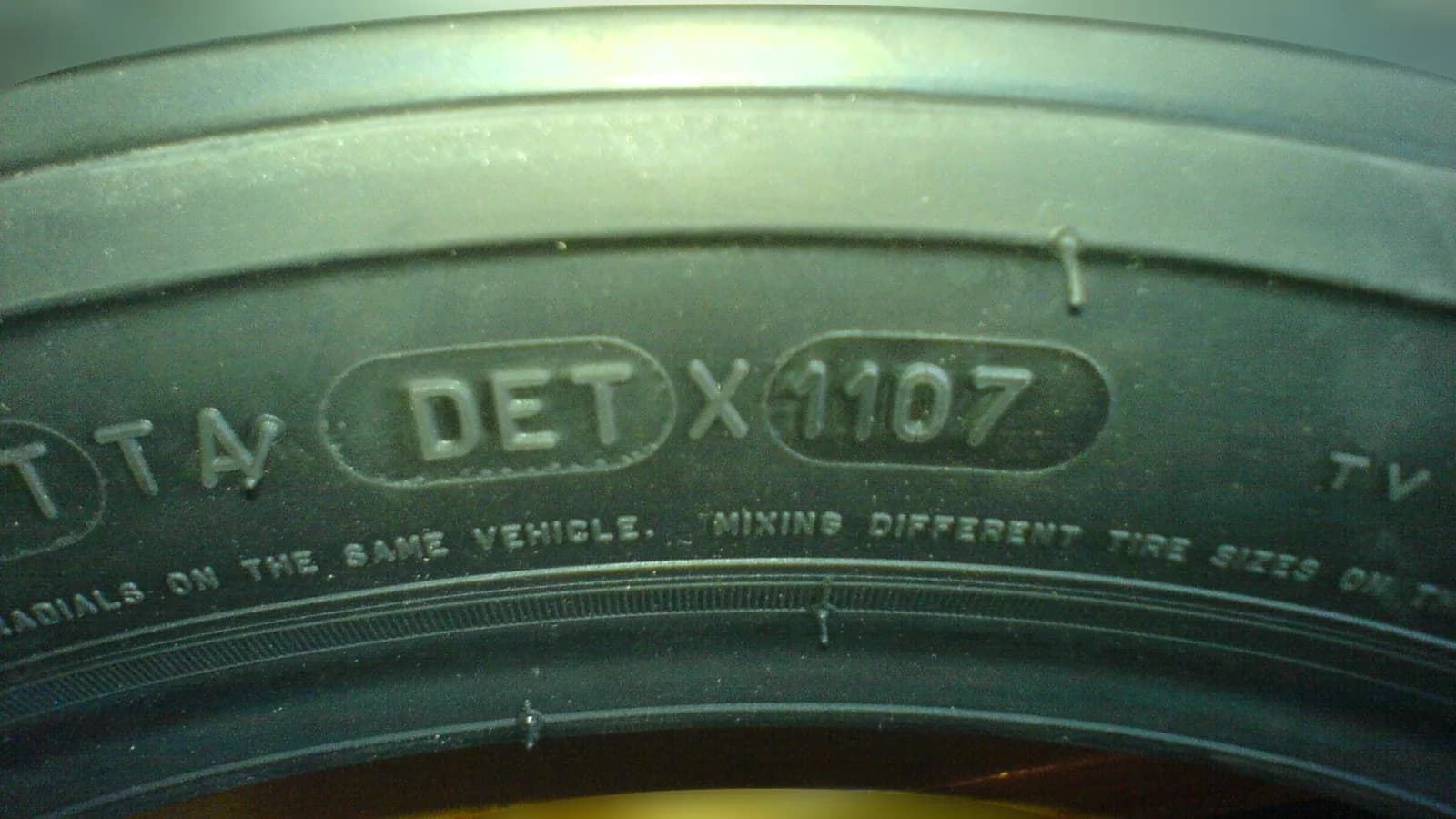
A winter tyre becomes harder over time and grips the road worse, even when the tread looks good. So do not drive on it for more than 8 years. Tyres older than 5 years should be checked thoroughly once a year, best when summer and winter tyres are swapped.
Winter tyres brake longer in summer
On a dry, warm road a winter tyre brakes longer than a summer one, up to 16 m longer from 100 km/h. Where a car on summer tyres stops, a car on winter tyres is still doing about 37 km/h. The law does not forbid winter tyres in summer.
The warmer it is and the deeper the tread, the bigger the difference. It is more dangerous when the car is fully loaded, for example on the way to the seaside. So drive on summer tyres in summer and keep the winter ones for next winter.
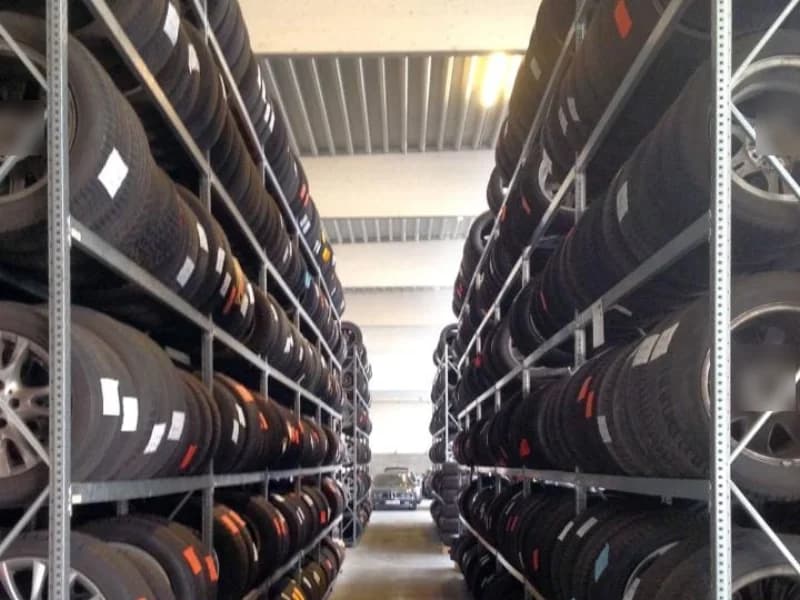
Store tyres out of season in a dry, dark place
- Store them in a clean, dry and dark place that is aired.
- Keep them away from sun, heating, fuel, oil and solvents.
- Lay tyres on rims on top of each other or hang them, and stand tyres without rims upright.
When you have nowhere to keep them, we store the tyres until the next season and fit them too. More about tyre storage