What the law requires of a passenger car
For a passenger car the rulebook on technical requirements for vehicles asks for 2 things:
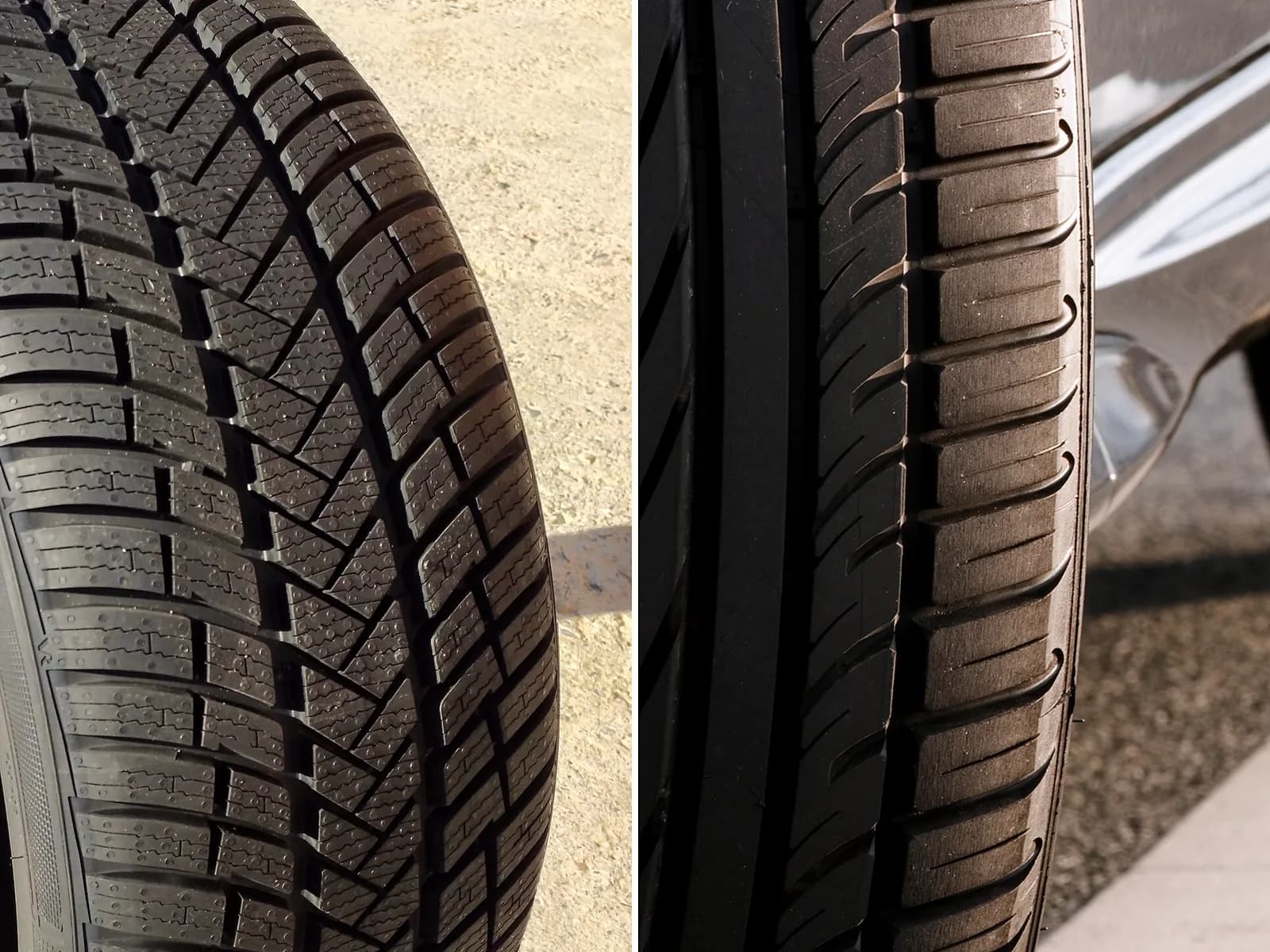
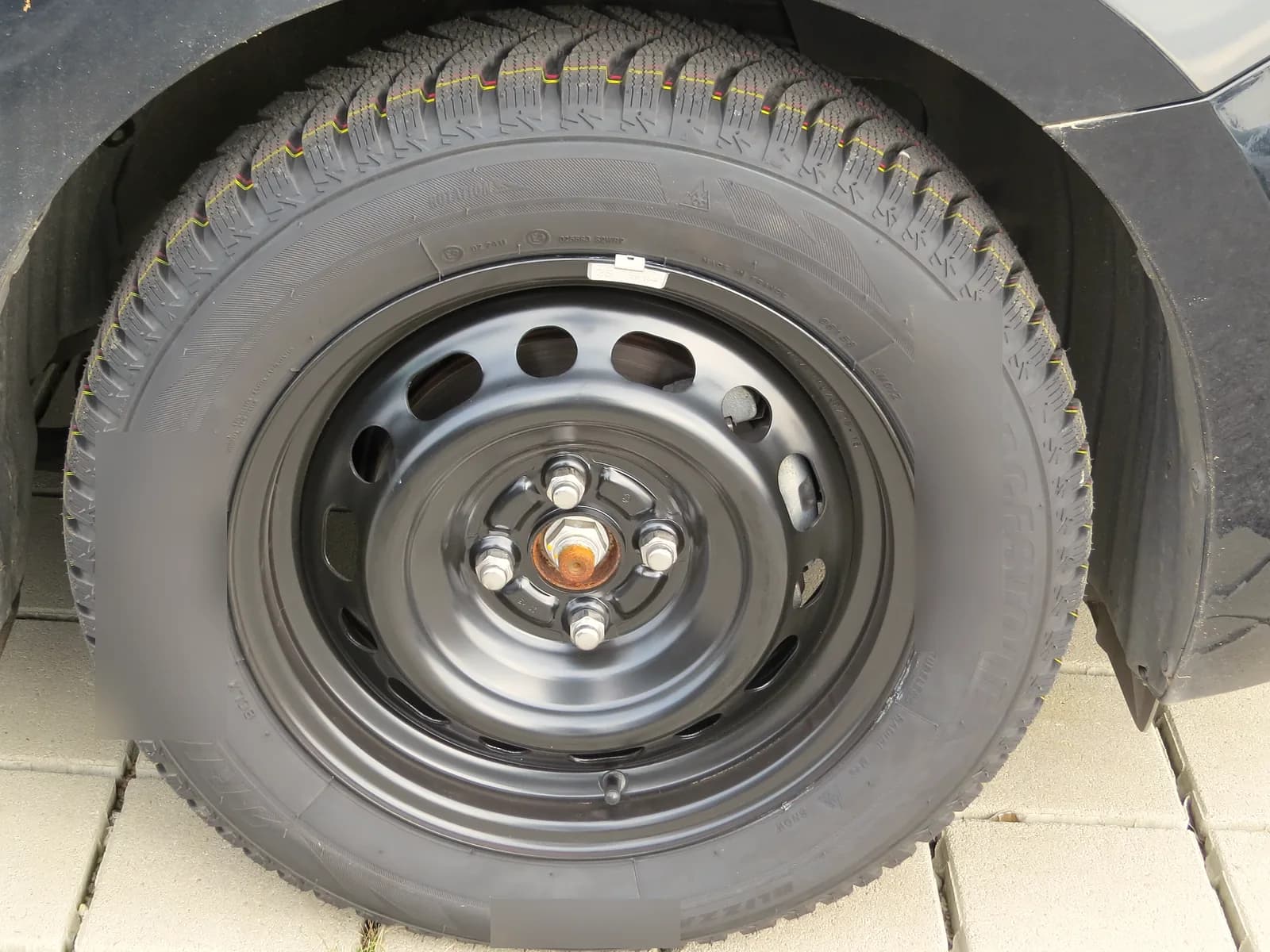
- Winter tyres on all 4 wheels. The tyre has the M+S marking or another winter marking on the sidewall and at least 4 mm of tread.
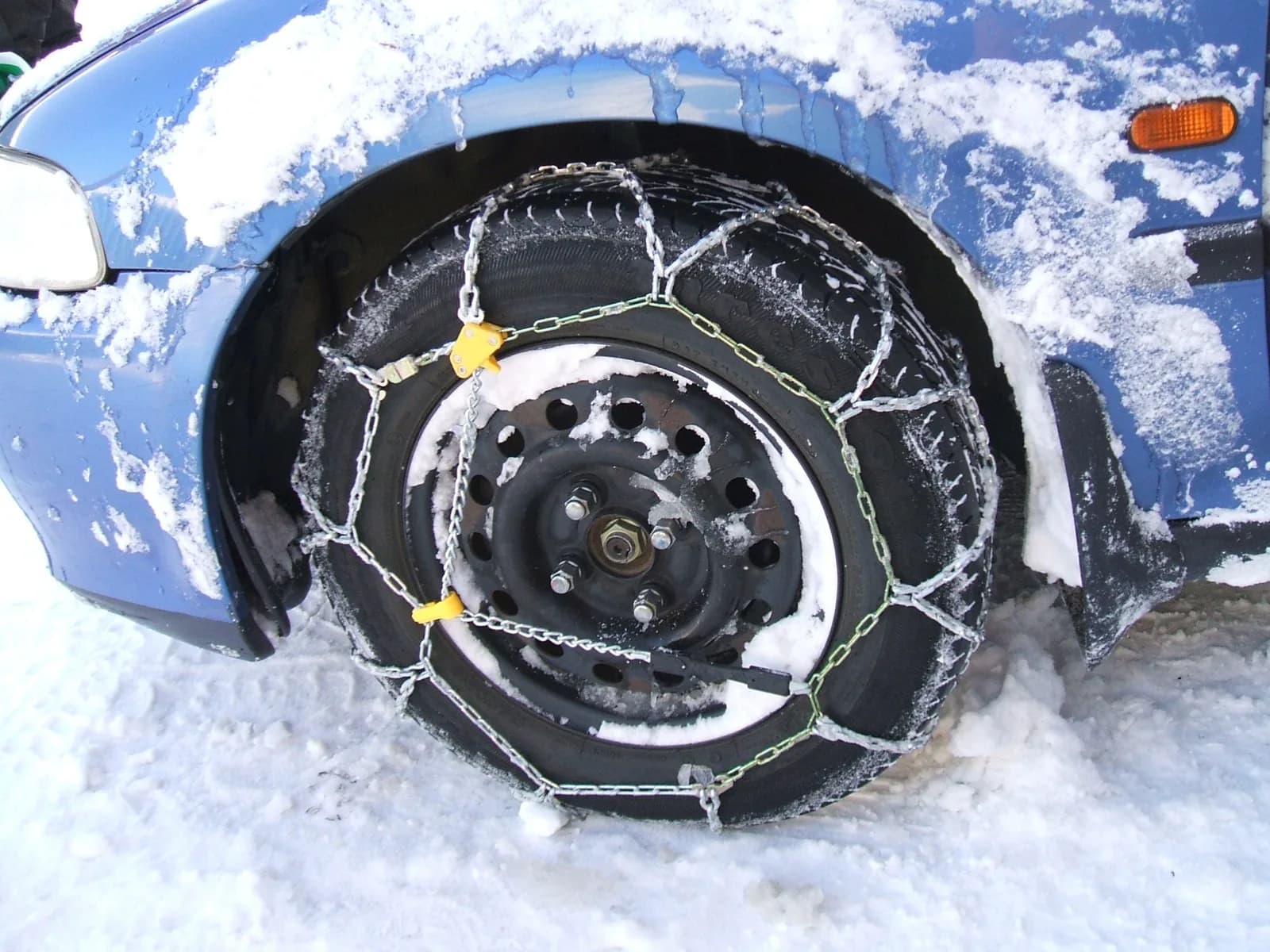
- Snow chains for at least 2 driven wheels, the ones the engine turns. Instead of chains, the law also accepts other devices that give the wheel better grip on snow. In built-up areas the chains do not have to be in the car, outside them they do.
The rule applies only when there is snow, ice or black ice on the road. Outside the period from 1 November to 1 April you may have winter equipment, but you do not have to. More about winter tyres and the law
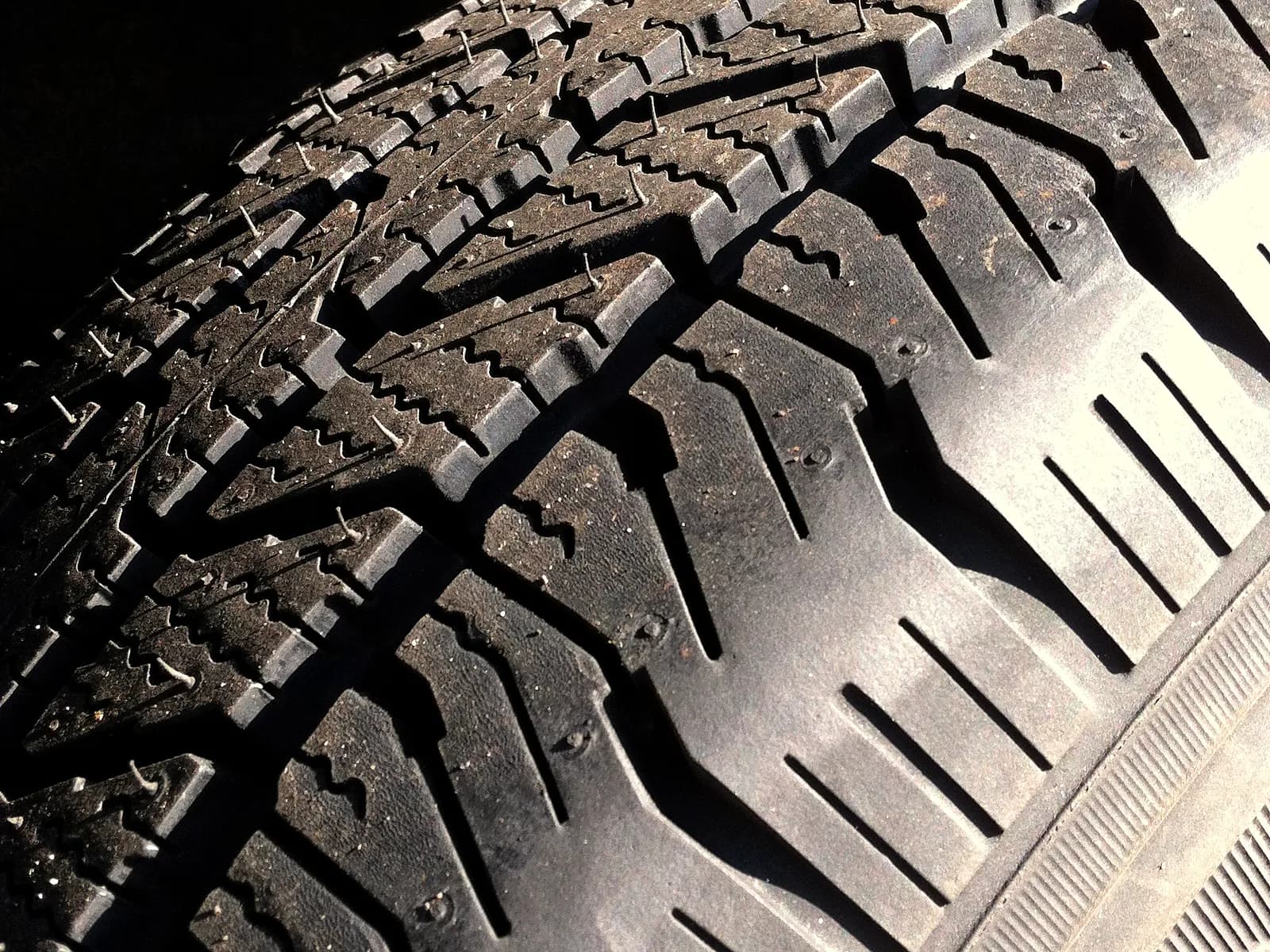
Studded tyres are not allowed. A shovel is mandatory only in lorries and buses, but it is useful in a passenger car.
A first aid kit, warning triangle and vest are not winter equipment, but equipment that must be in the car all year round. More about mandatory car equipment
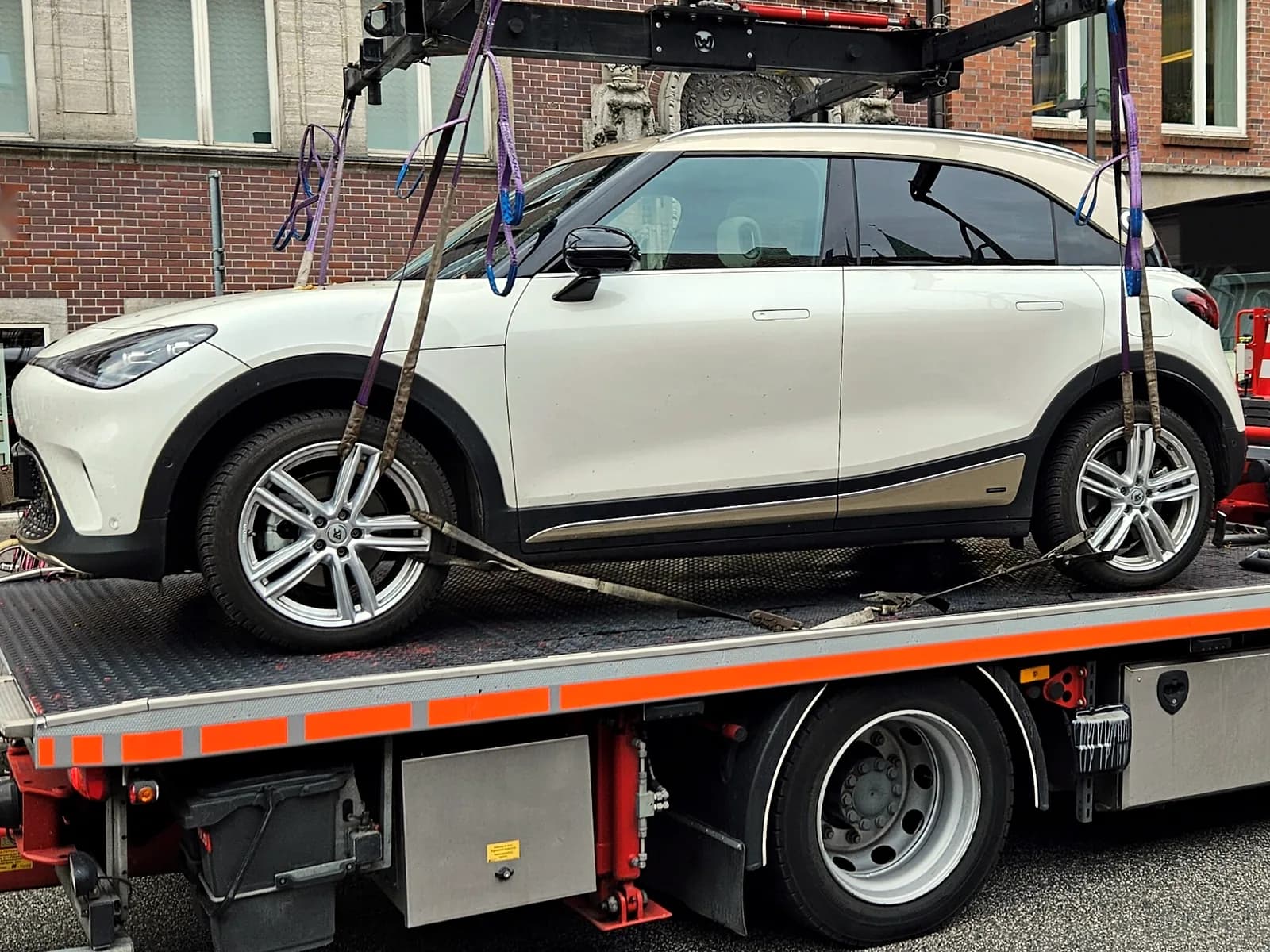
The fine without winter equipment is 5,000 dinars
Under the Road Traffic Safety Act, the 5,000 dinar fine is paid by a driver who has no winter equipment on snow or ice, or does not use it properly. If they cause danger to someone else or an accident, the fine is 6,000 to 18,000 dinars.
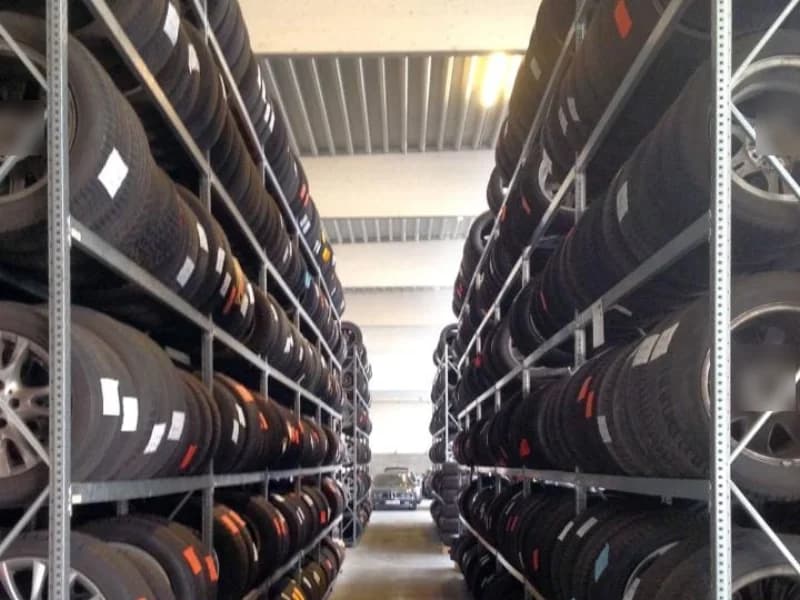
When you endanger traffic without winter equipment, or may endanger it, the police order you to fit it. If you do not, they take the car off the road or send you to a road where winter equipment is not needed. We change and fit winter tyres. More about tyre fitting
Chains go on where a sign requires them or when the road is covered in snow
Chains go on where there is a “snow chains” sign. On other parts of the road you may fit them only when the road is covered in snow. On the approaches to ski resorts the police warn drivers to fit chains. More about snow chains
- Fit them on the driven wheels. On front-wheel drive they go at the front, on rear-wheel drive at the back. If you do not know which wheels drive your car, or it has all-wheel drive, check the car manual, because what the manufacturer says applies.
- With chains on, do not drive faster than 50 km/h. Press the accelerator and brake gently.
What else to keep in the boot in winter
- Ice scraper and de-icer sprayTo clear ice from the windows, mirrors and lights before driving.
- Snow brushTo clear snow off the roof and bonnet.
- Small shovelTo dig out the wheels when you get stuck in snow.
- Jump leadsFor when the battery cannot start the car in the cold.
- Winter screenwashSalt and dirt from the road keep coating the windscreen. Get screenwash that does not freeze down to at least -15 °C.
- A blanket, warm clothes and footwearIf you wait for help in the cold.
- TorchTo see around the car at night.
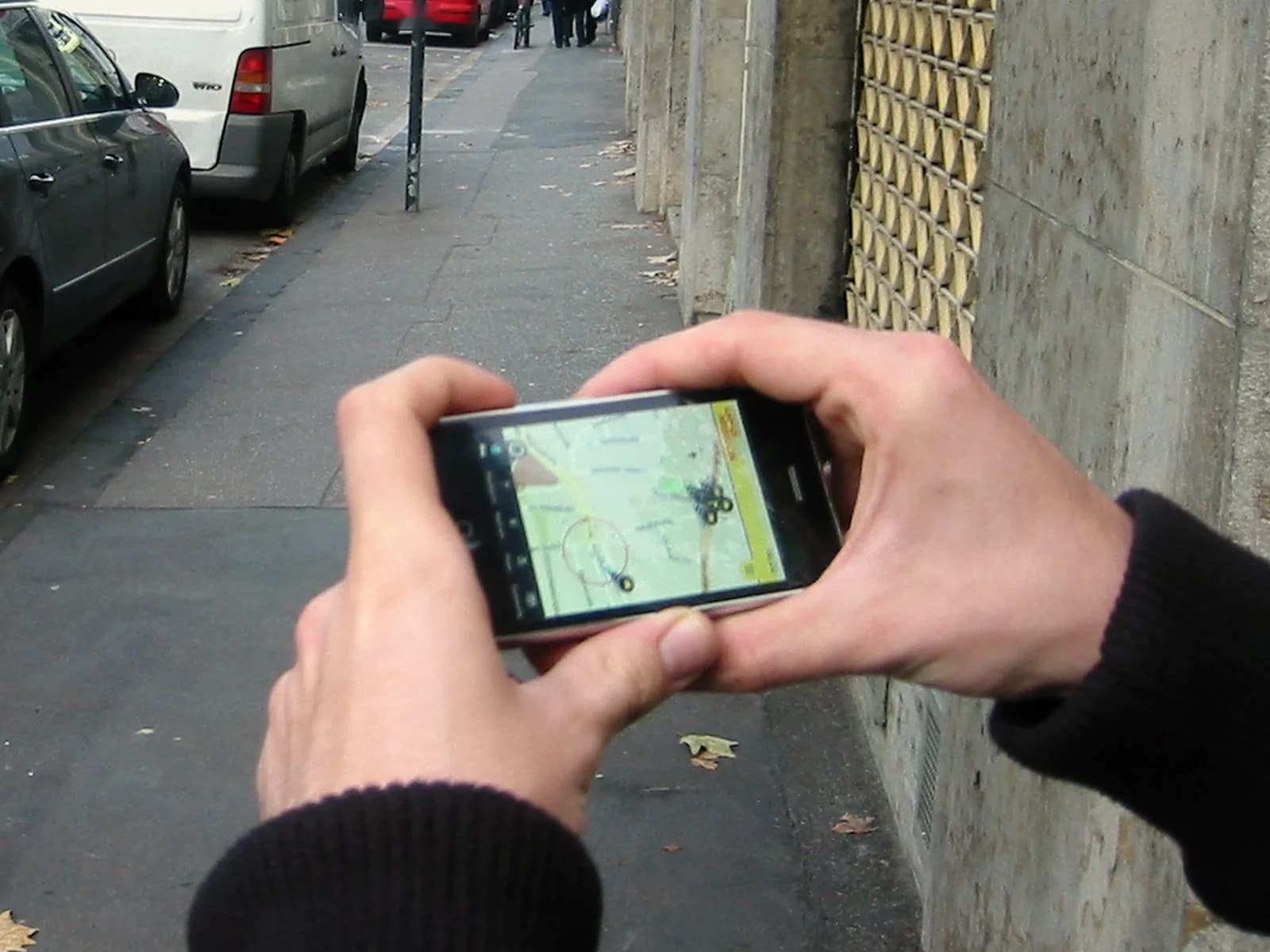 Phone charger and power bankSo you can call for help.
- Water and something to eatIf you get stuck in a queue on snow.
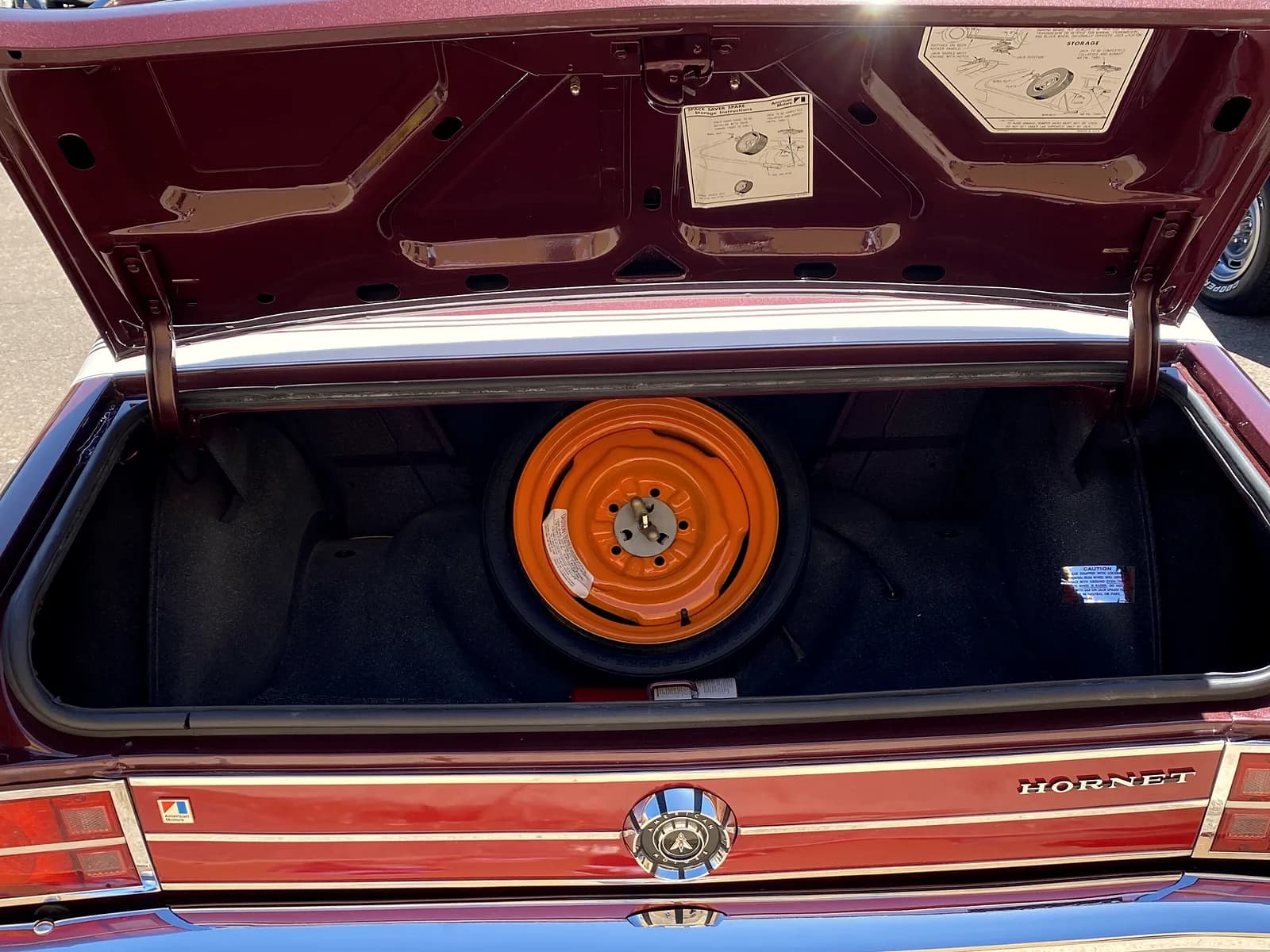 A working spare wheelCheck it before winter, so a puncture does not leave you stuck on the road.
Equipment does not help if the car will not start in the morning. More about mobile battery replacement
Before winter, also check the antifreeze, oil, wipers and lights. More about getting the car ready for winter
Clear the windows, lights and roof before driving
Before you set off you must be able to see the road well, and others must be able to see you. The law requires that lights are not covered while driving, or so dirty that others cannot see them.
- Brush the snow off the roof and bonnet first. Snow from the roof slides onto the windscreen when you brake and blocks your view.
- Scrape the ice off all the windows, not only the windscreen, and off the mirrors, lights and number plates.
Do not pour warm or hot water on the glass. The sudden change in temperature can crack it.
On snow, drive slower and brake earlier
On snow and ice the braking distance can be up to 10 times longer than on a dry road. So keep a much bigger distance from the car in front.
- Use the accelerator, brake and steering gently, without sudden movements.
- Slow down before a bend while you are still driving straight, and only then turn the wheel.
- Downhill, shift into a lower gear so the engine slows the car, not the brakes.
- Before a long trip, fill the tank. On snow the journey takes longer, and in a queue the car uses fuel even when it is standing still.
What to do when you get stuck in snow
- Do not press hard on the accelerator, because the wheels then only spin.
- Dig the snow away from the driven wheels with the shovel.
- Pull away in second gear. If it does not move, rock it: with the clutch and accelerator, gently move a little forwards, then a little back, then forwards again.
- If that does not help, put the floor mats under the driven wheels. Once you are out, do not leave them in the snow.
If you wait for help in the car and keep warm with the engine running, clear the snow from around the exhaust. Otherwise exhaust fumes get into the car and can poison you.
Run the engine now and then, about 10 minutes an hour, and open a window slightly while it runs.