Do not start the engine until you have checked the oil. Even a few minutes of driving with the red light can badly damage the engine.
Red oil light: stop and switch off the engine
When the red light comes on, do this:
- Turn on the hazard lights and stop as soon as it is safe. If you can, stop off the road and on level ground.
- Switch off the engine and do not start it again until you have checked the oil.
- If the car is on the carriageway, put the warning triangle behind it, and anyone who steps onto the road wears a reflective vest.
- Wait at least 10 minutes for the engine to cool, then check the oil level with the dipstick. How to do it is further down, in “How to check the oil level”.
- If the oil is low, top it up so it is between the MIN and MAX marks on the dipstick. Start the engine, let it run for 5 seconds and watch the light.
- If the light has gone out, you can drive on. Still, the oil has gone somewhere: the engine burns it or it leaks. So check the oil level regularly.
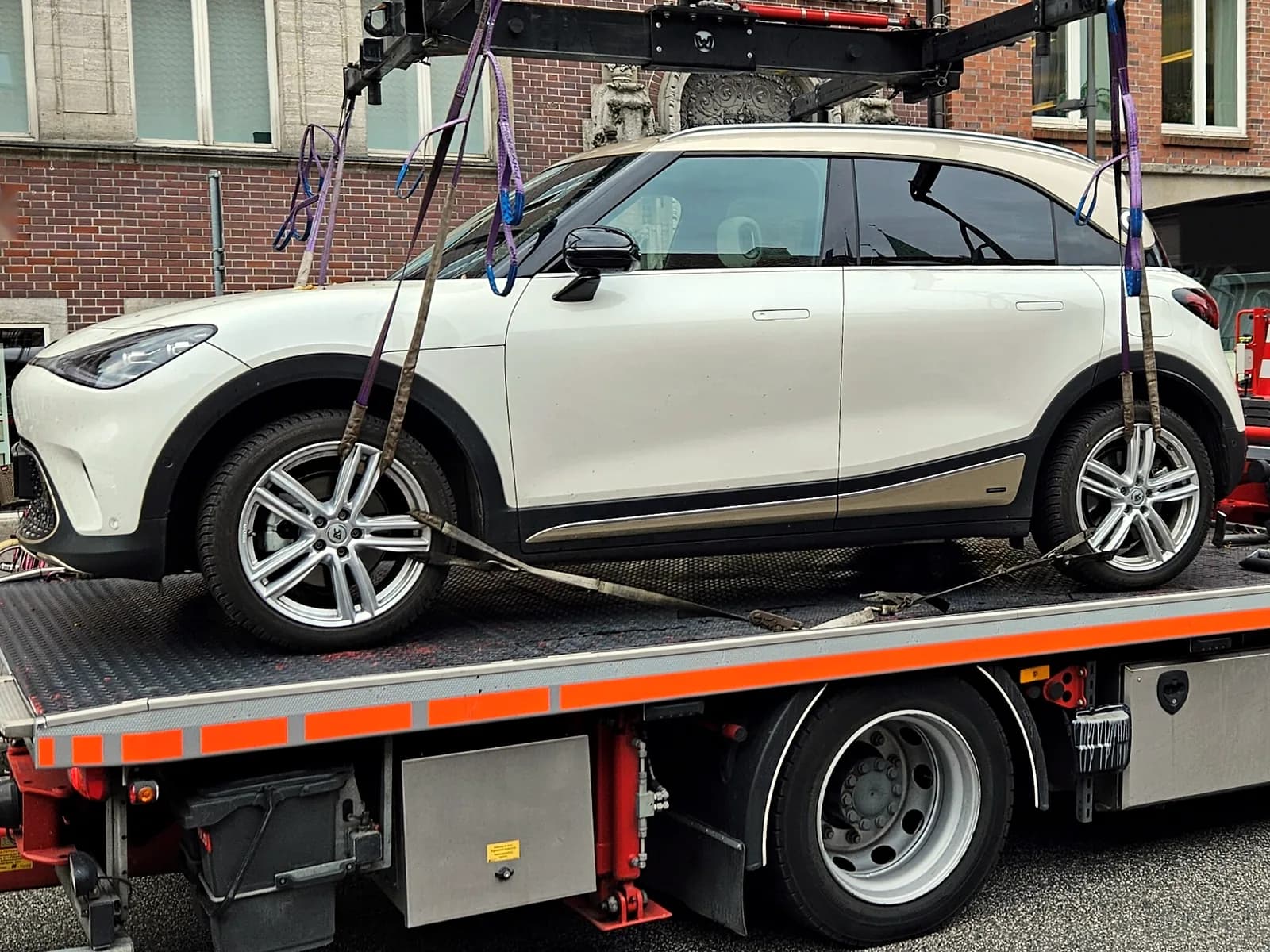
- If the light is still on, or there was enough oil, do not drive on. Call a tow truck. More about the towing service
How far back the triangle goes depends on the road
- In town: at least 10 metres.
- Outside town: at least 50 metres.
- Motorway: hard shoulder, triangle at least 100 metres back.
Keep the triangle and the vest in the car, where you can take them out easily. More about mandatory car equipment
Oil lubricates the moving parts of the engine, so that metal does not rub against metal. The pump pushes it through the engine under pressure. When the pressure drops, the parts are left without oil, heat up and wear quickly.
If you keep driving, you first hear tapping from the top of the engine, then a dull knocking from below. In the end the engine stops and seizes. The damage can then be expensive, or the engine can no longer be repaired.
Oil light flashing or flickering at idle
A flashing red oil light is a serious warning, just like one that stays on. Stop and switch off the engine as soon as it is safe, then check the oil level.
Flashing can be the first sign that the pressure is dropping. Oil pressure is lowest when the engine is warm and idling, so the light may first flicker at traffic lights or in a queue.
When you press the accelerator, the light can go out. That does not mean the fault is gone.
Yellow oil light: check and top up the oil
A yellow oil light most often means the oil is low, the oil level sensor is not working or the oil is due for a change. It is less urgent than the red one, but stop as soon as it is safe and check the oil. Not every car has a yellow oil light.
What the yellow light means depends on the car
- Volkswagen, steady: top up the oil soon.
- Volkswagen, flashing: the level sensor may not be working, check the level with the dipstick.
- An oil can with a spanner or the word OIL: it is time for an oil and filter change, not a fault.
- Some cars have no yellow light.
If the level is fine and the yellow light stays on, we find the cause with diagnostics. A fault that is left alone can do more damage over time. More about car diagnostics
After an oil change we turn the service reminder off with diagnostics. More about dashboard lights
Why the oil light comes on
The oil light comes on when there is too little oil, when the pressure is low or when the sensor reports a fault. These are the most common causes:
- Low oil. The engine burns it or it leaks. Older engines leak more often, and newer ones also burn some oil.
- Too much oil. It happens after topping up or an oil change. The moving parts whip the oil into foam, the pump draws in air and the pressure drops.
- Faulty pressure sensor. The light is on, but the pressure may be fine. This is a common fault, but you cannot be sure until the pressure is measured.
- Worn oil pump. The pump does not push enough oil through the engine.
- Blocked filter or oil passages. Sludge narrows the way for the oil, so less of it reaches the engine parts.
- Wrong oil. Oil thinner than the engine needs can lower the pressure, especially in a worn engine.
- Worn engine. After many kilometres the bearings wear, the oil flows through more easily and the pressure drops.
How the fault is found
First the oil level is checked, to make sure there is not too little or too much. If the level is fine and the light is on, either the sensor is at fault or the pressure really is low.
Pressure sensors often fail, but replacing the sensor without measuring the pressure is a risk. If the pressure really is low, a new sensor solves nothing, and driving on damages the engine. You only know for sure once the pressure is measured on the engine.
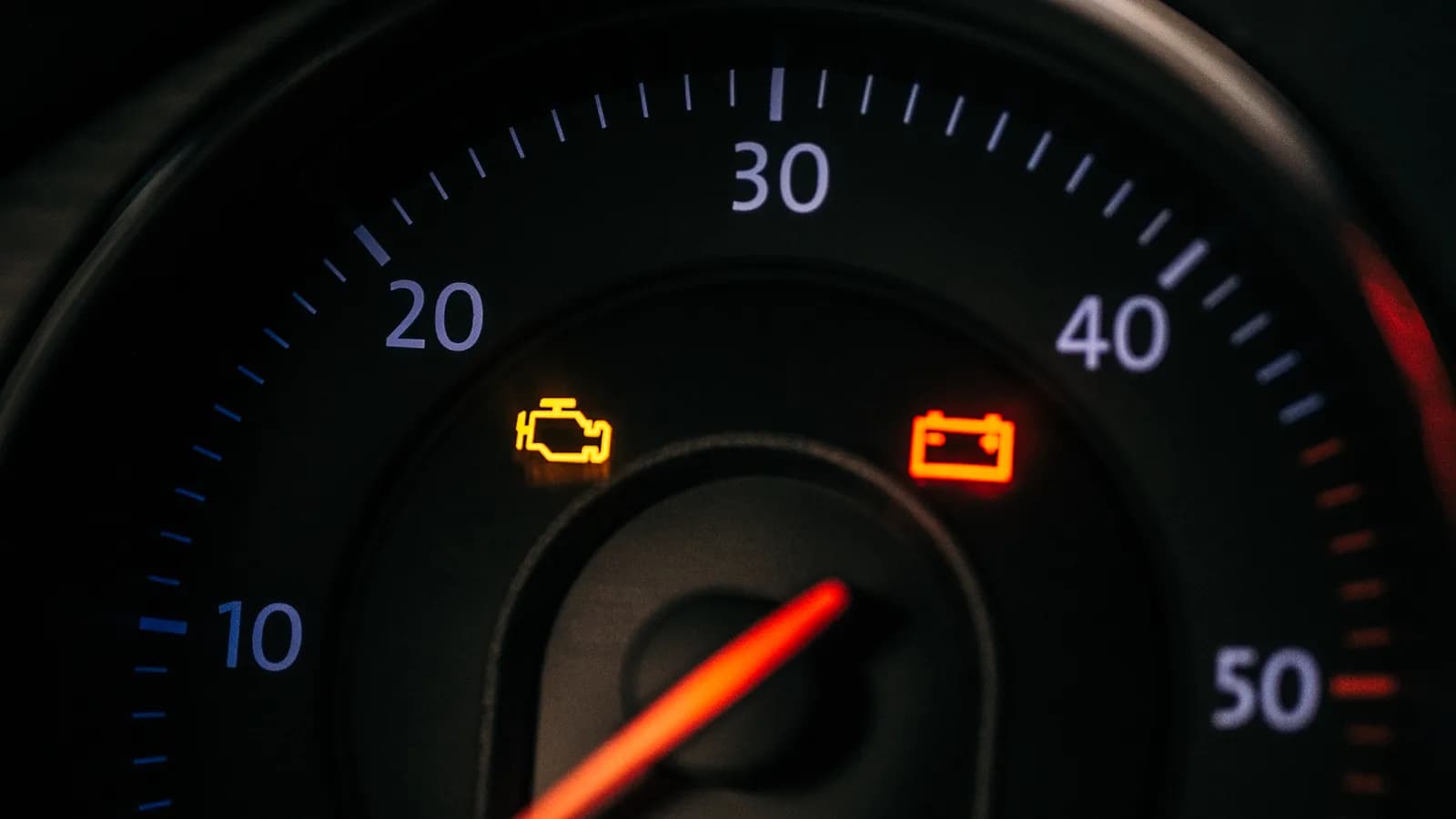
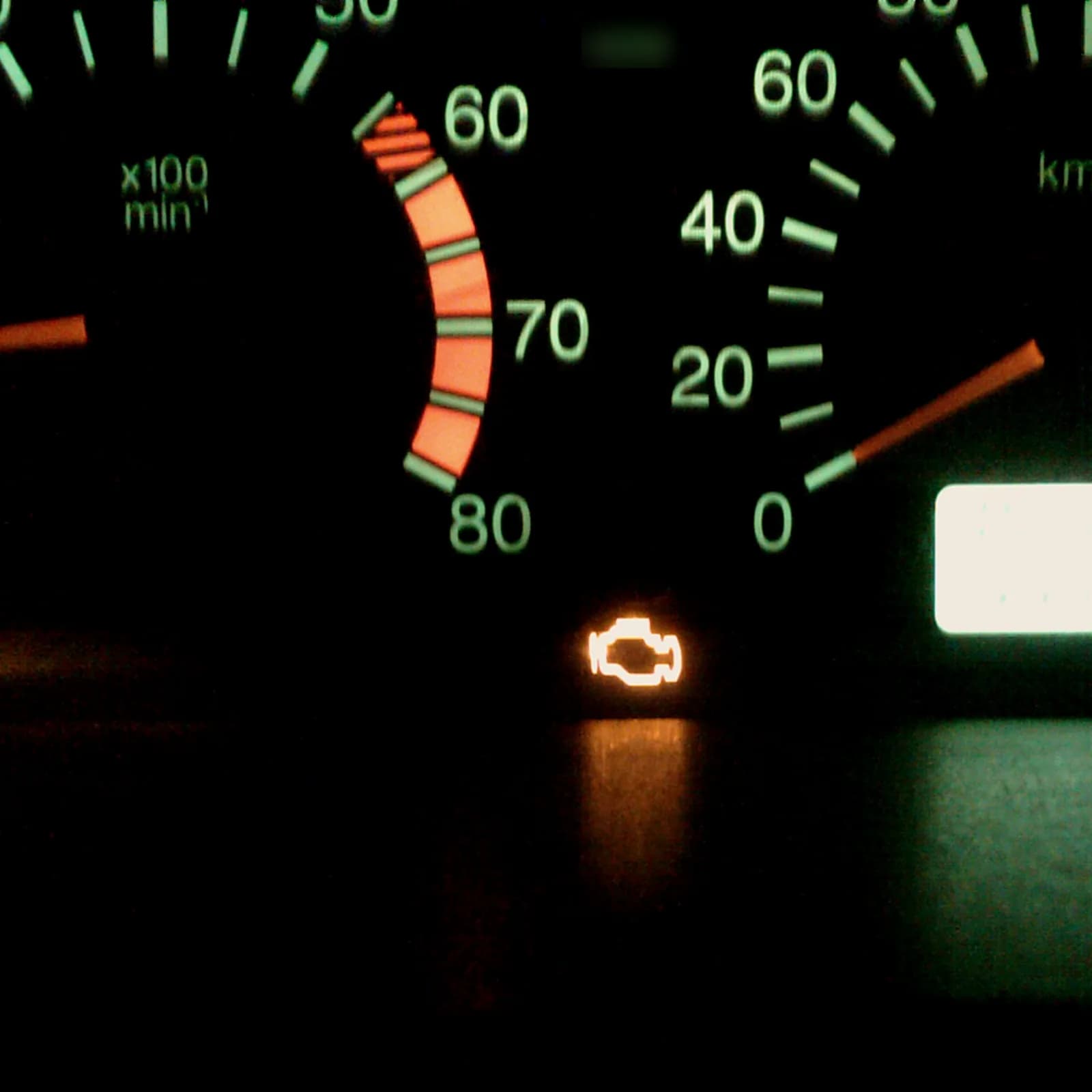
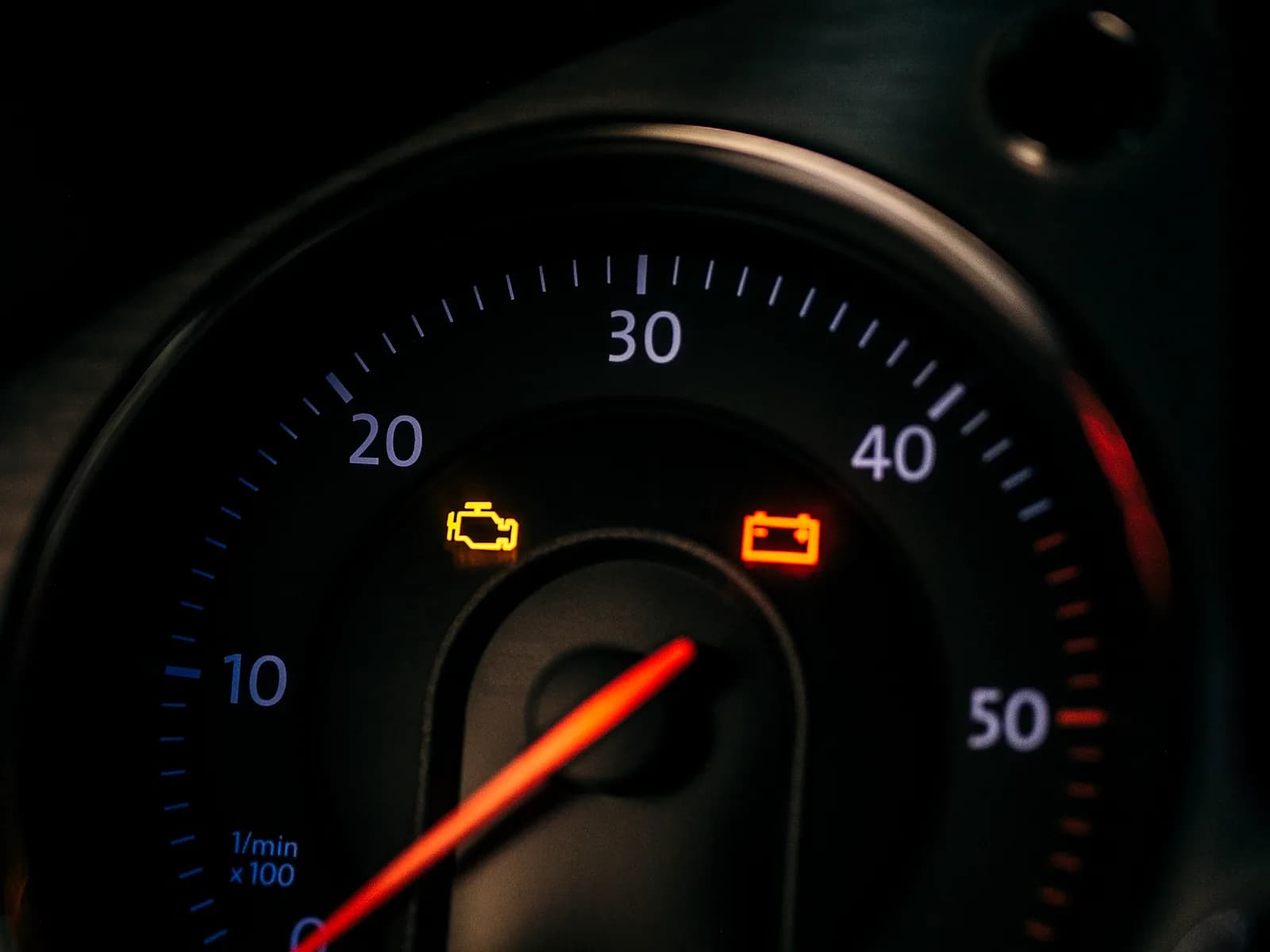
When the engine light is on along with the oil light, it can mean a serious engine fault, and diagnostics reads the fault the computer has stored. More about diagnostics
Oil light after an oil change
When the light comes on right after an oil change, the cause is usually in the change itself, not a new fault in the engine:
- There is too little or too much oil.
- Oil of a different thickness from what the engine needs was used.
- The oil filter is faulty or not fitted properly.
- The pressure sensor was damaged during the change.
- Oil is leaking, so the pressure drops.
Then too, a red light means you stop and switch off the engine.
How to check the oil level
Check the oil every few weeks, not only when the light comes on. The light does not always warn you in time, and most only come on when the pressure is already dangerously low.
- Park the car on level ground. On a slope the dipstick shows the wrong level.
- After driving, wait at least 10 minutes, so the reading is accurate and you do not burn yourself on the engine.
- Open the bonnet and find the oil dipstick. If you do not know where it is, the car manual says.
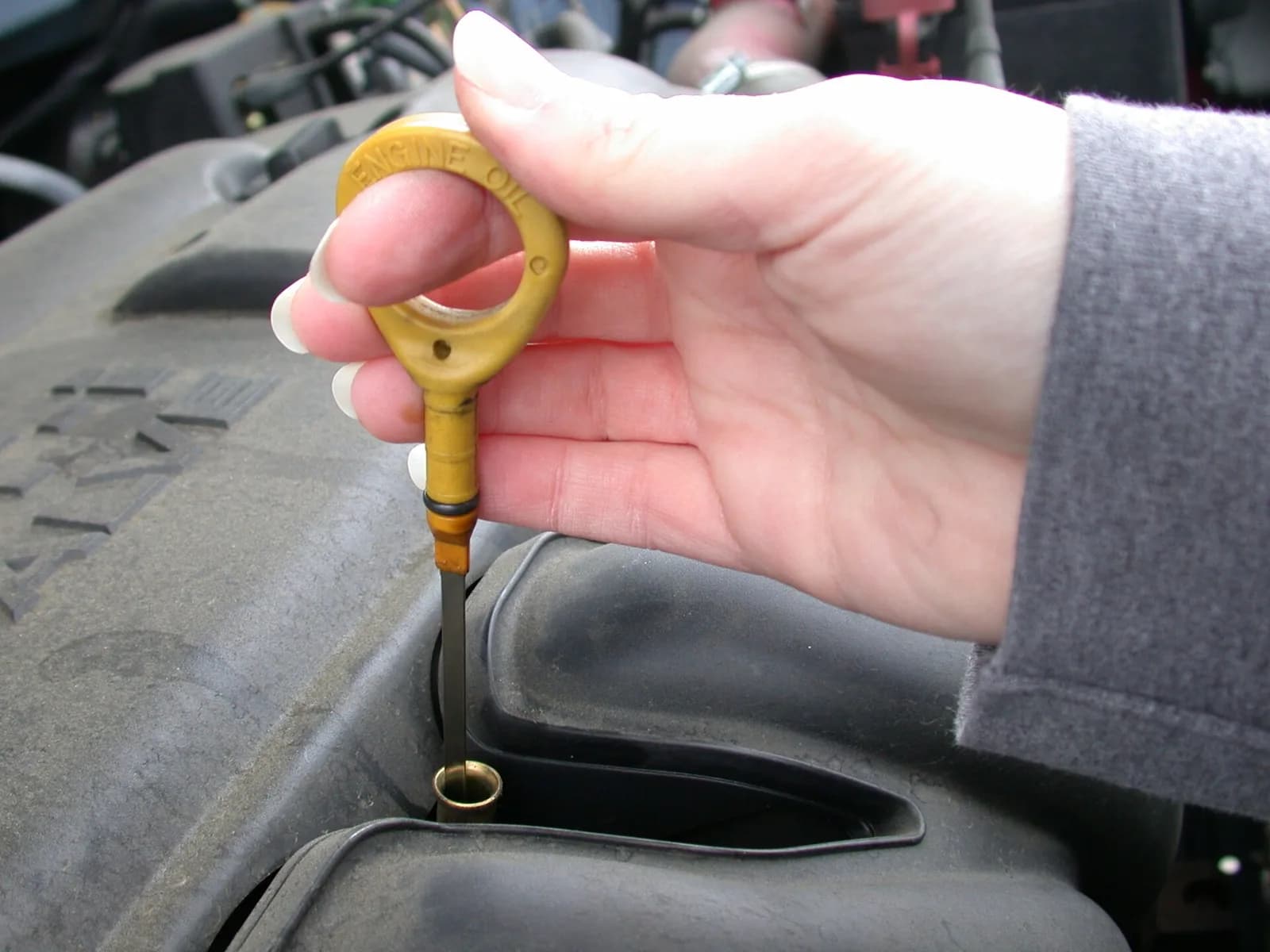
- Pull out the dipstick and wipe it with a cloth. It has two marks, MIN and MAX.
- Push the dipstick all the way back in, then pull it out again.
- Look at how far up the dipstick the oil reaches. It should be between the marks. When it is below the MIN mark, oil needs to be added.
- Oil goes in through the cap on the engine, which usually has an oil can drawn on it. Unscrew it and add a little at a time. After each top-up, check with the dipstick, because too much oil also harms the engine.
- Finally, screw the cap back on and push the dipstick all the way in.
The engine is made for one specific oil thickness. Which oil goes into your engine is written in the car manual. Some newer cars have no dipstick, and the oil level is measured electronically.
Oil in the engine quickly turns dark. Dark oil is not a sign of a fault.