Why habits prevent most thefts
Thieves drive away most cars with the key in the ignition, and a habit prevents that theft. According to MUP (Serbian police) data, from January to August 2023 more than half of the cars stolen in Belgrade were driven away this way. In the first half of 2024, 3 out of 4 stolen cars disappeared this way.
The thief often does not plan such a theft. He happens to be there, sees a running car without a driver, gets in and drives off. Other thieves wait for exactly this near pharmacies, schools, kindergartens, shopping centres and bus stops with shops.
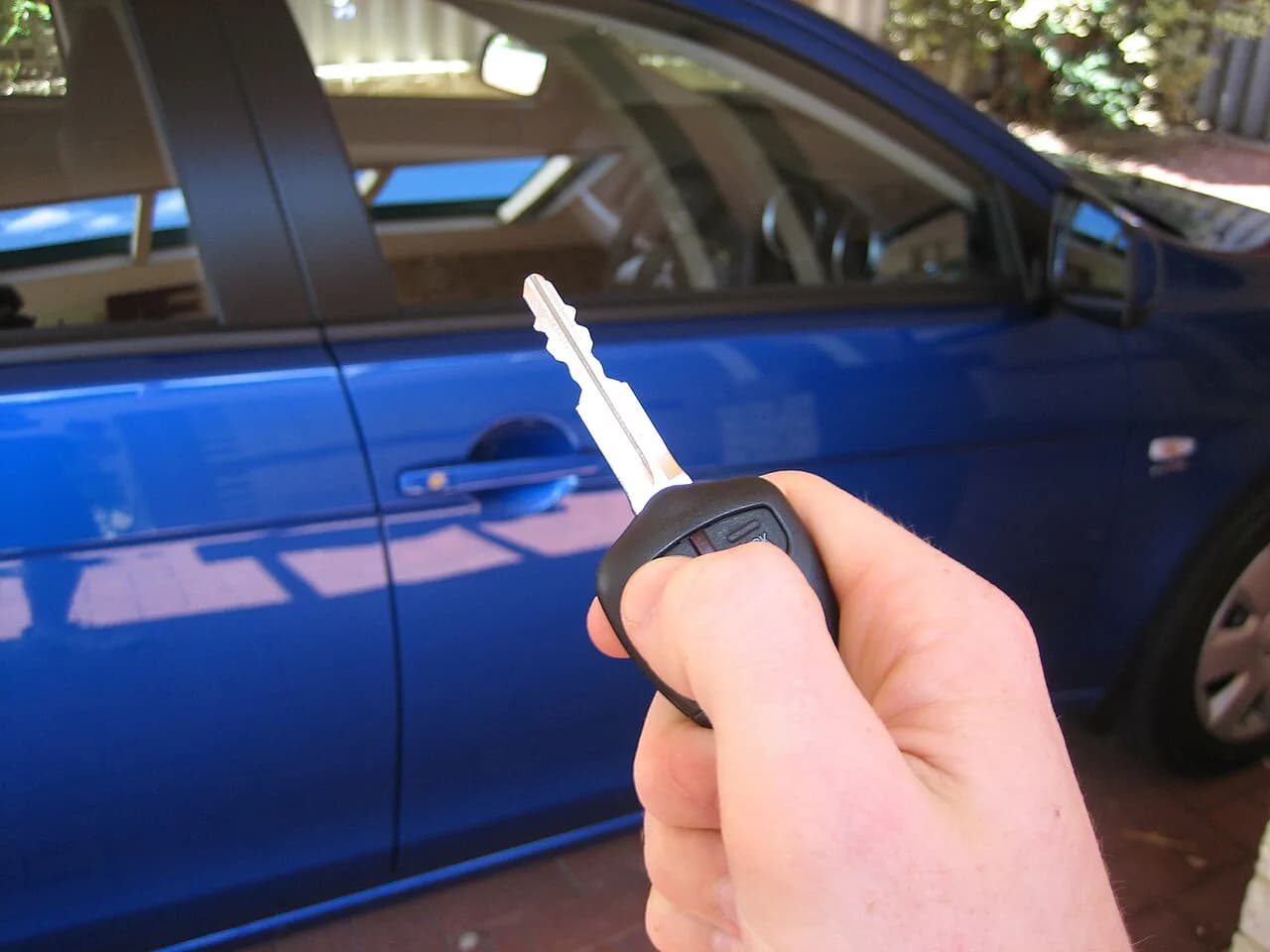
1. Switch off the engine and take the key, even when you step out for a minute
A thief needs about ten seconds while you are in the kiosk or the bakery. Cars also disappear in front of apartment buildings, when they are left running in winter to warm up or in summer to cool down.
Do not leave the key in the car overnight in the yard either. The thief searches the car, finds the key and drives it away. If you deliver goods, switch off the engine and take the key even while you hand over the order.
Comprehensive insurance (kasko) can refuse a theft if the key was in the car or the car was not locked. More about kasko and theft
An alarm with an engine lock needs a small fob that you carry with you. When you carry the fob separately from the key, a thief cannot start the switched-off engine even with the key left in the car.
A thief drives off a car with the engine running even when it has an alarm with an engine lock. Always switch the engine off.
If you start the car to warm it up, an alarm with remote engine start can do this. You start the engine remotely, from the app on your phone or with the factory key, before you get in. The engine starts only while the alarm is armed, so the alarm keeps guarding the car in the meantime. If someone opens a door, the engine stops and the siren sounds.
2. After locking, pull the door handle
When you press the lock button, a thief can jam the key signal with a device, so the car stays unlocked. The device works even when the thief is 100 metres away, and the driver does not notice that the car did not lock.
This is how thieves steal things from cars, most often in large car parks: at shopping centres, hypermarkets, swimming pools and arenas during matches.
Before locking, close all the windows and the sunroof. After locking, check that the indicators flashed, then pull the door handle.
If the car does not lock, someone may be jamming the signal.
An alarm with an app shows you the state of the car on your phone, and you can also lock the car from the app. More about a car alarm with GPS
If the alarm is listed in your kasko policy, switch it on every time. With some insurers kasko pays for a theft only if the car was locked and the protection listed in the policy was on.
3. Keep a keyless key away from the front door, in a pouch
A keyless key unlocks and starts the car while it is in your pocket. If the car unlocks when you grab the handle while the key is in your pocket, you have keyless. The same applies if the car starts with a button, without putting the key in the ignition.
One thief picks up your key signal at your house, the other relays it to the car. The signal is picked up even through a wall, door or window when the key is close to an outside wall. So do not leave the key by the front door or near a window. Keep it away from them, in a pouch. Test the pouch from time to time: with the key in the pouch, walk up to the car and grab the handle. If the car unlocks, the pouch does not block the signal and you need a new one. More about the key pouch
On some cars keyless can be switched off by pressing the lock button on the key twice quickly. Keyless comes back as soon as you press any button on the key. Your car manual says how it works on your car.
An alarm with an engine lock and a fob does not let the engine start even when the thief unlocks the car with your key signal. More about keyless theft
4. Park where there is light, an attendant or a camera
Thieves choose car parks and garages that nobody guards or that are poorly guarded. The police advise a car park guarded by an attendant or a camera.
On the street, choose a well-lit spot. At home, a locked garage is best. If the car stands in the yard, a motion-sensor light and a camera help.
5. Keep the spare key and papers at home
Never leave the spare key in the car. After a theft kasko asks for all the keys you got with the car, and the fobs of an alarm listed in the policy. If one is missing, the insurer treats the car as unlocked.
If you lose a key, kasko asks you to change the locks, the keys and the alarm keys. Otherwise it can refuse a theft. More about a lost key
Do not leave house keys, a garage remote or papers with your address in the car. From the papers the thief finds where you live, and with the key and the remote he gets into your home and garage.
6. Leave nothing on show
A thief takes everything he sees from a car: a laptop, a tablet, a camera, a jacket, a bag. Do not leave anything valuable in the car. If you must leave something, put it in the boot.
Take the sat nav and the dash cam off the glass and wipe off the mark of the holder.
Kasko pays for the car, the equipment fitted at the factory and the equipment listed in the policy. With some insurers luggage can be added separately, for an extra charge, and even then money, jewellery, phones and cameras are not insured.
An alarm sounds the siren when someone opens a door, hits or moves the car. More expensive alarms also tell you on your phone.
7. If someone hits you while driving, stay in the car
Thieves follow your car and lightly hit it, as if it were a small crash. You get out to look at the damage, and the engine stays running. A second thief gets behind the wheel and drives off.
If the bump looks deliberate, stay in the car and lock the doors. Call the police on 192 or drive to a place with light and people. If the thief threatens you, do not argue and do not fight. Get out and call 192 straight away.
If a thief drives the car away anyway, GPS tracking shows where it is. More about GPS vehicle tracking
When habits are not enough
Habits stop a thief who waits for an opportunity. A thief who comes with a device drives away even a locked car, without your key:
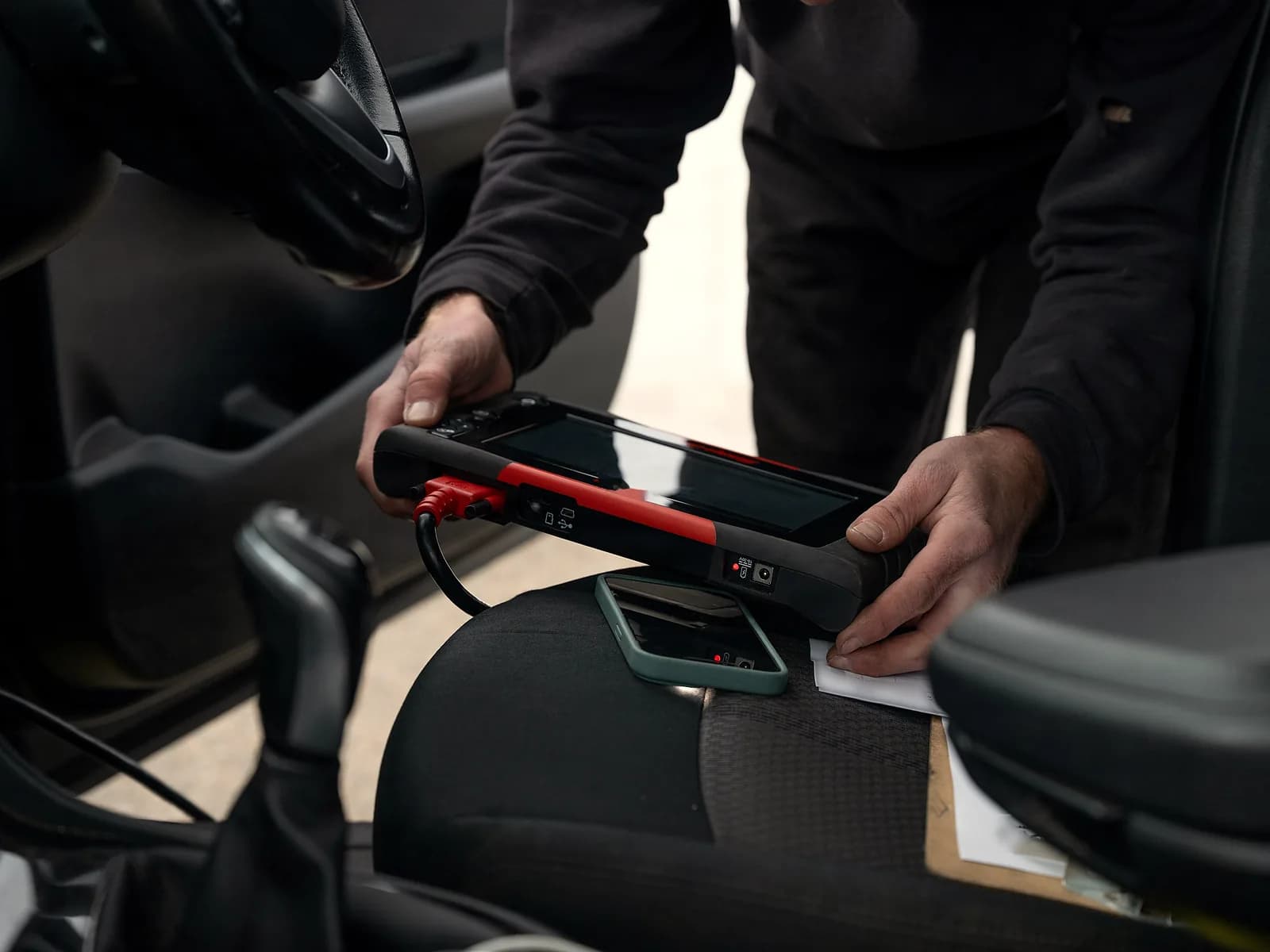
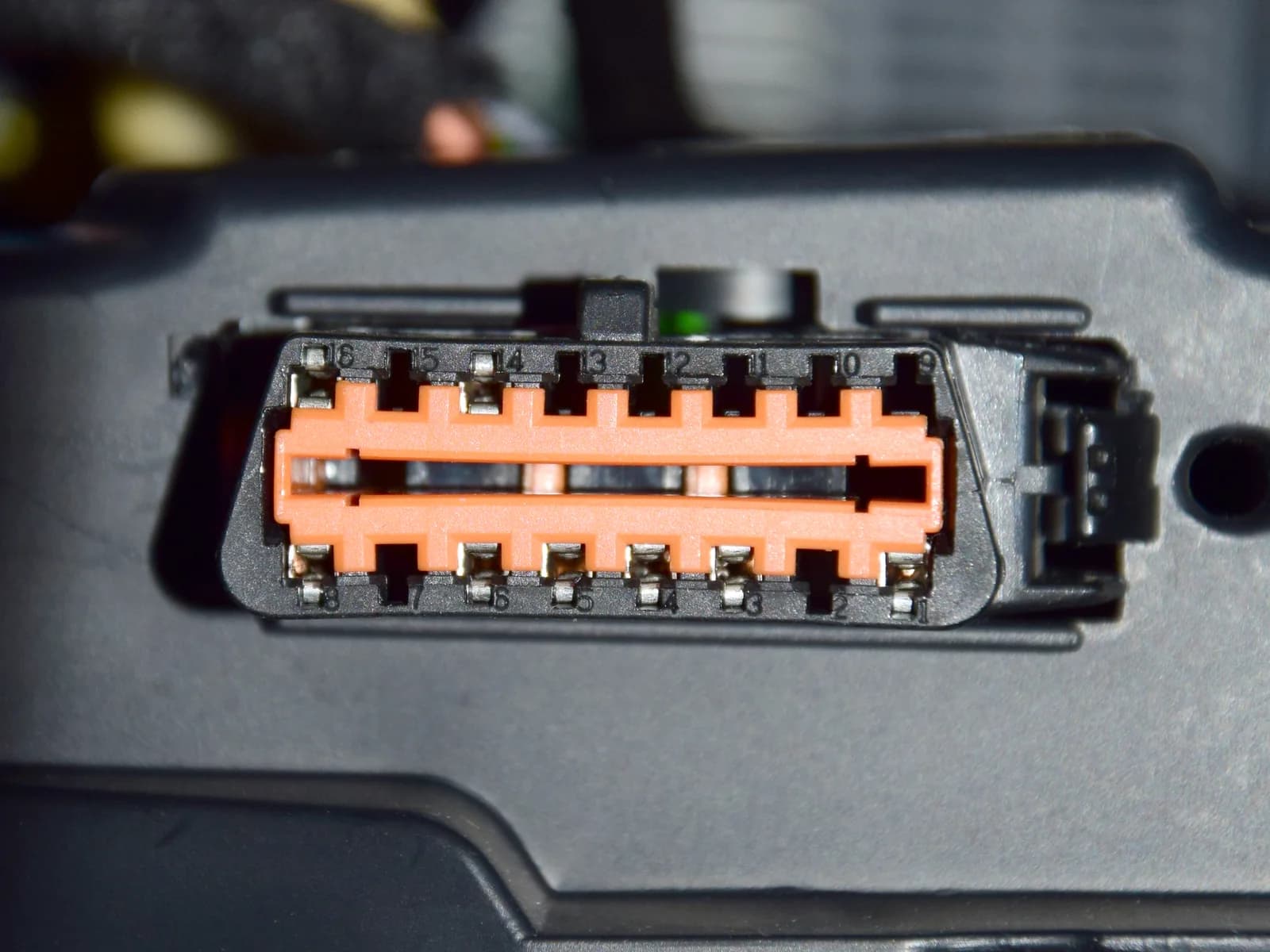 A new key through the OBD portOBD is the port under the steering wheel through which a mechanic reads faults and makes new keys. The thief gets in, plugs in the same kind of device and makes a new key in a few minutes. More about theft through OBD
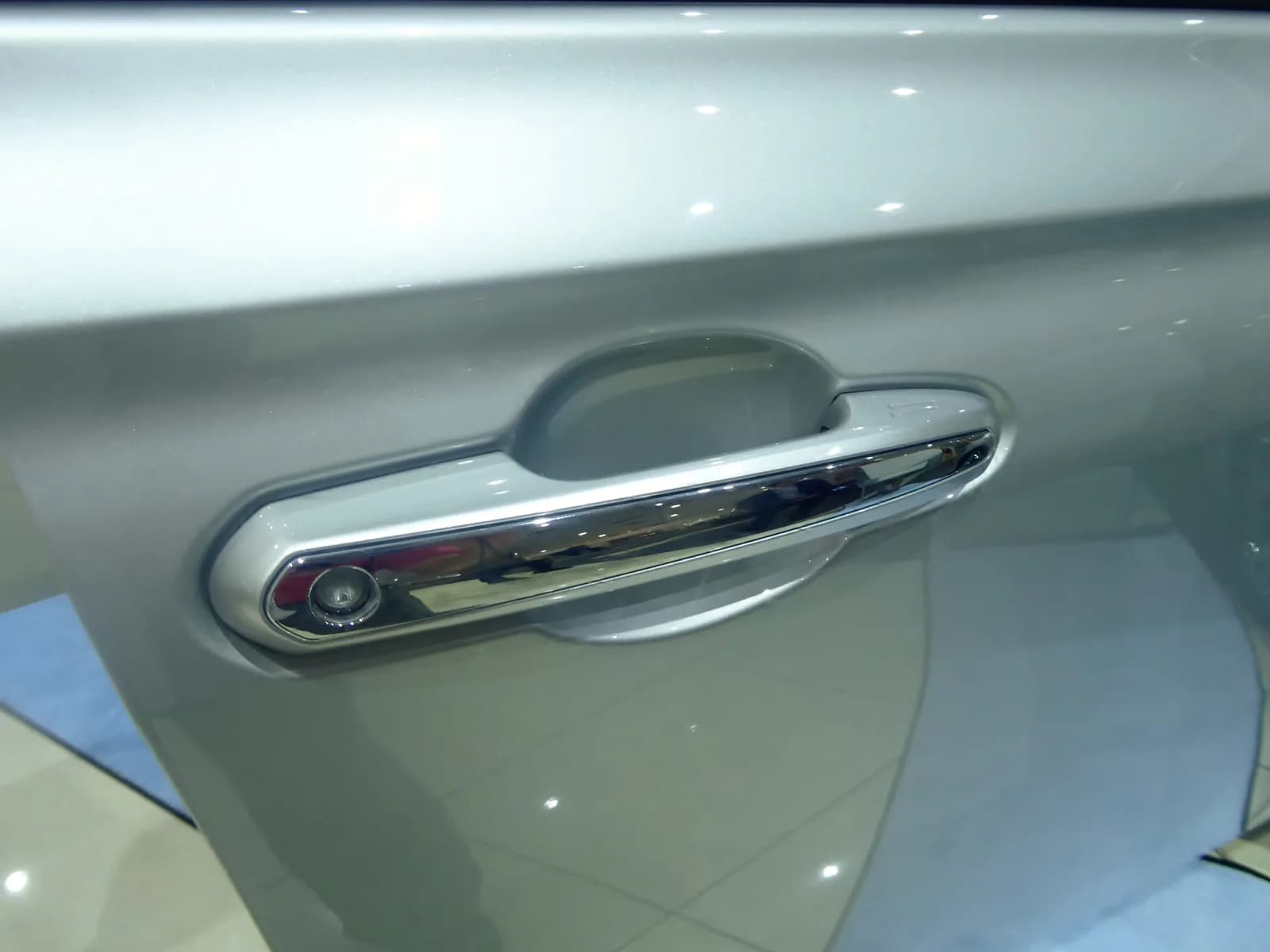 Keyless theftThieves relay the signal of your key to the car, then unlock and start it.
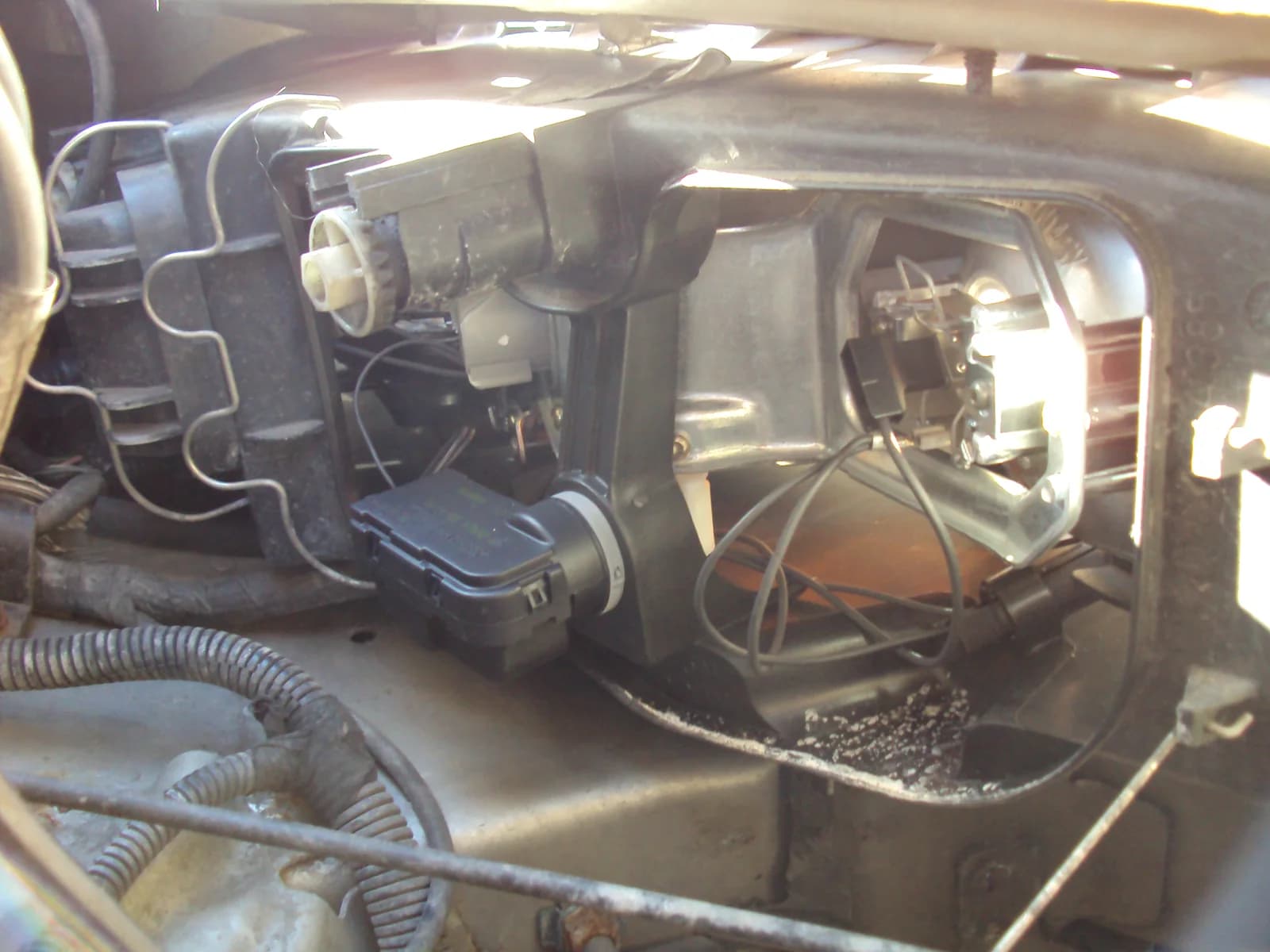 Headlight attackThe thief removes part of the bumper by the headlight and connects to the car's wiring. Through it he unlocks and starts the car.
Against all 3 ways, protection that does not let the engine start without your fob helps: an alarm with an engine lock or an immobiliser. The police also advise protecting the car with mechanical or electronic protection.
A steering wheel lock slows the thief down in all 3 ways, but does not stop him. GPS does not prevent theft, but shows where the stolen car is.
More about the best theft protection