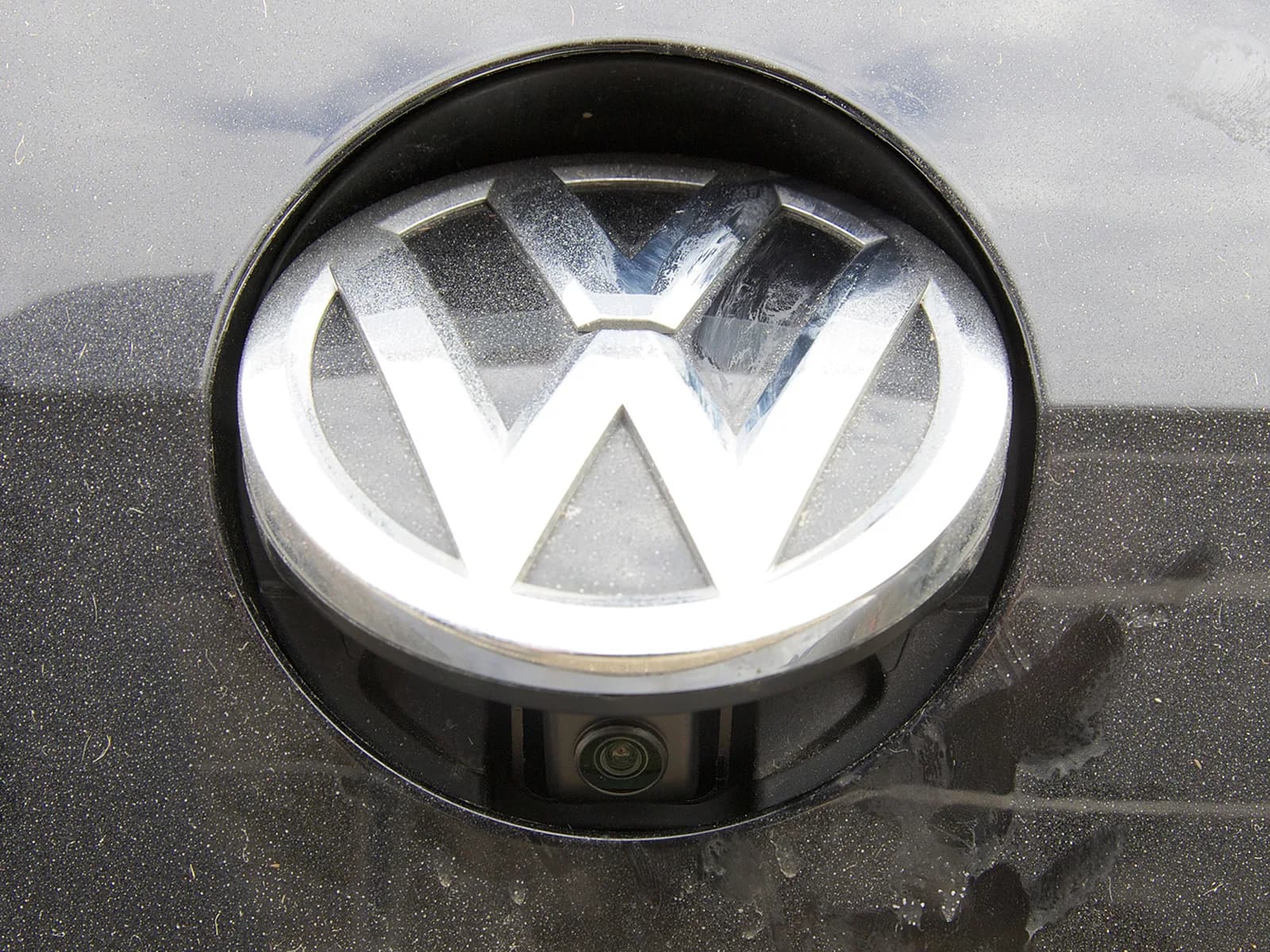
The difference is how the camera is connected to the car
A factory camera is part of the car's system. The car's computer knows when you shift into reverse and shows the picture on the screen by itself, without pressing a button.
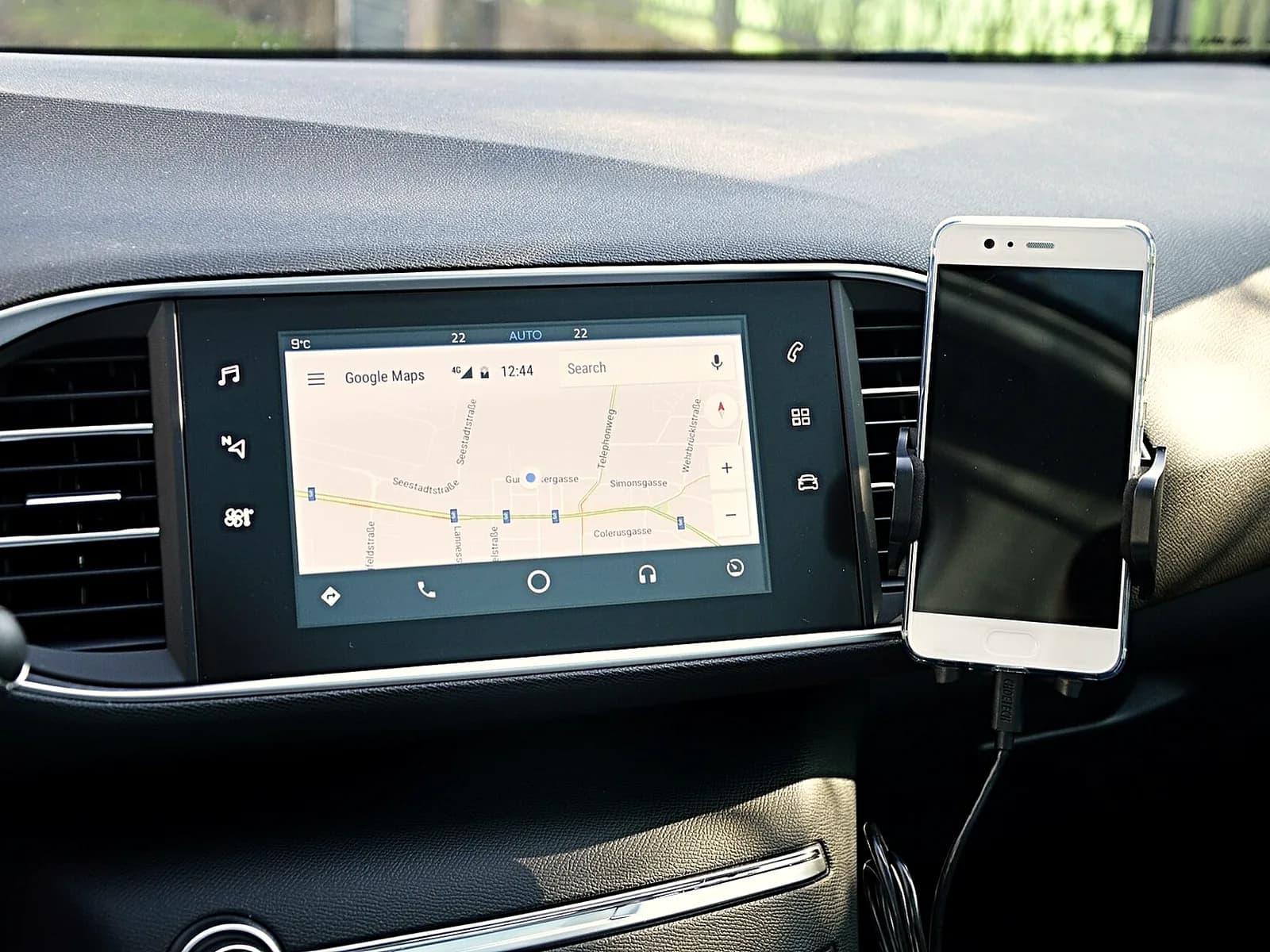
A universal camera works on its own. It gets power from the reversing light or from the head unit, a touch screen that sits in place of the radio. It sends the picture to a screen that has a camera input. That is why we choose a factory camera by model and screen, and a universal one by the screen the picture goes to.
Factory camera: what you get and how we fit it
An original camera is the same part the factory fits to that model. It goes in the place the factory left for a camera, often in the tailgate handle, so it is barely visible. On some cars the lens is washed by itself, together with the rear window.
A retrofit kit is made for an exact model, screen and year. That is why, before fitting, we check whether your screen accepts a camera and which kit suits it.
An aftermarket camera is made by another company, not by the car maker. It is cheaper and also works on the factory screen. For some models it looks the same as the factory one.
Two versions of the factory camera
On some models the manufacturer has two cameras. The simpler one sends the picture straight to the screen. The other has its own module and gives lines that follow the steering wheel and more display modes. Before fitting, we check which one suits your screen, because the lines and the price both depend on it.
After a factory camera is fitted, the car is coded, so the picture appears by itself when you reverse. More about coding
Universal camera: where it goes and what has to match
We fit a universal camera above the number plate, by the plate lights, in a number plate frame or in the bumper. A camera above the plate is visible and more exposed to rain and mud than a factory camera in the tailgate handle.
The camera and the screen must use the same picture signal
Universal cameras do not all send the same kind of picture. Most car screens accept only a standard picture, so a high-resolution camera shows no picture at all on such a screen. That is why we choose the camera by the screen you have, not the other way round.
Power for the camera
When the camera goes to a monitor, we connect it to the reversing light, so it turns on by itself as soon as you shift into reverse.
On some cars the voltage at the reversing light drops when you start the engine, so the picture flickers or disappears. This is a common problem when people connect a camera themselves.
On such cars we run power to the camera another way.
On newer cars the head unit knows by itself when you shift into reverse. It then turns the camera on and gives it steady power.
Fixed and moving lines
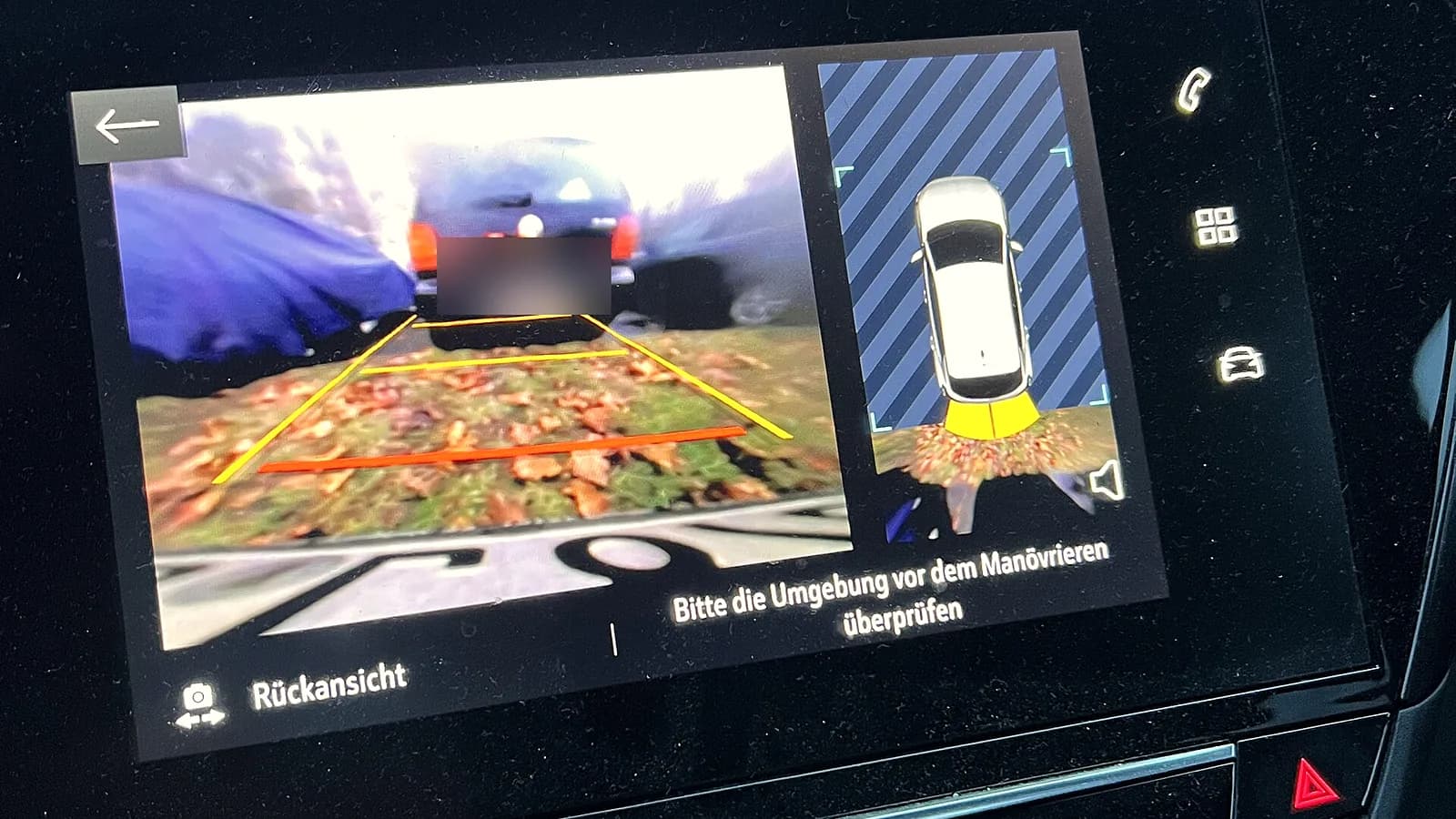
Fixed lines show the width of the car straight behind you. Moving lines bend as you turn the steering wheel and show where the car will go.
Moving lines: depends on the camera and the screen
- A factory camera that supports them: gets the steering data from the car's computer, after coding.
- An ordinary universal camera: the lines stay put, drawn into the picture or by the monitor, set to the width of your car.
- Some universal cameras and head units: also draw moving lines, once we bring them the steering angle data.
The camera has a wide angle, so an object in the picture does not always look as far away as it really is. That is why, with a camera too, you look in the mirrors and over your shoulder.
Which camera suits your car
Find what your car has now. Next to each case is what we fit to it.
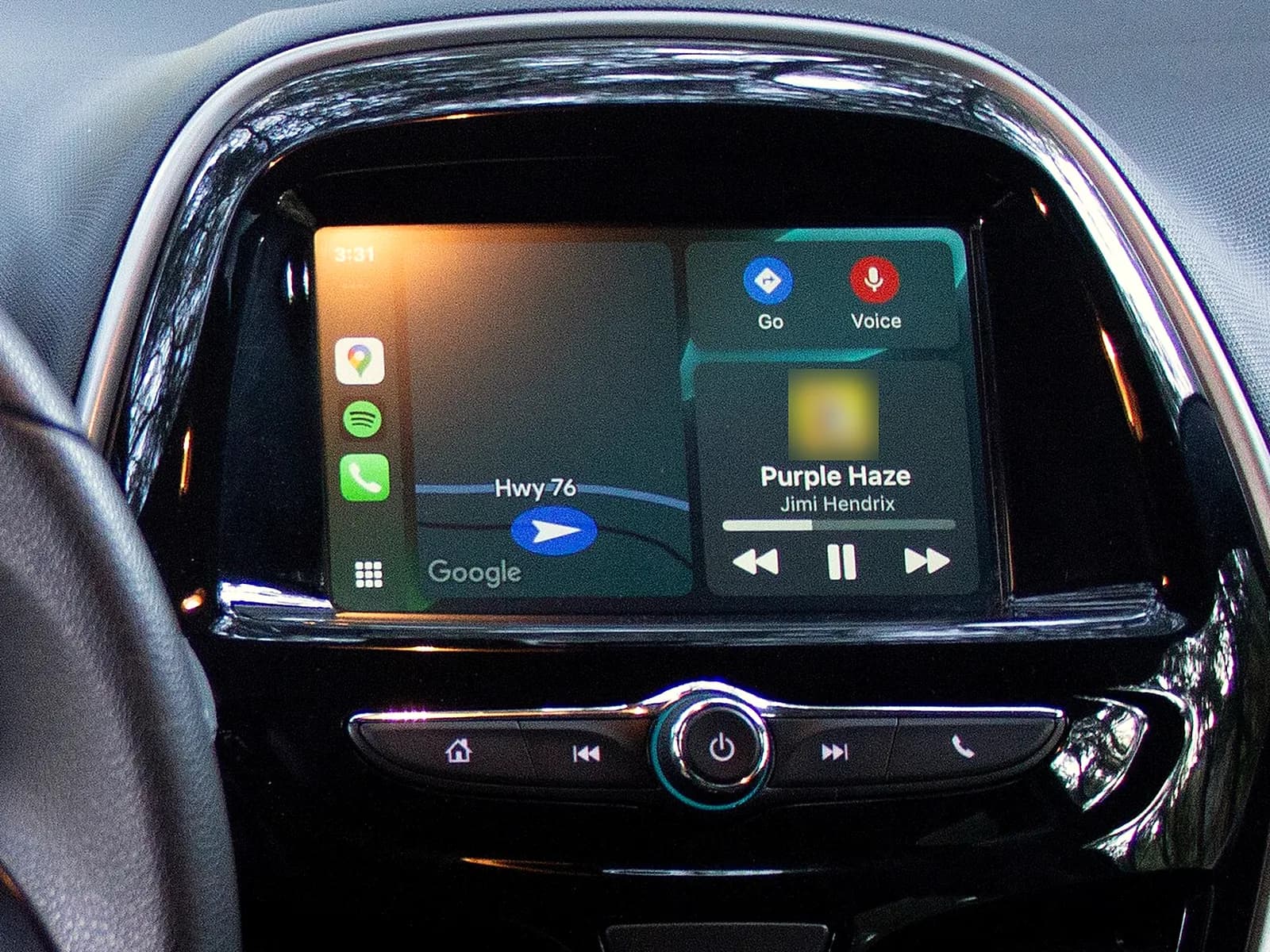
 The car has a factory screen that accepts a cameraAn original or aftermarket camera for your model, with the picture on your screen. After fitting, we code the car. For lines that follow the steering wheel, the camera version that gives them, when it exists for your model.
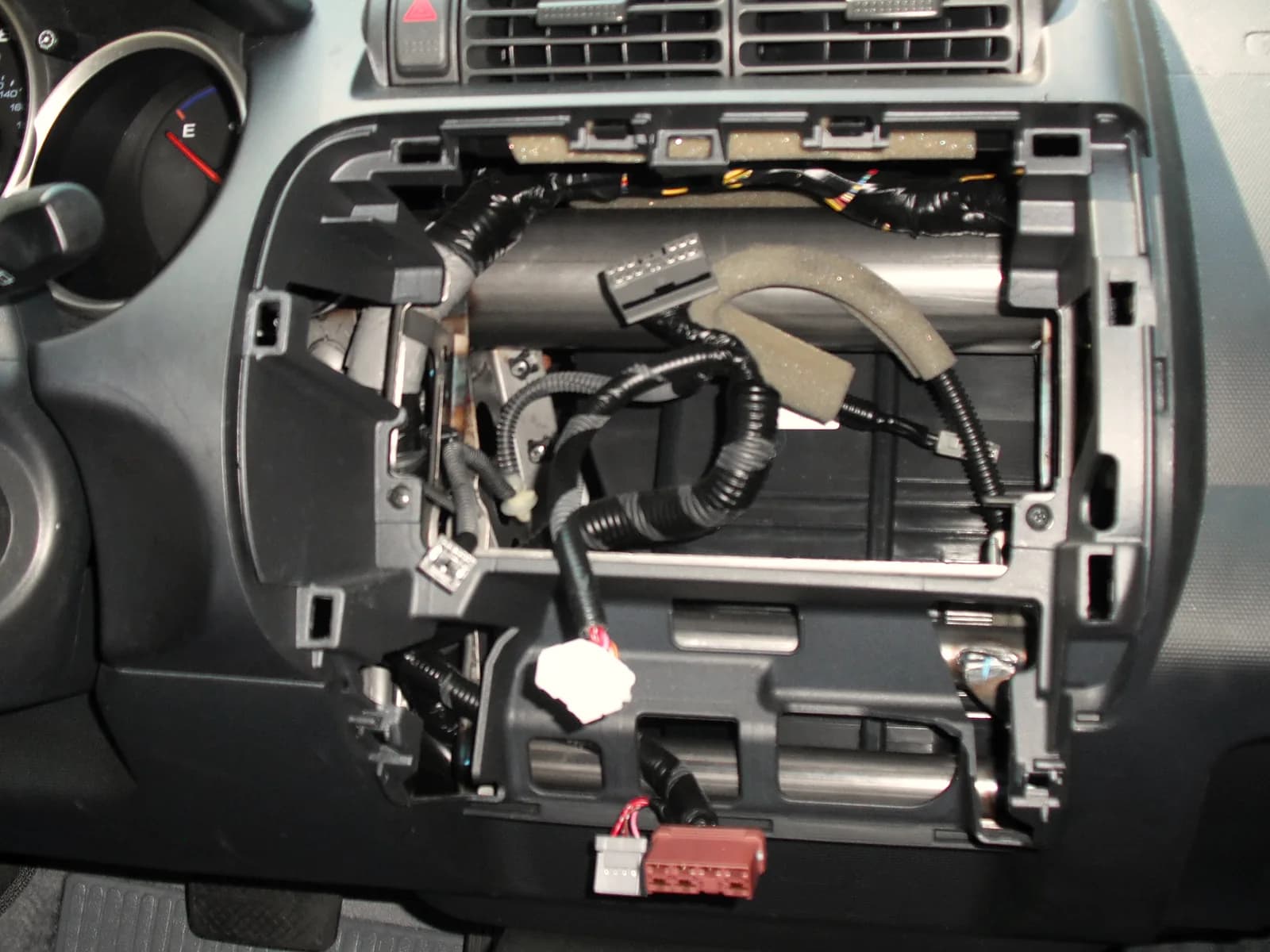 The factory screen does not accept a cameraA universal camera through a special module. The module adapts the picture to the screen and shows it by itself in reverse. On some cars we take out the factory radio for this. The module is made for certain screens, so others get a camera with a monitor or a new head unit.
 The car has a head unit fittedA universal camera on the camera input, with a picture signal your head unit accepts.
 The car has no screenA camera with its own monitor, over the mirror or on the dashboard. More about a camera with a monitor
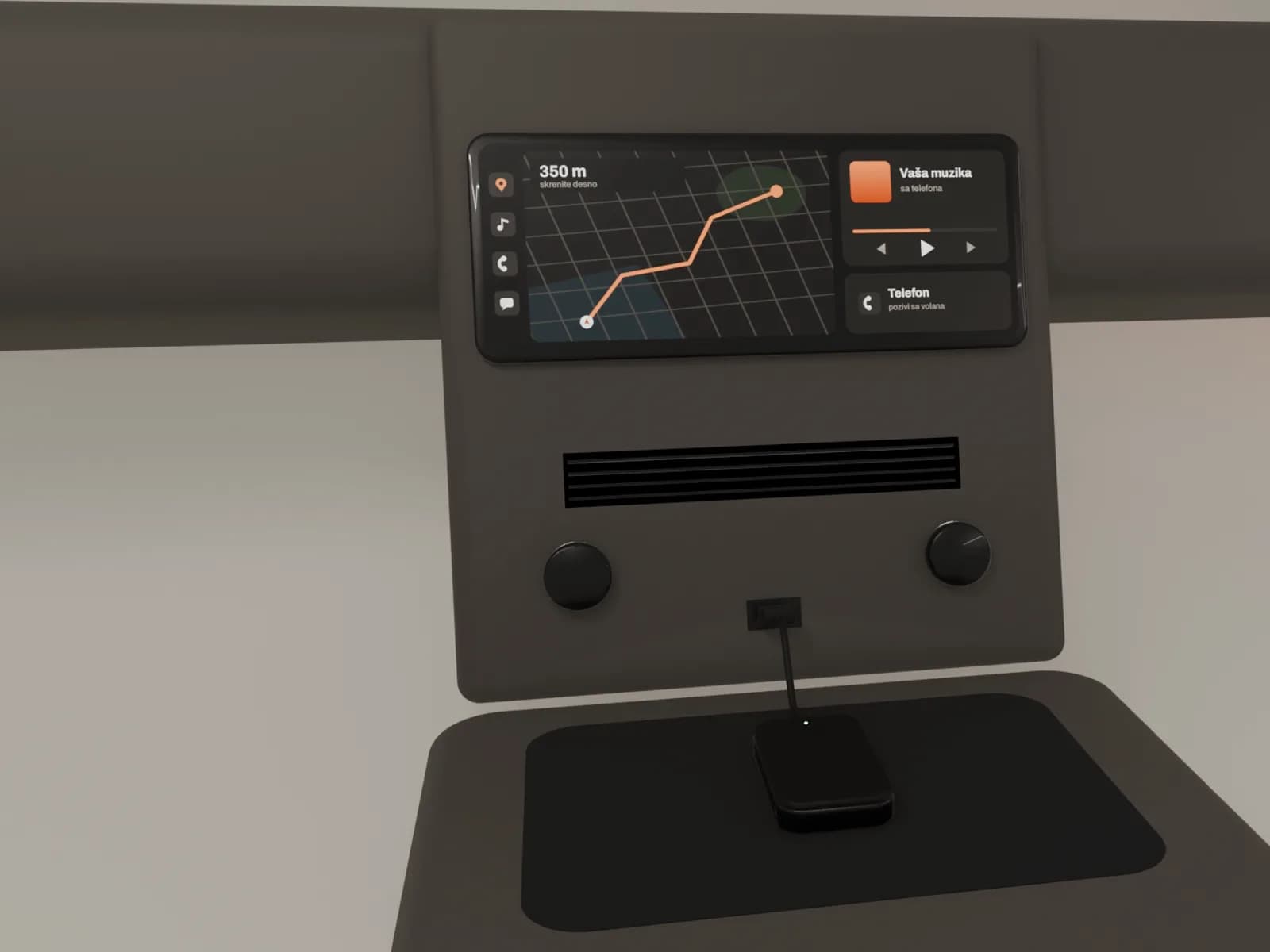
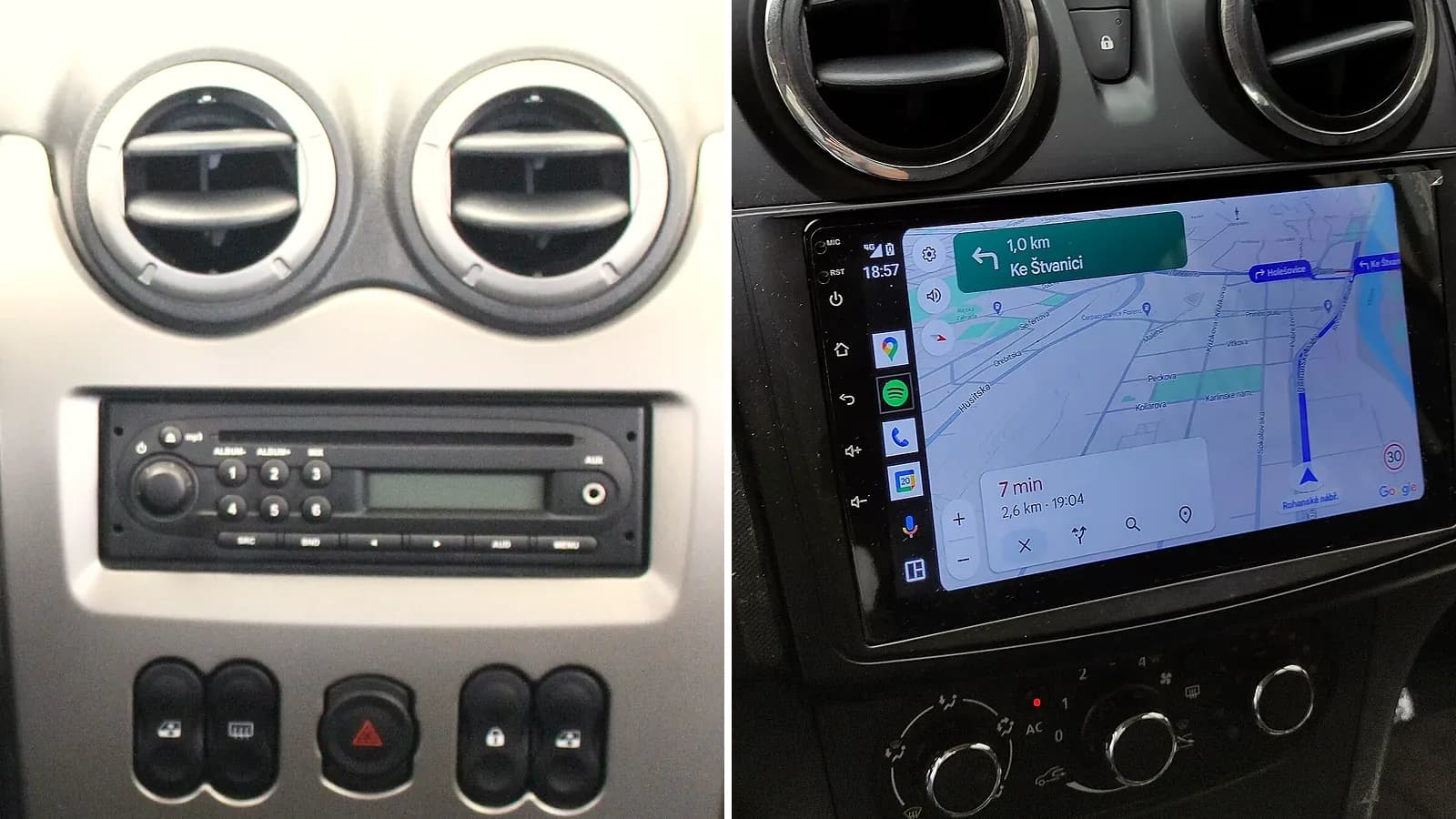 No screen, and you want a touch screenA new head unit in place of the radio, with the camera picture and CarPlay on the same screen. More about head unit installation
Camera and parking sensors together
The camera shows what is behind the car, and the sensors tell you with sound how close you are. On some cars the sensor display sits on the screen next to the camera picture. We also fit the camera and sensors together. More about parking sensors
What the price depends on
There is no single price, because every car needs a different camera and different work.
The price depends on
- A factory, aftermarket or universal camera.
- Whether the screen needs a special module for the picture.
- Whether the camera has fixed lines only or moving lines too.
- How much trim has to come off for the cable to reach the screen.
- Whether the camera needs setting up with a special tool after coding.