What the regulations allow
These rules from the Serbian rulebook on technical requirements for vehicles apply to film and to any other tint added after the factory:
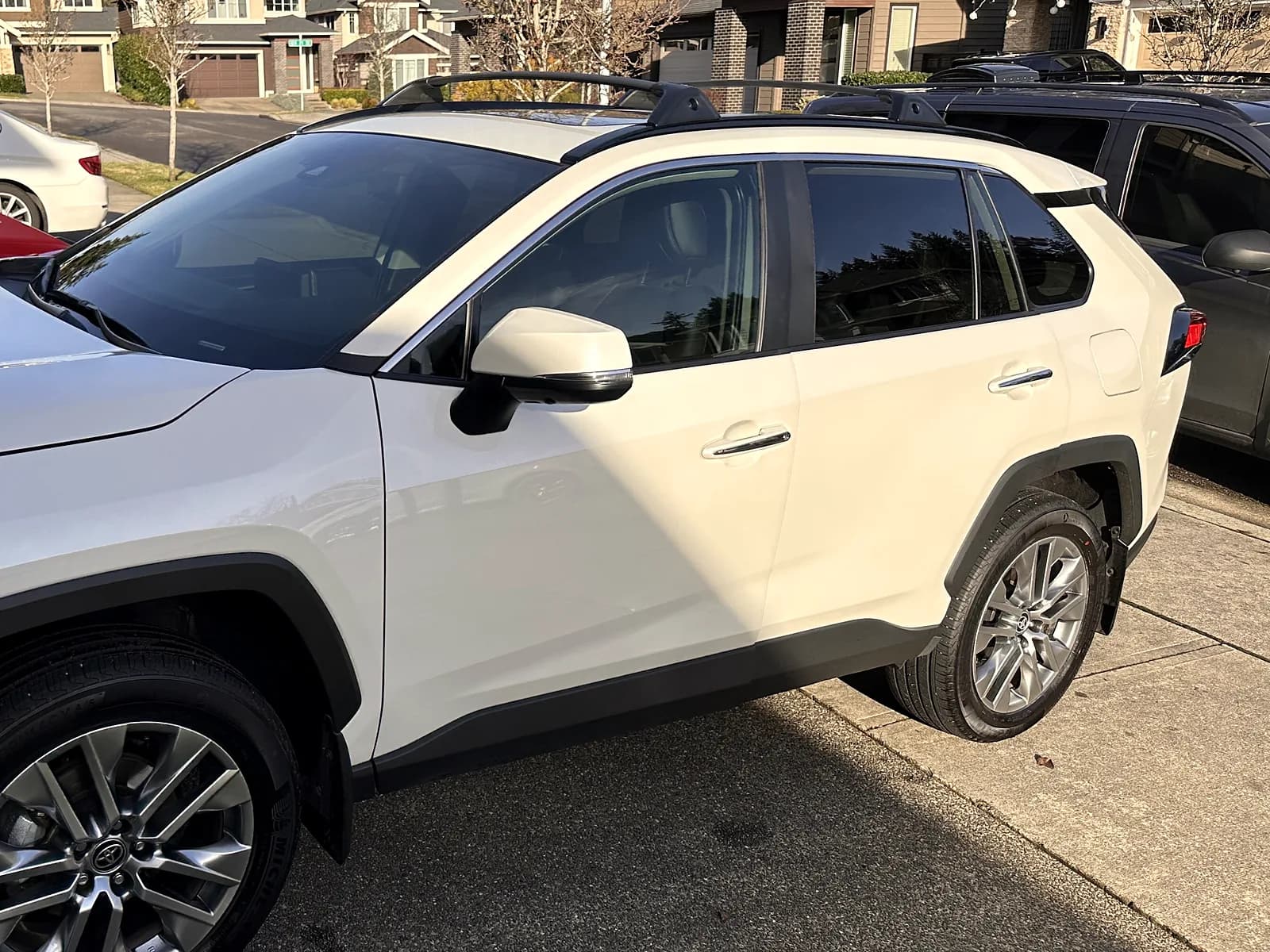
- WindscreenIt is not tinted.
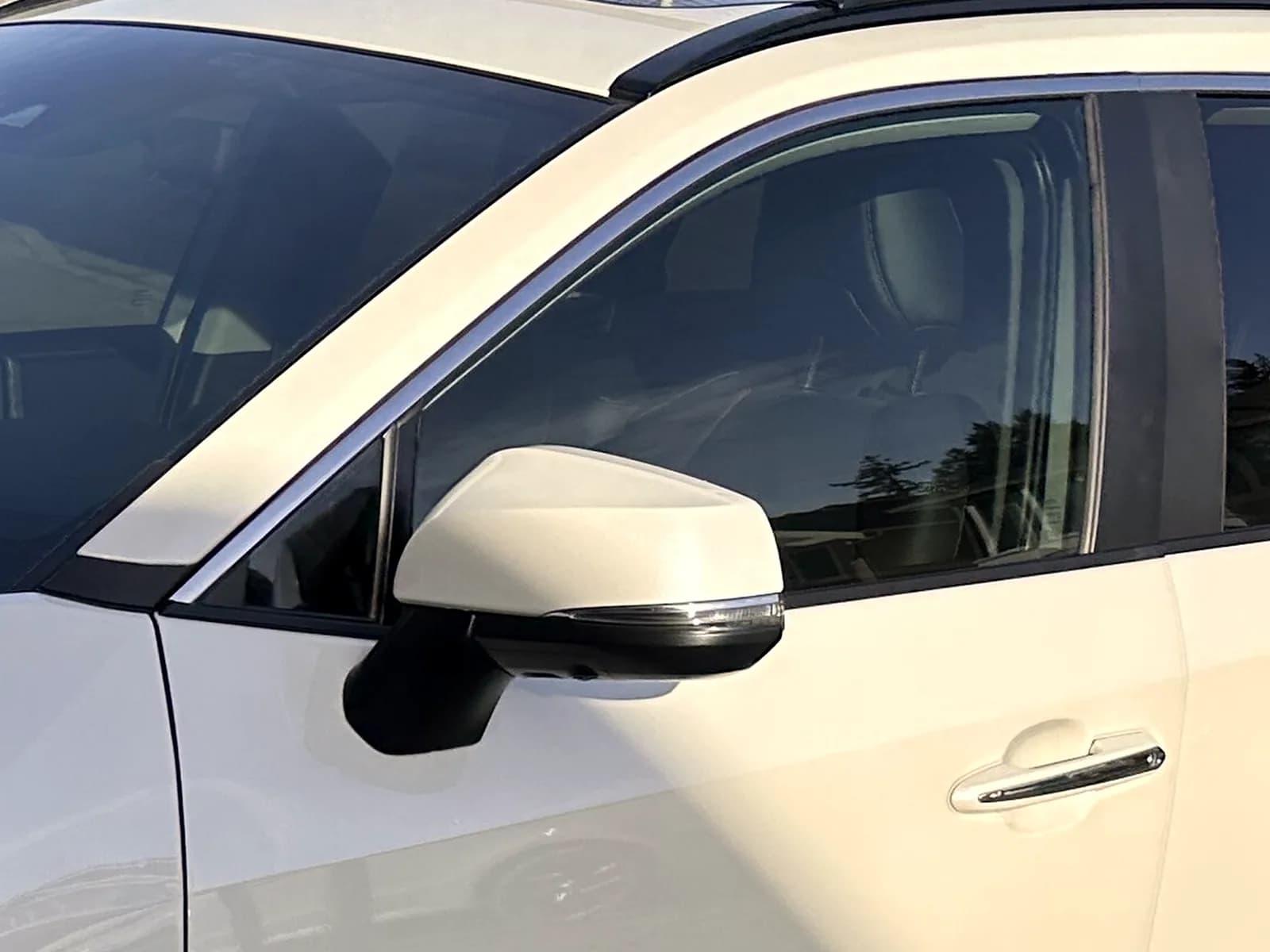 Front side windows, next to the driver and front passengerUp to 30% tint. The glass and the film count together, so factory tint is part of those 30%.
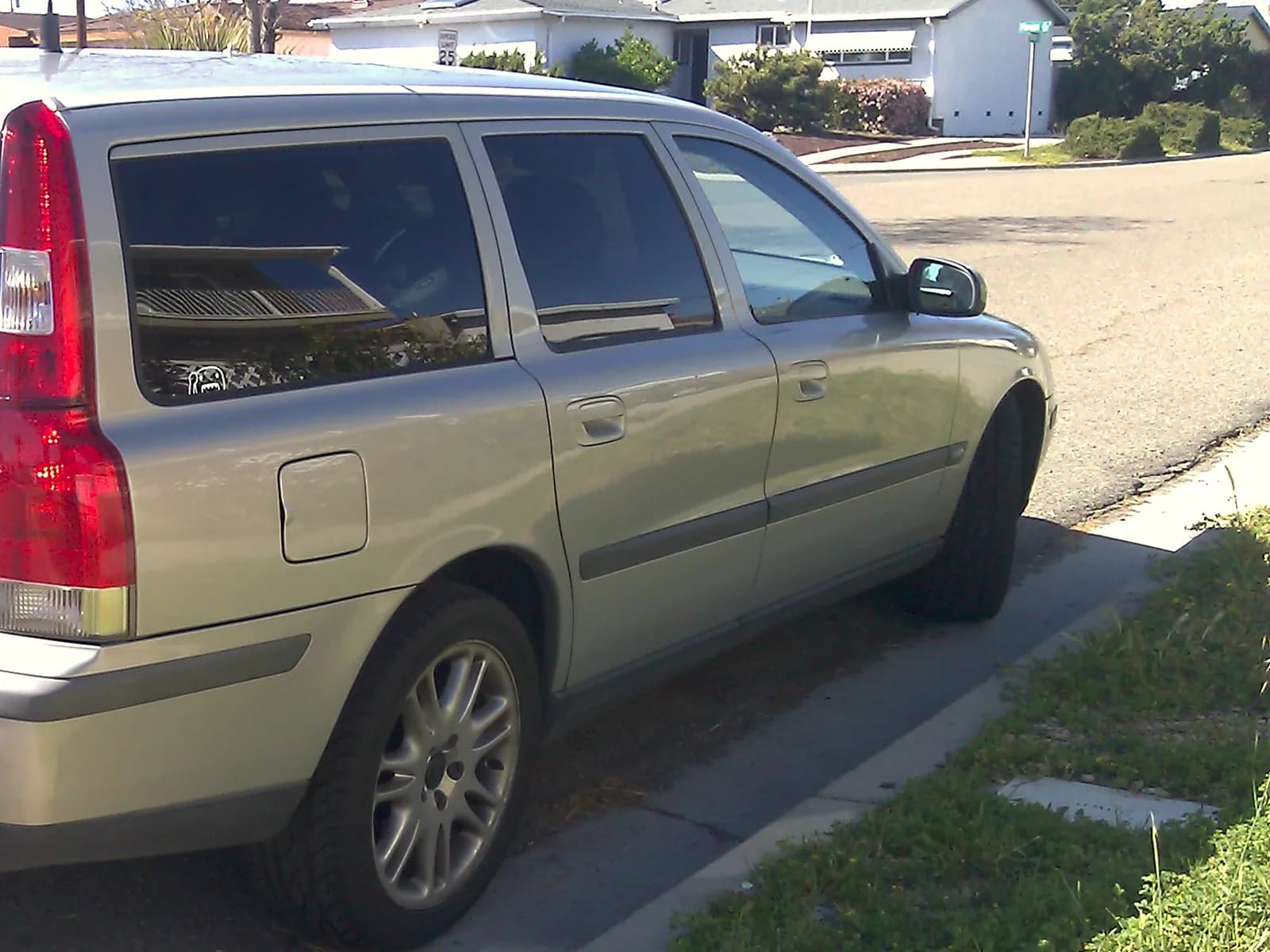 Rear side windows and the rear windowNo limit, they may even be fully dark. The condition is that the car has two outside mirrors, left and right.
- All windowsGlass may reflect at most 15% of light, so it does not dazzle other drivers. Mirror-effect film must also stay within that limit.
30% tint means at least 70% light
A front side window may block at most 30% of light, so it must let at least 70% through. That is why you hear both "30%" and "70%". It is the same limit, said two ways.
Film with 30% tint is almost clear. When the front window already has a slight factory tint, it takes the lightest film, so the glass and the film together stay within the limit.
Light film on the front windows still blocks heat
How dark a film is and how much heat it blocks are two different things. Besides the light you see, the sun also sends infrared and UV rays, which you do not see. Much of the heat you feel through the glass comes from infrared rays. How many of them a film stops depends on its material, not only on its colour.
That is why we recommend ceramic film for the front windows. It blocks more heat than ordinary film of the same darkness, which is made dark only by dye. The glass stays light and within the limit, and the driver is cooler.
Side windows let UVA rays through, and they age the skin. Clear UV film blocks up to 99% of UV rays, and darker film does not protect from UV any better. More about protecting your car from the sun
How to get the certificate
You get the certificate when the car with the film passes the test. The certificate is a document from the Road Traffic Safety Agency confirming that the car meets the requirements. This is the order:
- We fit film of a type approved by the Road Traffic Safety Agency. That approval is proof that the film meets the requirements and may be fitted to a car. Without it, the car cannot be tested.
- We give you the papers for the test: a statement about the fitted film and the approval for the film type.
- You drive the car to an authorised testing centre. Bring those papers and the registration certificate, and if the car is not in your name, the owner's authorisation.
- There they check the papers and measure the tint and reflection of the windows. They also check that the car has the mirrors.
- When the car passes the test, the Agency issues the certificate for the car.
The certificate does not need a technical inspection, because only the windows and mirrors are tested.
Once you have the certificate
Keep one copy of the certificate in the car. The Serbian Road Traffic Safety Act requires it to be in the car while you drive and to be shown to the police when they ask. You also show it at the technical inspection.
When a car with film has not been tested
After film is fitted, the car must be tested before it goes back on the road. If you drive a car that has not been tested, the Road Traffic Safety Act provides for this:
- The police take the car off the road and remove the plates. The plates are returned once the police establish that the reason has been removed.
- The fine is 10,000 to 20,000 dinars.
- Without the certificate, the regular technical inspection is not carried out.
If the car has been tested but a copy of the certificate is not in the car while you drive, the fine is 5,000 dinars.
You bought a car with film and no certificate
You bought a car with film: it depends on the papers
- You do not know which film it is and have no papers: testing requires the approval for the film type. When there is none, we remove the old film together with the glue and fit new film, with the papers for the certificate.
- The car is imported and already has film: it can be tested without the film approval if the film was tested abroad and this is written in the registration certificate or a separate document. Without that proof, it needs new film with type approval.