What OBD diagnostics is
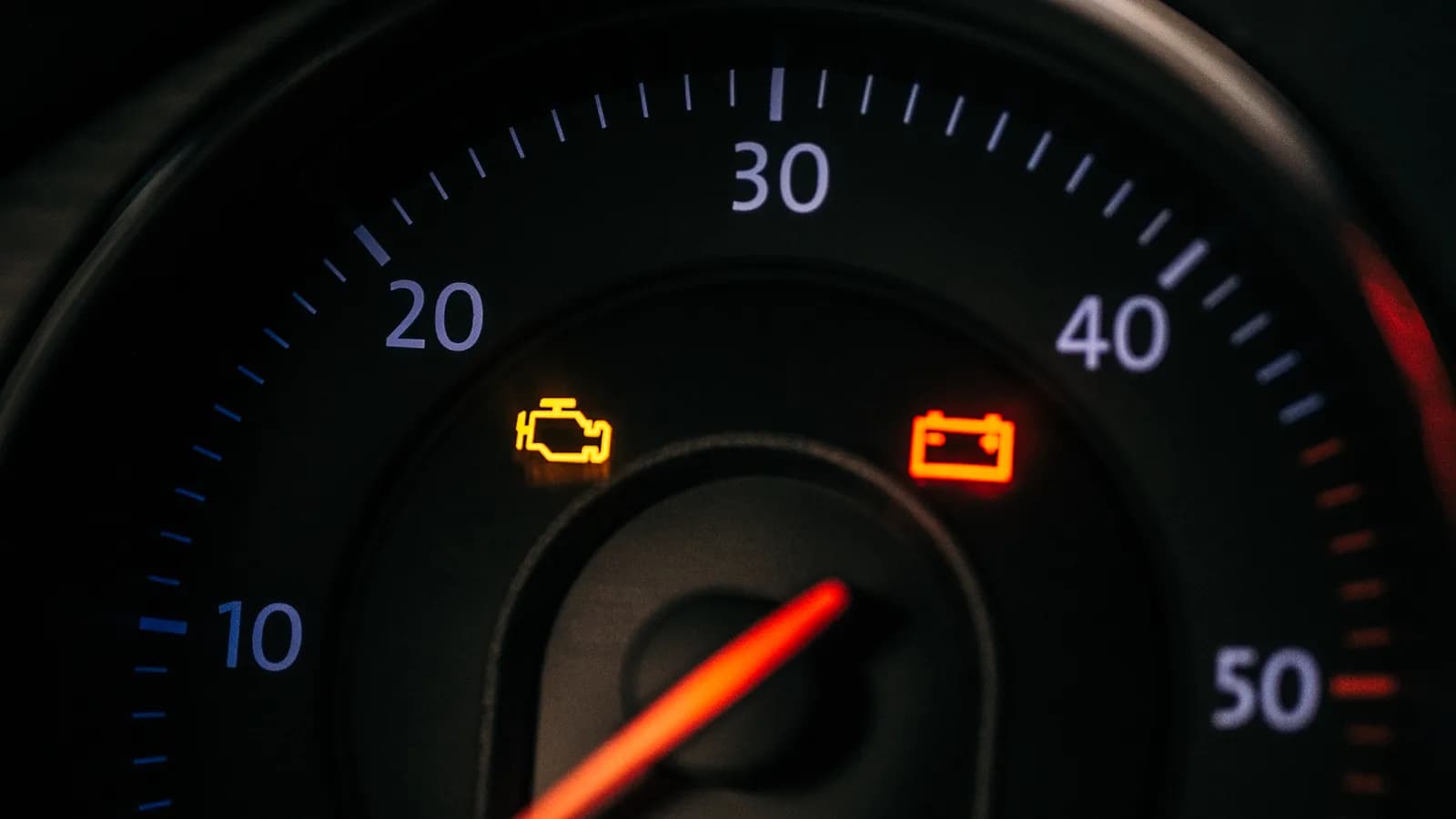
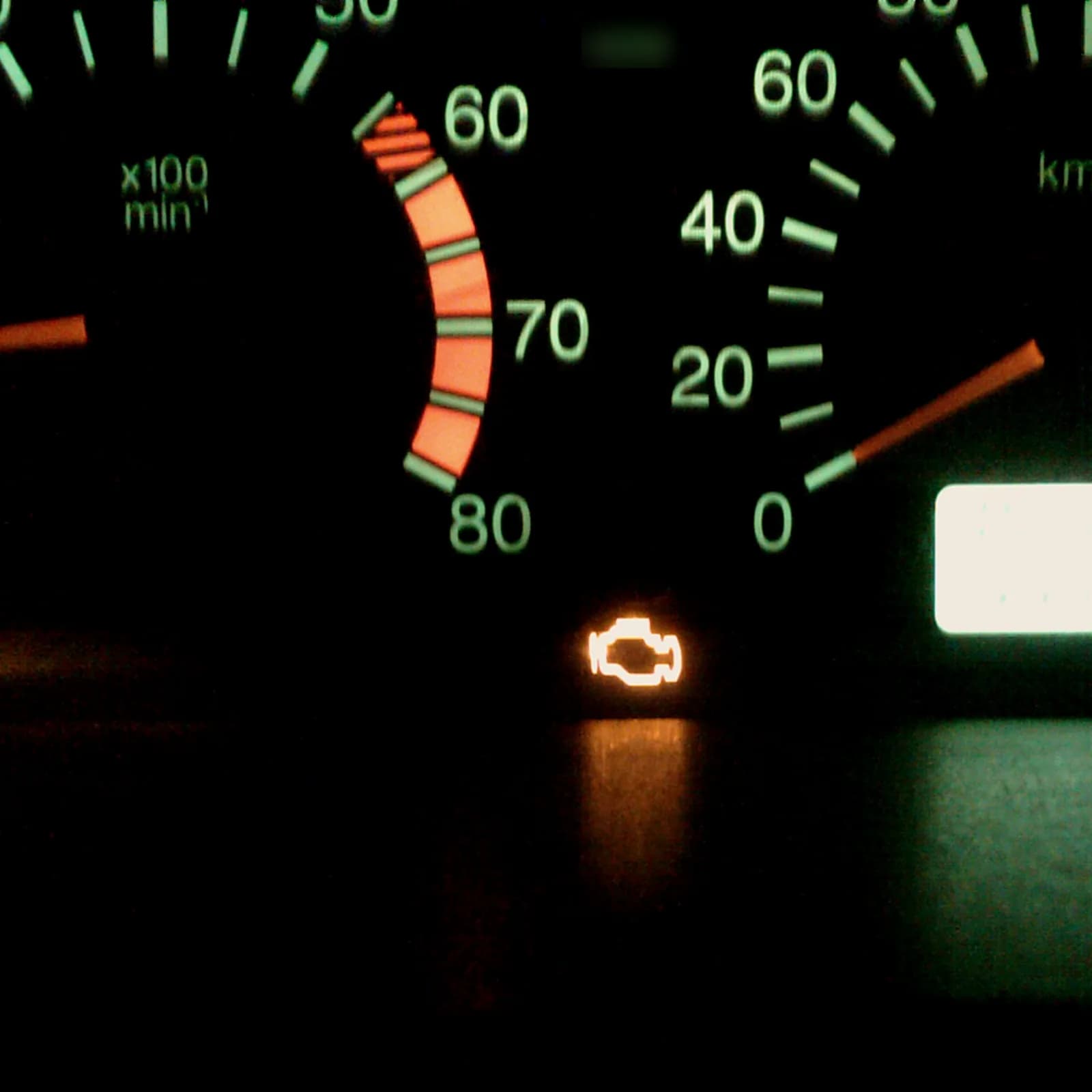
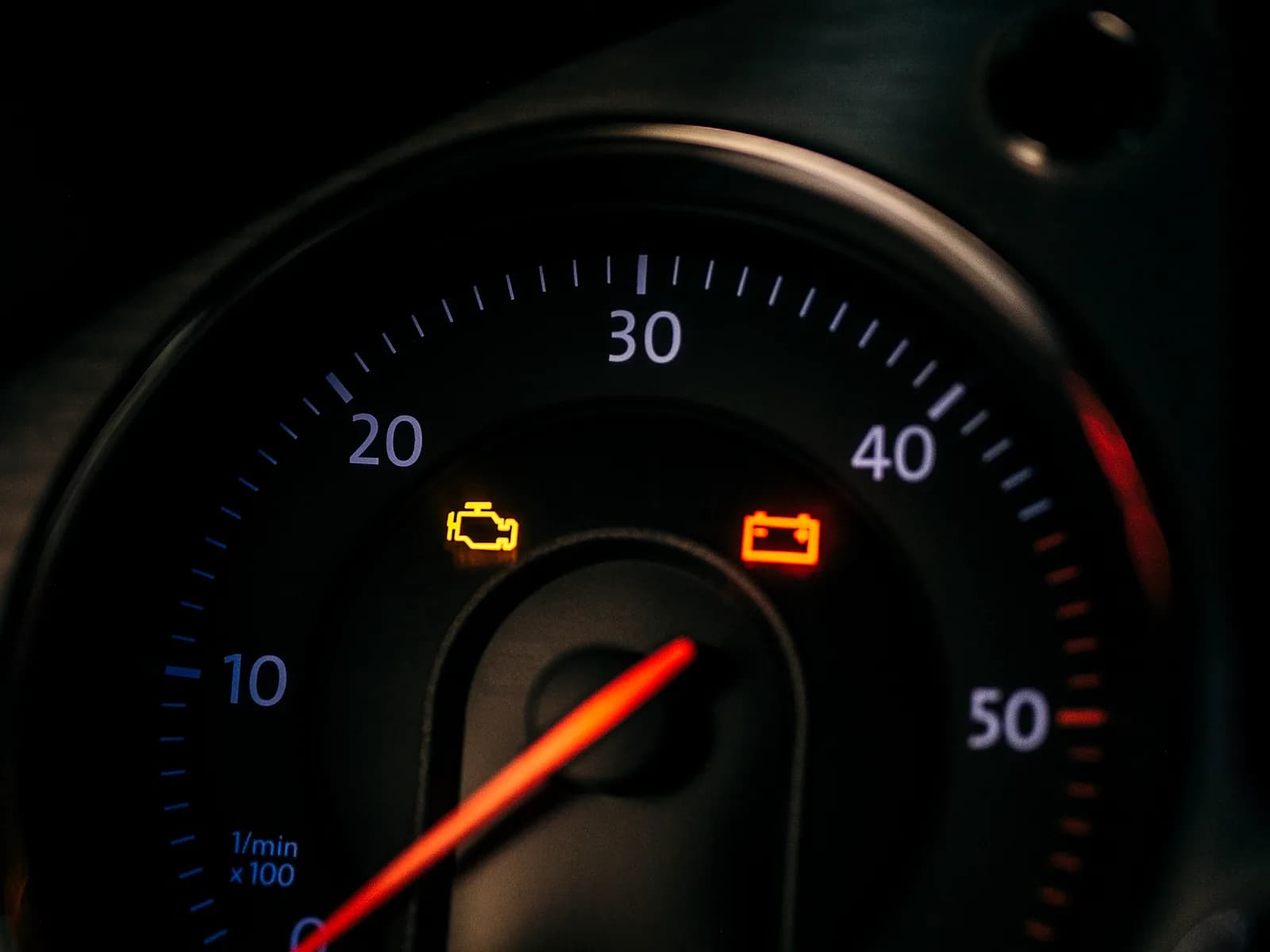
OBD diagnostics reads the faults the computers in the car have recorded. The computers constantly check the engine and the parts that clean the exhaust gases. When something is not working as it should, they record a fault and turn on the engine light on the dashboard.
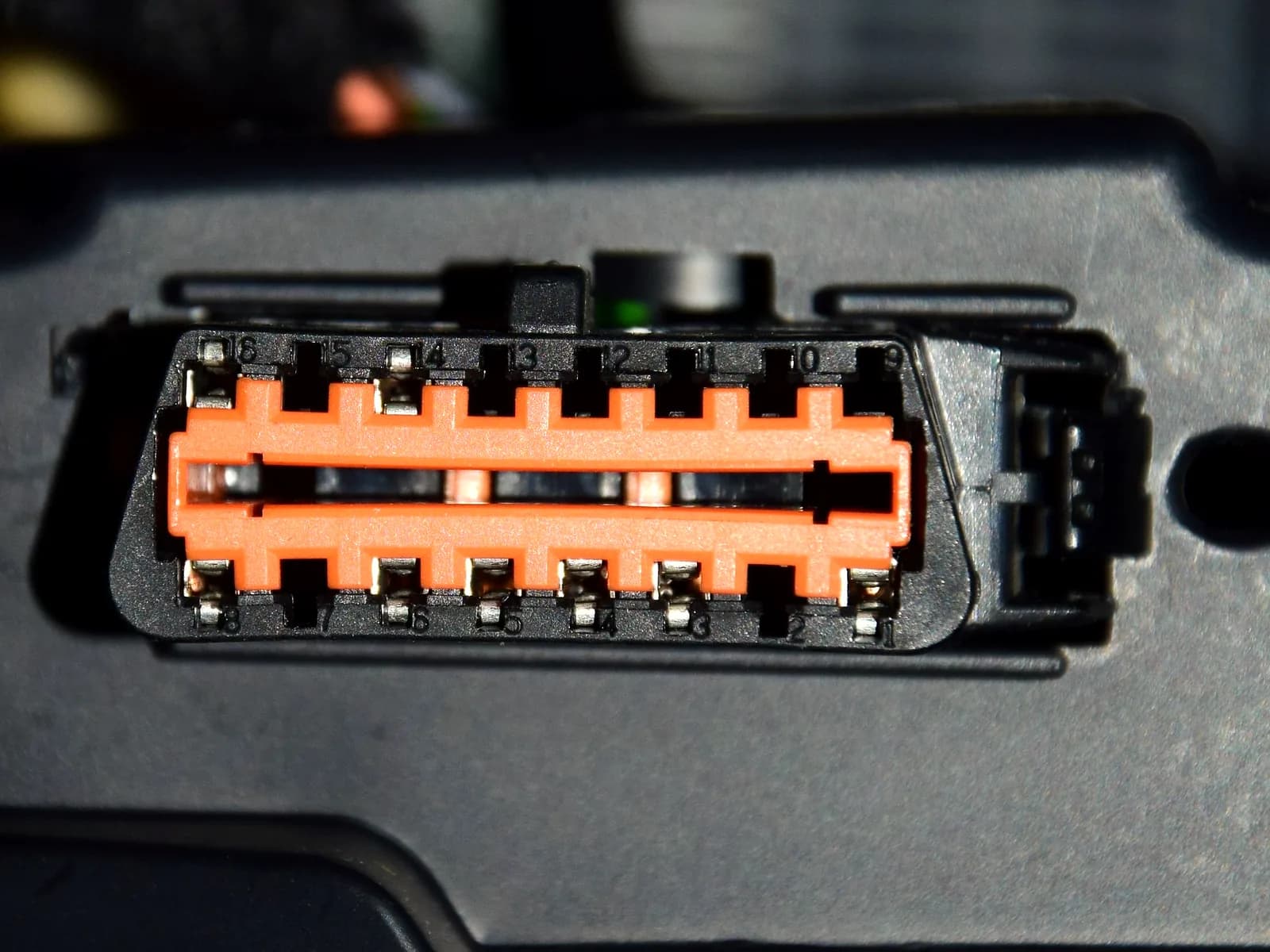
The OBD port is where those faults are read. It has 16 contacts (pins) and the same shape on every car with OBD, so the same device plugs into any of them. It is most often under the steering wheel, on the driver’s side. More about the OBD port
OBD2 is the name of today’s OBD system, so the same thing is also called OBD2 diagnostics. In Europe it is called EOBD. On cars that have it, the Serbian technical inspection checks the system that reports faults in the exhaust emission equipment through the OBD port. That is the engine light. More about OBD at the technical inspection
Whether a car has OBD2 depends on fuel and year
- Petrol: from 2001.
- Diesel: from 2004.
- Electric cars: not required, so most do not answer the adapter.
What a cheap ELM327 adapter does not see
ELM327 is an adapter that plugs into the OBD port and sends data to an app on your phone over Bluetooth or Wi-Fi. A cheap ELM327 adapter reads what the OBD2 standard requires: faults and data related to exhaust emissions. The other computers in the car follow the manufacturer’s rules, and they need a tool that works with your make.
That is why a phone adapter usually does not see this:
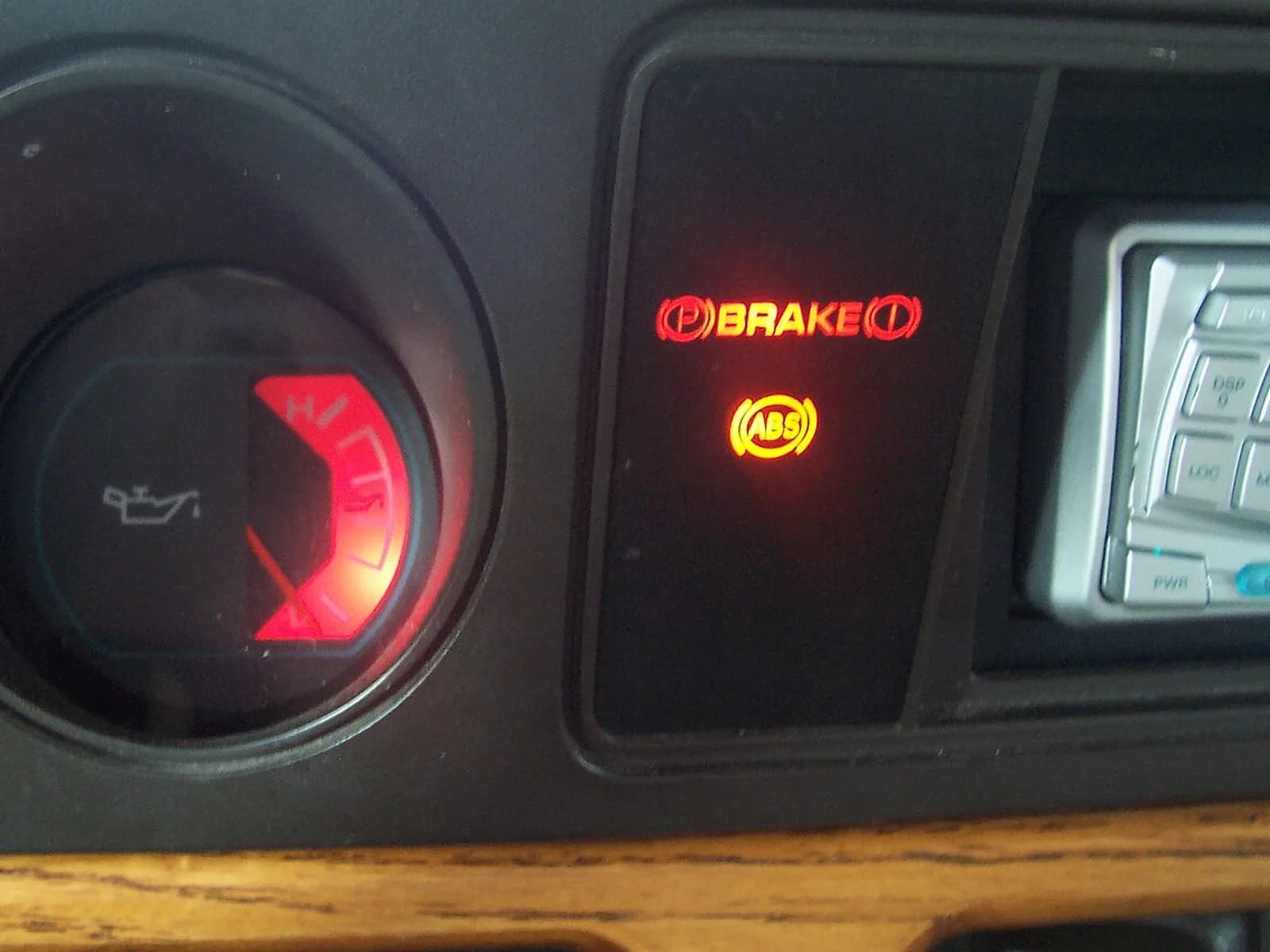 ABS, airbags, air conditioning and keysThe ABS or airbag light is on, and the app says there are no faults.
- The meaning of codes added by the car manufacturerThe manufacturer decides what they mean, so a tool for your make explains them.
An adapter labelled “ELM327 v1.5” is a copy. The chip maker never made that version. The copy works like an older version, with its flaws.
An adapter left in the port draws power even when the car is off, so the battery can go flat when the car stands for days.
What OBD diagnostics shows
The fault code is only the start. From the car’s computers we also read this:
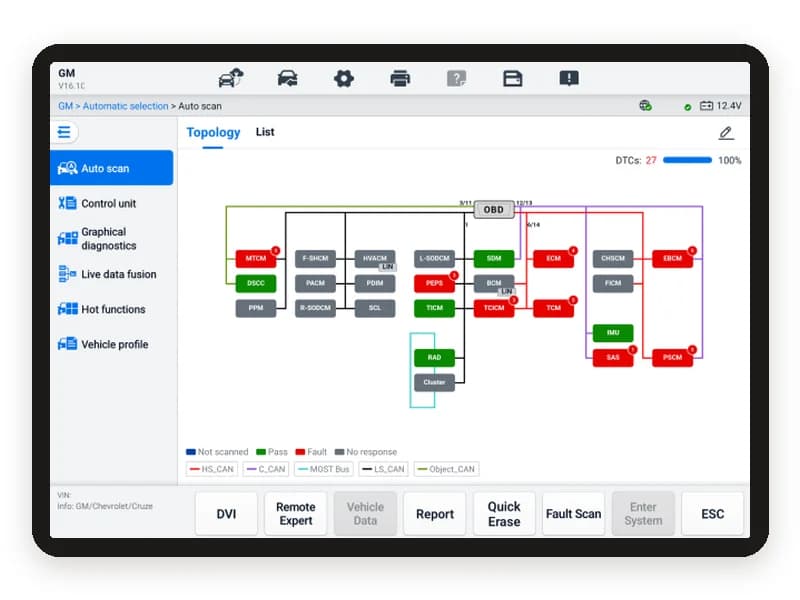 Stored faultsFaults the computer has seen and recorded.
- Pending faultsA fault the computer noticed during the last drive. After a repair, this shows whether the fault is coming back.
- Engine conditions at the moment of the faultWith the fault, the computer stores the revs, engine temperature and speed. This shows us under what conditions the fault appears.
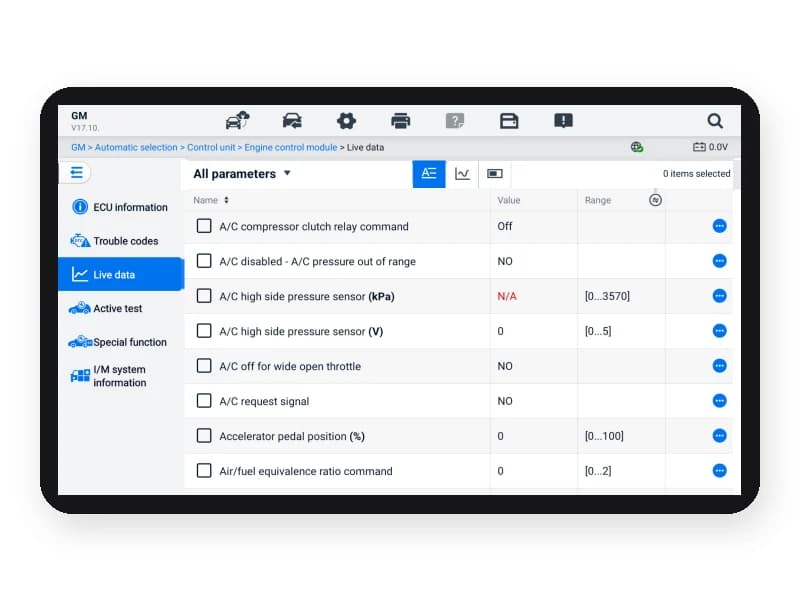 Live engine dataWhile the engine runs, we watch the revs, temperature and sensor values. This helps when the fault code alone does not say enough.
- Whether the car has finished its own checksAfter the faults are cleared or the battery is disconnected, the car has to be driven for a while before it checks all systems again. Unfinished checks show that the faults were cleared recently or the battery was recently disconnected.
- Distance since the faults were clearedSome cars remember how far they have driven since the faults were cleared.
What a fault code means
A fault code has a letter and 4 numbers, for example P0300. The letter tells you which part of the car reports the fault:
| Letter | Part of the car |
|---|---|
| P | Engine and gearbox |
| C | Brakes, ABS, steering and suspension |
| B | Airbags, air conditioning and the rest of the cabin |
| U | The link between the computers in the car |
The first number after the letter tells you who defined the code. A code with 0 is the same on every car. A code with 1 is a car manufacturer code, so only a tool for your make reads it exactly.
For engine faults, with the letter P, the second number tells you which system reports the fault:
| Code starts with | What reports the fault |
|---|---|
| P01, P02 | Fuel and air |
| P03 | Ignition and engine misfire |
| P04 | Exhaust emission equipment |
| P05 | Speed and idle |
| P06 | Engine computer |
| P07, P08 | Gearbox |
The last two numbers tell you which fault it is within that system.
The code tells us where to look, not which part to replace
The same fault can have several causes. P0171, for example, means the engine is getting too much air and too little fuel. The cause can be air getting in through a crack in a hose, a dirty sensor that measures the air, low fuel pressure or a bad lambda sensor, the sensor that measures oxygen in the exhaust gases.
That is why live engine data is checked before any part is replaced.
Clearing a fault does not fix it
Clearing only turns off the light, and the fault stays. If the fault is not repaired, the fault and the light come back.
Clearing also deletes the record of engine conditions at the moment of the fault. Without that record, we cannot see under what conditions the fault appeared. That is why we clear faults after the repair, not before it. After clearing, the car starts its checks from the beginning.
When to get OBD diagnostics
Get OBD diagnostics when a light comes on on the dashboard, because the car has then noticed a fault. These are some of those lights:
- The engine light is onYou find out what the fault is and whether you can drive on. More about dashboard warning lights
- The light came on, then went outThe fault stays recorded even when the light goes out by itself. The computer may erase it only when the same fault does not come back in at least 40 drives, so we read it even when the light is no longer on.
- The ABS, airbag or another light is onWe read the computer that turned the light on, not just the engine. More about the ABS light
 You are buying a used carBefore you pay, you see the faults and whether they were cleared recently.
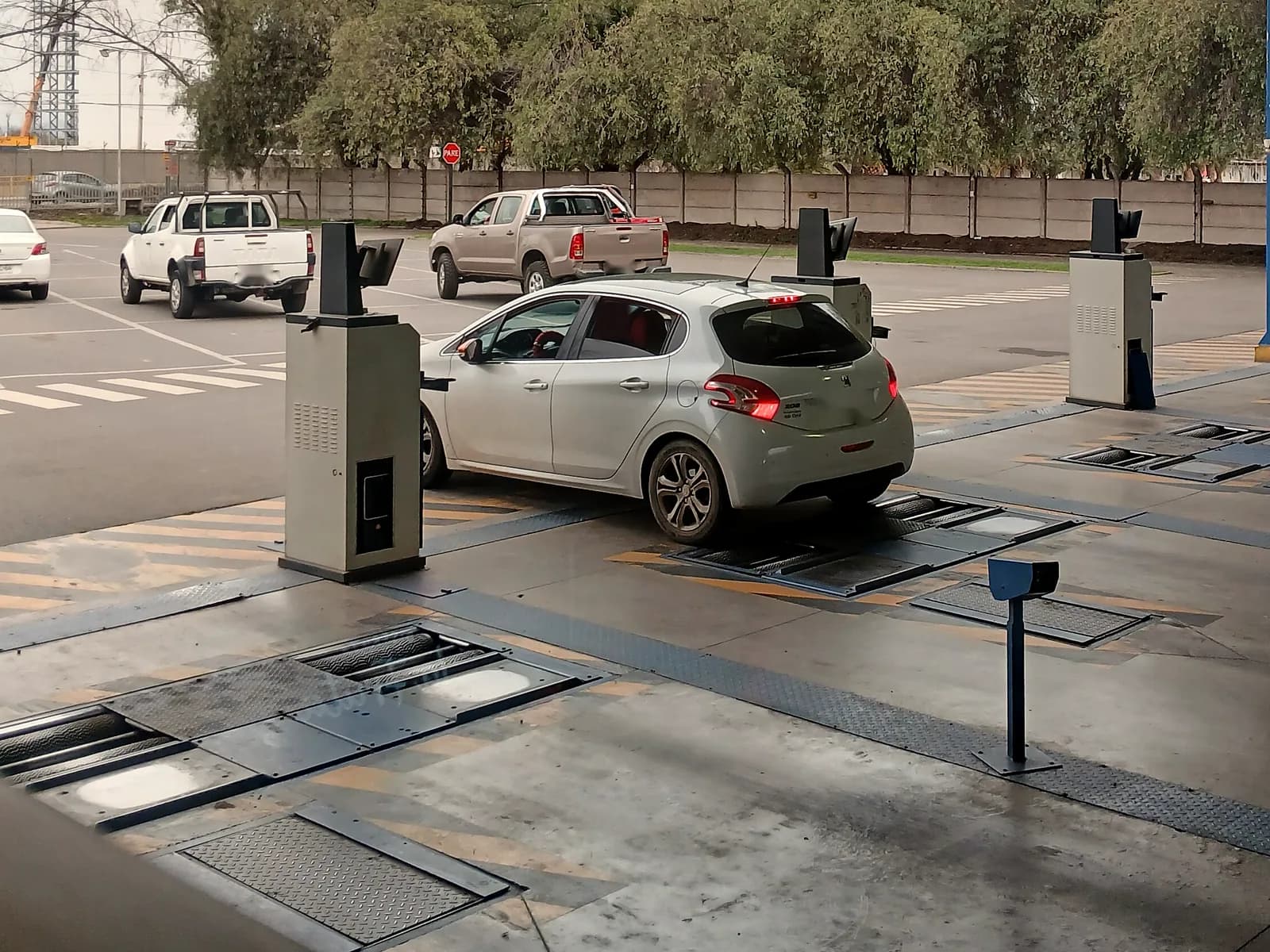 The technical inspection is in a few daysYou see in time the fault that the inspection checks.
- The car has just been repairedWe check whether the fault is really fixed, then clear the faults.
The engine light is flashing? The fault can damage the catalytic converter, an expensive part. Get in touch straight away. More about the engine light
Through the same port a thief makes a key
Through the OBD port a mechanic reads faults and makes new keys, and a thief can buy the same device. OBD protection stops this theft: port relocation, an electronic blocker or a lock. More about theft through OBD